

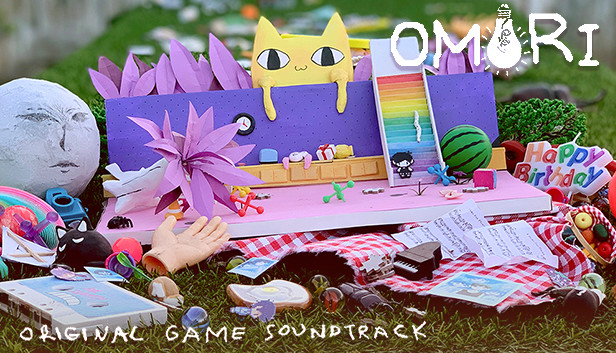
DLCOMORI Soundtrack正在取得全網報價

如果你想依自己的節奏探索多彩遭遇、揭開被遺忘的過去,OMORI 的奇異世界或許適合你。Steam PC 玩家評論中好評占 97%,共 80,085 則,單人形式讓旅程聚焦於你自己的選擇。 Steam 目前報價為 HK$ 89.00。
購買前可以想想這種以故事為主的探索是否符合你的安排;介紹提到,選擇會影響你的命運,也可能影響他人。Steam PC 版列有完整控制器支援,目前報價也提供了明確的比較依據。 Steam PC 版介面語言包括 簡體中文、英語、日語和韓語,並支援完整控制器操作。
正在取得全網報價價格涵蓋 Steam 官方與 39 家授權商店,僅統計正規通路報價。曲線按週呈現近 36 個月的全網低價與 Steam 官方價。
歷史價格以美元記錄,圖中金額按 2026-10-09 歐洲央行匯率換算為 HKD,僅供參考;實際結算金額以商店頁面為準。
探索一個陌生世界,結識色彩繽紛的朋友與敵人,在絢麗與平凡之間穿梭,揭開被遺忘的過去。關鍵時刻所選的道路將決定你的命運,也可能影響他人的命運。 Steam 玩家評論:80,085 則中有 97% 為好評。 Steam PC 版發行日期:2020年12月25日。 介面語言:簡體中文、英語、日語和韓語。
| 語言 | 介面 | 字幕 | 音訊 |
|---|---|---|---|
| 簡體中文 | 是 | 是 | — |
| 英語 | 是 | — | — |
| 日語 | 是 | 是 | — |
| 語言 | 介面 | 字幕 | 音訊 |
|---|---|---|---|
| 韓語 | 是 | 是 | — |
Steam PC 版資訊 · 2026-10-10
Steam PC 版支援英語、簡體中文、繁體中文和西班牙語介面。未列出完整語音支援。
Steam PC 版支援單人遊玩和完整控制器支援。
你將在一個有著多彩朋友與敵人的陌生世界中,穿梭於絢麗與平凡之處,探尋被遺忘的過去。
遊戲介紹提到,你選擇的道路會決定你的命運,也可能決定他人的命運。
列出的系統為 Windows 和 macOS。
“Dream-and-reality dual-space plus emotion-state combat — the emotional-depth ceiling of indie narrative RPGs.”
## Overall
OMORI's industry positioning is the gold-standard reference for indie narrative-RPG success. On the critical side: Metacritic 88 (Generally Favorable), OpenCritic 86 (Mighty tier, 100% critic recommendation), PC Gamer 88, RPGFan 92, Noisy Pixel 90. On the player side: Steam Overwhelmingly Positive with about 96% positive across more than 76,000 reviews; Metacritic user score 9.0. Chinese media tracks the same elevation: Gamersky player consensus 9.0, Gcores 9.5, 3DM strongly positive. The OpenCritic 100% recommendation figure is itself extraordinary — it means every reviewing outlet that covered the game recommended it, which is the rarest possible outcome in the indie RPG category.
The commercial side reads as a textbook indie success. Steam cumulative sales crossed one million units by December 2022 and conservative estimates now place the figure past two million. Steam concurrent peak near 5,000 at the 2020 December launch; daily concurrent long-tail in the 500 to 1,500 range years after release. The 2014 Kickstarter that started the project is itself a legendary case: a small pseudonymous artist studio raised $220,000 against a $22,000 goal — a 10× over-funding result that enabled the six-and-a-half-year polish cycle that the final game shipped with. The DreamHack 2021 Beyond Awards Daringly Dramatic win was the industry-recognition milestone that confirmed the studio's standing.
The buyer profile is straightforward. Narrative-RPG enthusiasts, deep indie players, adult players able to handle psychological themes, players drawn in by Undertale and the Earthbound family — all of them are in the target audience. The pitch — "dual-space dream-and-reality narrative plus emotion-state combat plus a 179-track score plus a multi-ending tree" — is exactly what the post-2020 indie narrative RPG emotional-depth ceiling looks like. The Chinese community's recurring phrase is "a 20-hour game that makes you re-live your own childhood — not a game to play, a game to remember," which captures the unique place OMORI occupies in the Chinese narrative-RPG audience's collective memory.
The non-buyer profile is equally clear. Players who actively avoid depression and trauma themes; players who want fast, snappy combat with immediate feedback; players impatient with slow-paced narrative — all should look elsewhere. OMORI's "heavy psychological subject matter plus slow-tempo turn-based combat plus engine-bound friction" stack is real entry friction. The depression, trauma, self-harm and suicide themes can be genuinely triggering for players with PTSD or anxiety conditions, and OMORI is honest about that. If "I want immediate fun" is your priority, Dead Cells or Hades are the right purchases. If "I want to commit twenty hours to a sustained narrative experience" is your priority, OMORI is the right purchase. Version guidance: the Steam PC build is the preferred entry point (keyboard-and-mouse menu navigation is smoother), with the official original soundtrack DLC optional for the audio enthusiasts. The Switch version, with its accessibility features (skip cutscenes, configurable text speed, optional combat assistance), is the better choice for sensitivity-prone players. Steam discounts run regularly in the 50% to 70% range, with floor prices around 25 RMB. Chinese-speaking buyers don't need to hesitate on language: the day-one official Simplified and Traditional Chinese localisation covers menus, dialogue, story subtitles, boss names, skill descriptions, and item flavour text.
Set the commercial figures and the score sheets aside, and OMORI's lasting contribution is straightforward — it is the indie narrative-RPG emotional-depth ceiling since 2020. OMOCAT's six-and-a-half-year development cycle, the pseudonymous-artist-led design model, the Kickstarter-funded origin, the RPG Maker MV engine extension work — every one of those structural choices reads as a case study in the "single-author or small-team artisanal indie" production mode. The Chinese narrative-RPG community places OMOCAT alongside Toby Fox (Undertale), Robert Yang (experimental indie work), and the Drog / Xelu team as some of the most identifiably personal voices in the indie narrative-RPG category.
OMORI lines up with Undertale and Disco Elysium as the three flagship indie narrative RPGs of the 2014-to-2020 window — Undertale's spare-or-fight choice school, Disco Elysium's thought-cabinet conversation school, OMORI's dream-and-reality dual-space school. Each tradition has its own signature, and OMORI's emotional-depth signature has stood unchallenged in its lane since launch. The composite 8.5 score affirms the design completeness (the dual-space narrative architecture plus emotion-state combat plus the 179-BGM score plus OMOCAT's hand-drawn direction plus the multi-ending tree), the story-system ceiling (9.5 story is the highest dimension), the audio-investment industry benchmark (9.5 audio matches it), and honestly acknowledges the gameplay drag (6.5 gameplay is the lowest dimension), the RPG Maker MV engine ceiling, and the heavy-subject-matter entry friction. It isn't the year's most visually ostentatious game. It is the most emotionally deep indie narrative RPG since 2020, and the cornerstone release of OMOCAT's pseudonymous-artist-led studio model.
此語言中精選的有幫助評論既有推薦也有批評。此篩選不代表整體好評率;評論觀點對應其所評版本。
來源:Steam 玩家原始評論。有幫助票數為存檔快照,並非即時資料。最後收集於:2026/08/14。