資訊
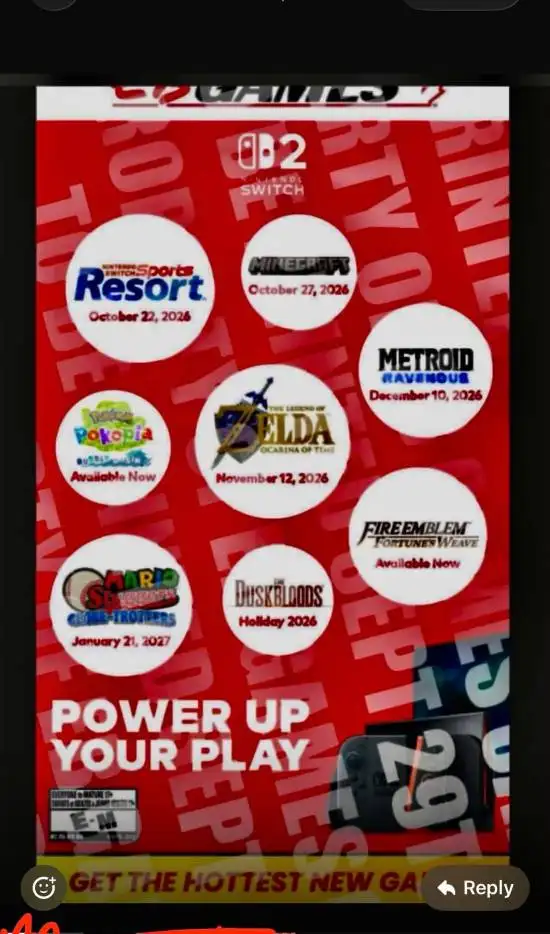
EB Games Leak Reveals Ocarina of Time Remake Release Date
A Reddit user claims an EB Games poster leaked several Switch 2 release dates, though the listing remains unverified. Ni
















Whenever faced with the choice between upgrading my graphics card and optimizing city layout, I always choose the latter without hesitation. Because for strategy players, graphics are just the skin, while decision depth is the skeleton. Having played Civilization and Total War for 3000 hours, I know deeply that frame rates are less important than logic. News of slowing hardware iteration feels more like a clever chess move to me.
Foreign media reports indicate that the pace of hardware development has significantly slowed, entering a mature period. From a system design perspective, modern CPU and GPU performance is already sufficient to support most games. This means device lifespan is significantly extended, and mid-range hardware can easily run modern AAA games. This trend indicates the industry is shifting from a performance race to experience optimization. This shift is like an endgame, where every hardware upgrade comes with a clearer cost.
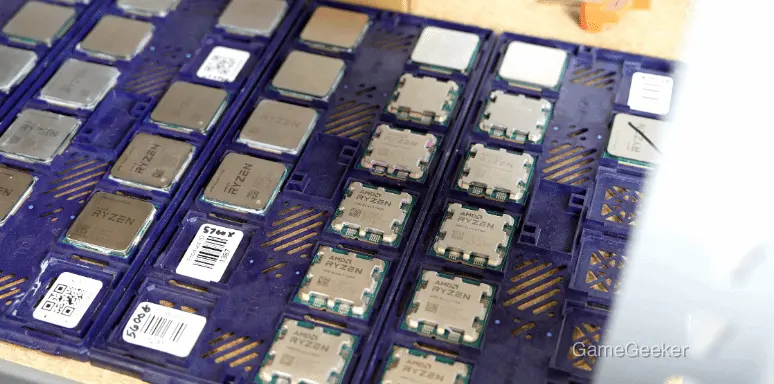
In terms of strategy depth, no longer pursuing ray tracing effects can actually reduce optimization waste. Developers have more time to optimize games, shifting focus to core areas like story and game design. Hardware innovation is shifting towards technical directions like AI upscaling and smart rendering, such as NVIDIA's DLSS. I hope to see more computing power used for logic simulation, rather than simply piling up textures. But the problem is, if developers continue to reskin rather than innovate, the performance surplus is just waste.

For the vast majority of players, the significant extension of existing device lifespan is an absolute benefit. It is recommended that players avoid upgrade anxiety and instead save their budget for games truly worth delving into. After all, hardware is just a tool; works that bring lasting intellectual joy are the key.





留言 0
期待聽到你的聲音
歡迎來到評論區!說說你對這款遊戲的看法,第一個發言說不定有驚喜~
還沒有留言,來搶頭香吧!