
資訊
After flipping through the entire *Funny Image Captions Collection*, I laughed first, then sighed.
The original content consists of multiple humorous images and teasing captions, with no clear news f














The dissemination efficiency of many image-and-text pages actually does not rely on information density, but on visual stimulation and a short comment that can be retold repeatedly. This set of Image-Based Roast Content Summary is a fairly typical example of that category.

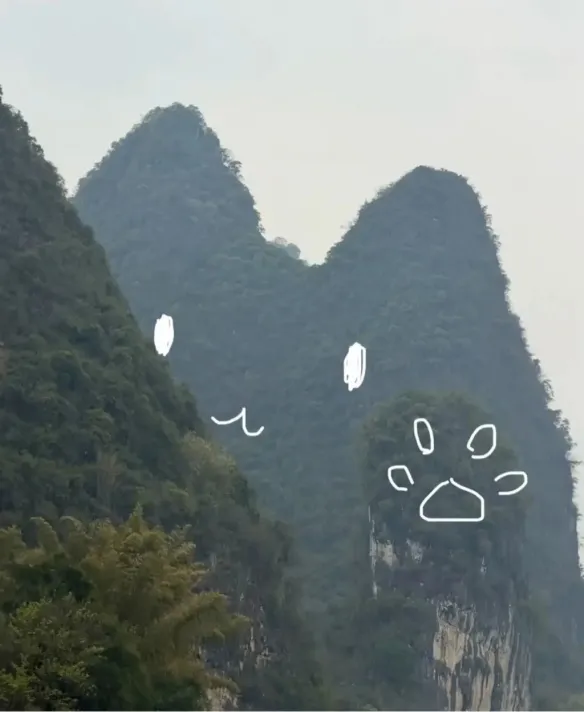
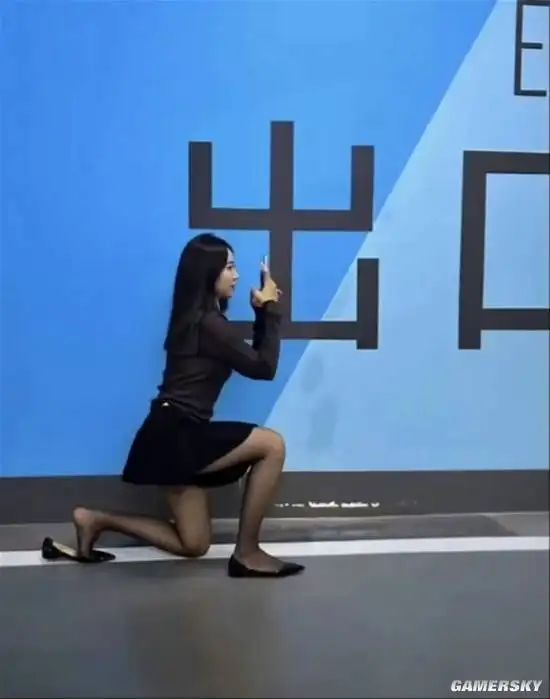
Let’s first look at the verifiable facts. The original post contains 3 images in total, the page supports pagination, and the current page still shows the text “1 2 3 4 5 6 7 8 9 10 11 Next Page,” along with a prompt indicating that the keyboard left and right arrow keys can be used to turn pages. In other words, this looks more like a single-page slice from a set of continuously browsed content, rather than a standalone news item with complete information.
From the content structure, what it provides are images paired with snarky remarks, rather than event background that can be verified. Who the person is, where the image was taken, and what event it corresponds to are all left unspecified in the original text. Objectively speaking, the dissemination logic of this kind of content is very similar to early forum album pages: first use the image to attract clicks, then use an emotionally charged one-liner to create a memorable point, but the information loop itself is incomplete.

The few lines of text visible in the article mainly serve to “explain the image” and “guide associations.” For example, “Once you accept this setting,” essentially gives readers a viewing framework, allowing an originally jarring image to generate a second layer of interpretation. Another line, “The account behind the scenes may not necessarily belong to some girl; it could also be a creepy old man,” clearly leans toward an internet-joke style of judgment, emphasizing contrast and mockery rather than providing any new facts.
From a design perspective, this kind of content resembles an experimental page for a second-generation product: it enables browsing and sharing, but does not establish a credible layer of information. It is suitable for light reading, but not suitable as a news source. Especially when the original text contains wording with obvious offensive undertones, readers need even more to separate “emotional output” from “factual information.”

If compared with similar internet image-and-text content, its strengths are its low barrier to entry, fast pace, and low burden when flipping through pages; its weaknesses are also obvious: it lacks time, place, people, and an event chain, making further verification almost impossible. The advice for ordinary readers is also very simple: pages like this can be browsed as lightweight entertainment content, but it is not advisable to draw conclusions from them, let alone repeat them directly as “news.”
Similar content has always had a market in player communities because it is low-cost, fast-feedback, and highly interactive. But by media standards, if there are only images and snarky remarks, with no background or source, the informational value usually stops at “seen it once.” The cost-performance ratio is not high: it may generate buzz, but its staying power is limited.



留言 0
期待聽到你的聲音
歡迎來到評論區!說說你對這款遊戲的看法,第一個發言說不定有驚喜~
還沒有留言,來搶頭香吧!