

DLCDivinity: Original Sin Enhanced Edition - Official SoundtrackHK$ 28.00→價格來源: Steam
“If you love calculating every turn and watching each choice leave a mark, set aside a few long weekends and dig in.”
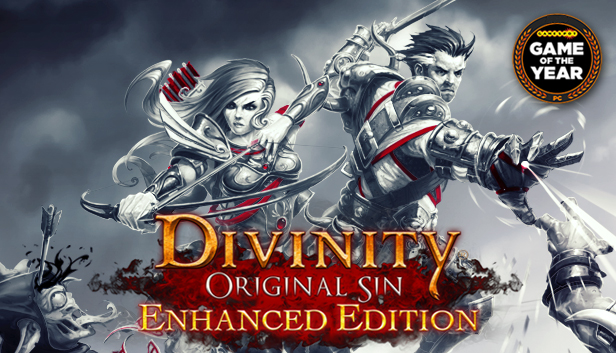
If you had to sum up Divinity: Original Sin Enhanced Edition in a single line, it would be this: the one that stuffed a tabletop campaign into a video game, and somehow fit it onto a console smoothly. That compression is the whole story of this release, and it is the reason the package earns an 8.5 overall.
The two sections below pull the threads together — first the verdict on systems and content that carry the experience, then the question of who this game is actually for and how it stacks against its nearest rival.
On the gameplay front, this edition preserves the original's design philosophy of near-tabletop rule complexity, making environmental interaction, elemental chains, and multi-solution quests the base color of everything you do. The Enhanced Edition's most important contribution is that it lowered the barrier to entry through controller optimization without sacrificing any of that system depth, carrying a game that could easily have lived only inside a hardcore PC niche out onto a far wider sofa. You still have to invest time to understand the rules, but at least you are no longer being dragged around by the interface.
On content, it stands at the high end of the traditional RPG spectrum: abundant quests, abundant side stories, abundant build and party options, and consequences that get written into the world's history. In theory that supports multiple playthroughs and long-term tinkering, and in practice it routinely turns dozens of hours into hundreds. The graphics and sound sit firmly at the "necessary and reliable" tier — not a technical monster, not a soundtrack for the ages, but more than enough to give that intricate system a clear, dependable stage to perform on.
The story's traditional shape and its modest main-thread tension are the reasons it cannot quite vault into the "changed the industry" bracket. Instead it reads as a finely made product aimed at a specific audience. Players who love high-complexity systems and relish calculated combat and weighed decisions will find dozens or even hundreds of hours of joy inside it. Players who prefer linear narrative or lighter play may well fall off during the rules-explanation phase.
So is it worth pouring many hours into? If everything described above makes your brain whisper "that sounds exhausting," then there is no need to force it; the genre itself was never built for everyone. But if the keywords — environmental-interaction turn-based combat, multi-solution quests, heavy role-play — light you up, then this game absolutely deserves a few long weekends set aside specifically to sit down and grapple with it. That density, where every turn is a calculation and every choice leaves a mark, makes the hours vanish.
The clearest way to place it is against its main rival, Dragon Age: Origins. Both sit at the same table of high-freedom, high-complexity RPGs, but that peer leans on narrative buildup and cinematic pacing, keeping the pleasure of playing the system and stirring up trouble in the background. Divinity does the opposite: it pushes the scheming, the elemental experiments, and the consequence-rich quests to the very front of the stage. The rival wins on story-first players; this one wins, decisively, on anyone who would rather author a plan than watch one.
For the calculating RPG player, missing a run with this one would genuinely be a shame.
留言 0
期待聽到你的聲音
歡迎來到評論區!說說你對這款遊戲的看法,第一個發言說不定有驚喜~
還沒有留言,來發表第一則吧!