Comprehensive Influence Ranking of 12 Action Visual Novel-Style Games
Ausgewählt von Delta 赵 · ·listDetail.views: 2,952 Kommentare
If “visual novels” are understood as works with high text density, strong character relationships, chapter-based progression, and performance-driven experiences, then quite a few action games actually crossed that line long ago. They are not traditional point-and-click text-reading experiences; instead, they weave combat, exploration, camera direction, and branching dialogue into their narrative structure, creating a modern form of “reading while fighting.” This list is ranked by overall influence, focusing on which titles truly made visual novel-style narrative progression part of the action experience itself, rather than simply having lots of cutscenes or a strong cinematic feel.
If we understand "visual novels" as having high text density, strong character relationships, chapter-based progression, and performance-driven experiences, then quite a few action games actually crossed that line long ago. They are not traditional point-and-click text readers; instead, they stitch combat, exploration, camera direction, and branching dialogue into the narrative structure, forming a modern style of "reading while fighting." This list is ranked by overall influence, focusing on which titles truly made visual-novel-style narrative progression part of the action experience itself, rather than simply having lots of cutscenes or a strong cinematic feel.
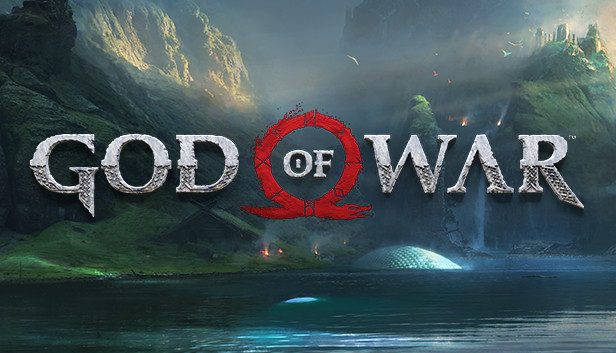
Image: God of War
Tags: Cinematic narrative, character relationships, chapter progression
God of War is the industry benchmark for the visual-novelization of action games. Its greatest strength is not just the scale of its presentation, but how completely it embeds the continuous one-shot camera, the father-son relationship, and linear chapter progression into combat and traversal. Players almost never feel a clear break between "watching the story" and "playing a level"; the text, performances, and system pacing remain aligned throughout. This level of narrative integration directly reshaped the production standard for later games of its kind.
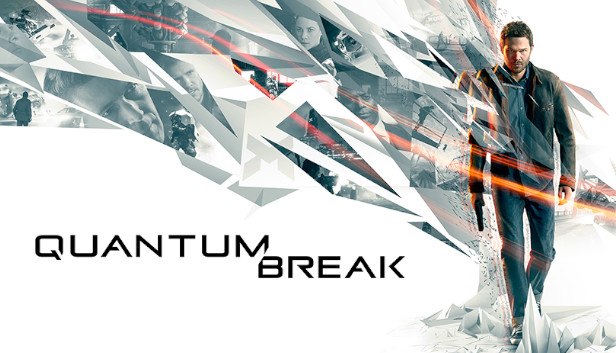
Image: Quantum Break
Tags: Live-action series, branching choices, third-person shooting
Quantum Break is the most direct and industrialized model of "action game visual-novelization." It tightly binds together a live-action series, branching decisions, and third-person shooting, with the player's key choices feeding back into how later episodes are presented. In terms of pure action depth, it is not among the very best, but when it comes to "how an action game can drive the experience through chapters and choices like a visual novel," its distinctiveness remains unmatched.
Image: Senua’s Saga: Hellblade II
Tags: Immersive narrative, psychological performance, linear experience
Senua’s Saga: Hellblade II fuses action, camera work, sound design, and psychological storytelling into a single whole, coming close to the boundary of an "interactive cinematic novel." Its combat does not aim for broad systemic depth, instead serving emotion and subjective sensation; its levels feel more like narrative corridors than gameplay mazes. The main controversy is its relatively low interaction density, but precisely because of that, it pushes visual-novel-style immersive progression to the limit of contemporary linear action games.
Image: DEATH STRANDING DIRECTOR'S CUT
Tags: Auteur storytelling, high-density cutscenes, character building
What makes DEATH STRANDING so special is how it wraps an inherently counterintuitive delivery loop inside an intensely auteur-driven narrative container. Its high-density cutscenes, character monologues, worldbuilding text, and chapter structure give it a reading experience close to that of a visual novel; yet these elements are not separate from the gameplay, but continuously feed back into route planning, network connection, and equipment choices. It proves that even if the core loop of an action-adventure game is restrained, textual charm alone can sustain enormous player engagement.
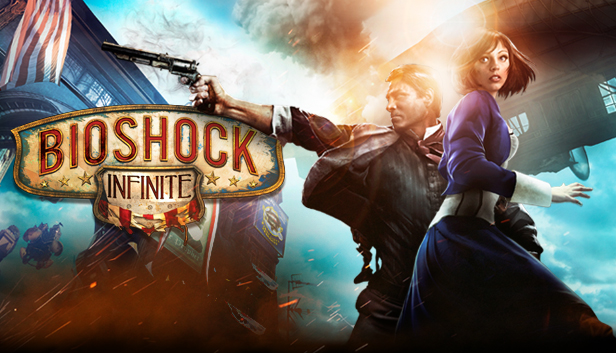
Image: BioShock Infinite: The Complete Edition
Tags: Auteur expression, character relationships, linear narrative
BioShock Infinite is fundamentally an FPS, but its influence long ago extended beyond the shooter genre. The progression of Booker and Elizabeth's relationship, its strong auteur expression, and its continuously forward-moving linear storytelling have made it a longstanding representative of interactive cinematic games. Unlike traditional visual novels, it does not rely heavily on branching paths, instead creating a powerful feeling of "reading the story" through continuous staging and character interaction. Its influence on later narrative-driven action games runs deep.
Image: Marvel's Guardians of the Galaxy
Tags: Teammate dialogue, branching banter, character-driven
What Marvel's Guardians of the Galaxy does best is not its shooting feel, but its extremely high-frequency teammate interactions and character-driven storytelling. The abundance of dialogue, jokes, and branching choices throughout the campaign keeps players constantly in a state of "listening to characters talk, watching relationships change, and then responding," an experience very close to the pleasure of reading characters in a visual novel. Its value lies in proving that textual charm and team chemistry can absolutely be the main course of an action game rather than just seasoning.
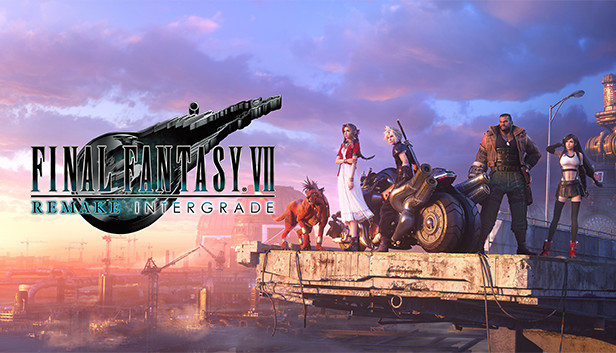
Image: FINAL FANTASY VII REMAKE INTERGRADE
Tags: Japanese-style drama, chapter structure, character interaction
FINAL FANTASY VII REMAKE brings the strengths of Japanese-style visual storytelling to a very mature level: abundant cutscenes, character mini-scenes, chapter-based progression, and emotional buildup all serve character development. Its action combat system has clear strategic layering, but what truly keeps players invested is the sense of anticipation created by the dense interactions among Cloud and his companions. Strictly speaking, it leans more toward action RPG, but in terms of "fighting while following the story," its execution is exceptionally complete.
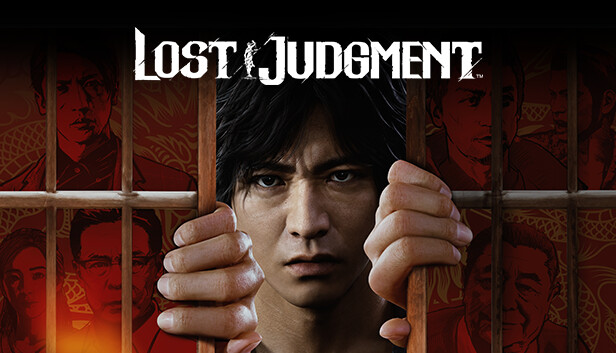
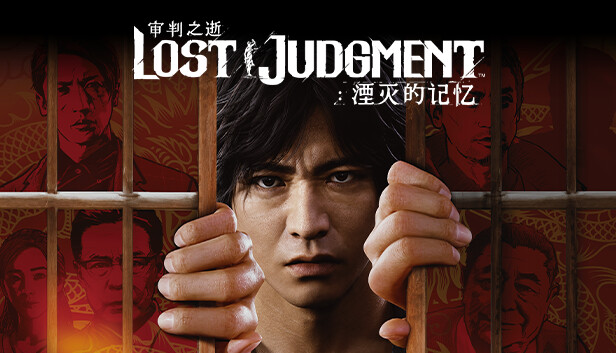
Image: Lost Judgment: Memory of Oblivion
Tags: Detective narrative, story text, chapter investigation
Lost Judgment is highly distinctive on the action-detective front. It does not rely on presentation alone to overwhelm the player, but builds a suspenseful reading experience through large amounts of dialogue, character relationships, investigation segments, and chapter progression, with combat serving more like explosive peaks between story beats. Compared with purely cinematic action games, it has a stronger "visual novel flavor," because players are genuinely processing information, comparing clues, and following the text to understand the structure of the case.
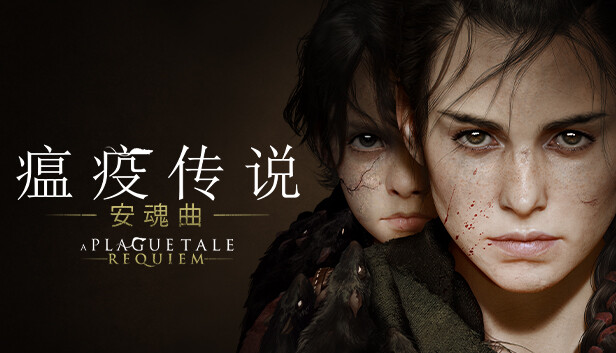
Image: A Plague Tale: Requiem
Tags: Emotional oppression, linear chapters, narrative-driven
A Plague Tale: Requiem does not stand out because of complex combat; it is more like a playable dark coming-of-age novel. Stealth, sling use, and resource management all serve emotional impact rather than pure mechanical showmanship; chapter progression, character relationships, and oppressive atmosphere steadily accumulate, creating a strong drive to "keep following the story." Its value in the visual-novelization of action games lies in proving that weaker action and stronger storytelling can still create highly intense immersion.
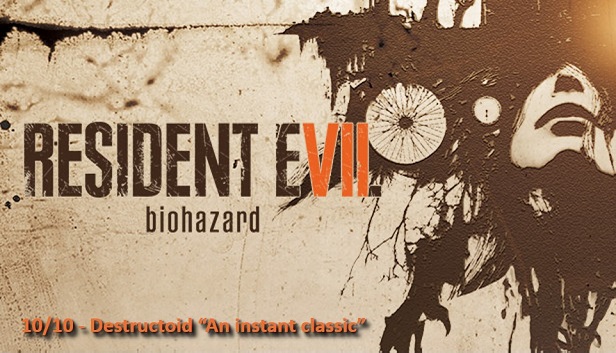
Image: Resident Evil 7 Biohazard
Tags: First-person, horror narrative, linear immersion
Resident Evil 7 marks a crucial shift in the series' mode of narrative expression. Its first-person perspective nails players directly into the horror scene, with exploration, puzzle-solving, and combat all incorporated into a highly linear chain of horror storytelling. It does not feature the heavy textual exposition of a typical visual novel, but it is extremely strong at "using subjective experience to drive story absorption," making it a classic example of turning immersive presentation into a reading-like narrative experience.
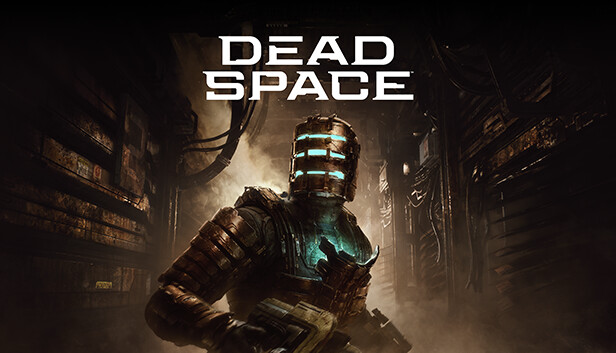
Image: Dead Space
Tags: Sci-fi horror, audiovisual integration, continuous presentation
The significance of the Dead Space remake is not just that it makes an old classic look better, but that it strengthens narrative continuity through modernized audiovisual design and smoother flow. Combat, dismemberment mechanics, and resource pressure remain solid, but the most obvious improvement lies in environmental storytelling, character expression, and presentation coherence. It shows that contemporary action-horror games are moving closer to a stronger form of "playable narrative text," though its degree of visual-novelization is still slightly weaker than in more text-heavy works.
Image: Persona® 5 Strikers
Tags: Fan-oriented adaptation, dialogue-driven, chapter adventure
Persona® 5 Strikers is a rare action adaptation of a JRPG that does not lose the charm of its text. It retains a large amount of dialogue, character interaction, and chapter-based progression, continuing to emphasize the ensemble relationships among the Phantom Thieves, and feels very much like a faster-paced spin-off visual novel. The issue is that its influence is built more heavily on the foundation of the original work, but as a model of a "fan-oriented action visual novel," it is still quite successful.
The key to games like these is not how many cutscenes they have, but whether the narrative truly enters the operational layer. God of War and Quantum Break defined the industry model; Hellblade II and DEATH STRANDING pushed immersion and auteur expression to the extreme; and the other titles offer different answers through horror, detective storytelling, Japanese-style ensemble drama, and more. If you are looking for an experience that "lets you fight while also feeling like you're following a strong story-driven work," these 12 games are basically the most representative examples available right now.
 Kinguin€3.05-92%Steam €3.05Preis ansehen →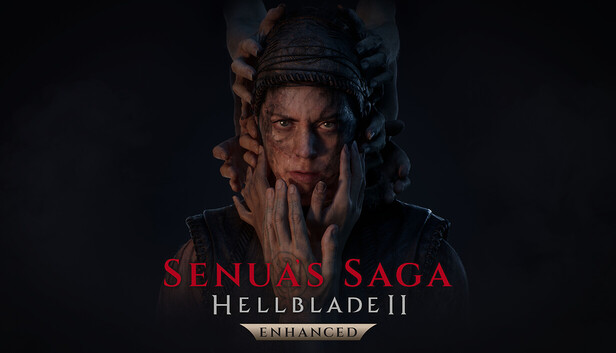
 K4G€12.71-75%Steam €12.71Preis ansehen →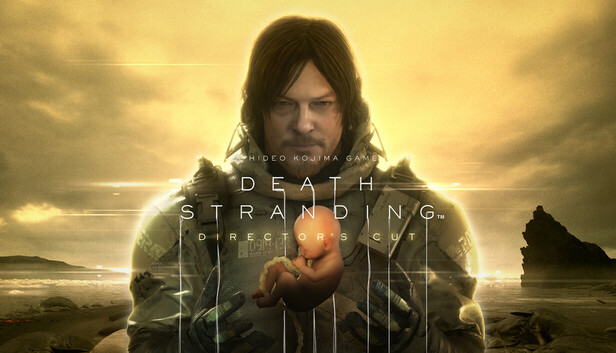

 Eneba€0.88Steam €0.88Preis ansehen →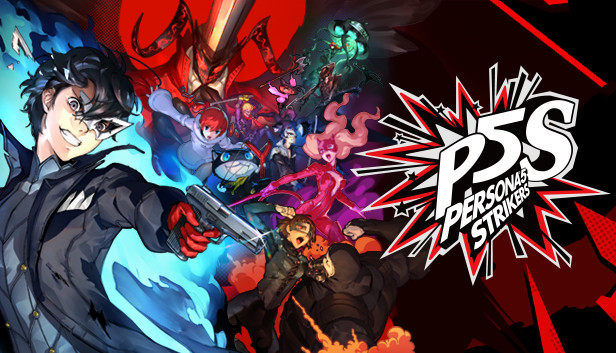





Kommentare 0
Wir freuen uns auf deine Meinung
Beteilige dich an der Diskussion und teile deine Bewertung des Spiels.
Noch keine Kommentare. Teile deine Bewertung.