First strategy game? Plants vs. Zombies is the perfect start
Ausgewählt von Delta 赵 · ·listDetail.views: 2,982 Kommentare
Strategy games aren't as intimidating as you think. Whether you're planting sunflowers in your backyard or commanding medieval armies, playing a few hands of poker or planning an entire city, this list is sorted by "can a newcomer survive the tutorial." Plants vs. Zombies teaches resource allocation with a single peashooter, Balatro shows you combo-building at the card table, and Age of Empires 2's campaign mode walks you through real-time strategy step by step. No need to worry about getting overwhelmed by complex systems—these games share three things: clear tutorials, low cost of failure, and communities that welcome beginners. From casual tower defense to hardcore grand strategy, there's something here that matches your pace.
Strategy games aren't as intimidating as you think. From planting sunflowers in your backyard to commanding medieval armies, from poker hands to city planning, this list ranks by "can a newcomer survive the tutorial." Plants vs. Zombies uses a single peashooter to teach resource allocation, Balatro makes you understand combo building at the card table, and Age of Empires II's campaign holds your hand through real-time strategy basics. No need to fear complex systems—these games share clear tutorials, low trial-and-error costs, and communities willing to help newcomers. From casual tower defense to hardcore grand strategy, find the one that matches your pace.
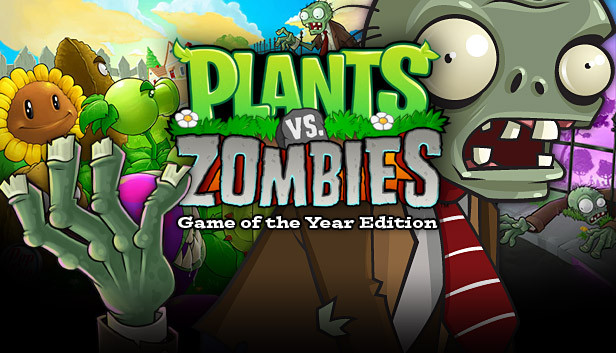
Image: Plants vs. Zombies Game of the Year Edition
Tags: Strategy, 2, 22, 41, 42
The definitive strategy game primer. Five basic plants explain resource loops, damage output, and formation building—sunflowers teach economy, peashooters teach offense, wall-nuts teach layered defense. Level design is textbook: front lawn daytime familiarizes you with basics, backyard night introduces mushrooms' cost differentials, pool levels force you to rethink six-lane layouts. Zombie variety escalates perfectly—pole vaulters appear right when you grasp backline vulnerability. Adventure mode's 50 levels build strategic thinking, while minigames and survival modes extract completely different depth from the same systems.
Image: Joker
Tags: Casual, Indie, Strategy, 2, 22
Poker hands meet roguelike deckbuilding in a genius combination. Scoring with full houses and flushes is just the start—real strategy lies in using joker cards to warp rules: turn 2s into aces, make clubs score extra, trigger combos from discards. Each run takes 15 minutes, instant restart on failure, minimal trial cost. No card counting or probability math required—the game displays each hand's score clearly. From "score 800 with a full house" to "build an engine that hits millions," this learning curve beats any tutorial.
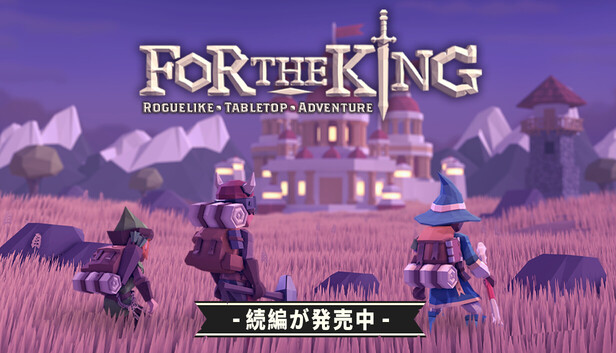
Image: For The King / For The King
Tags: Adventure, Indie, RPG, Strategy, 2
Tabletop rules meet roguelike randomness—dice decide everything but strategy mitigates risk. Hex-grid exploration feels like tabletop RPG sessions, combat uses dice rolls modified by gear and skills, teaching optimal decisions under uncertainty. Three-character party composition matters: warriors tank, hunters control, scholars support—team thinking resembles XCOM but lighter. Turn-based pacing allows thinking while acting, failed runs restart in 30 minutes, lower trial cost than traditional roguelikes. Co-op mode adds social dynamics to strategy gaming—debating "should we risk this roll" with friends beats solo play.
Image: Civilization 5
Tags: Strategy, 2, 1, 22, 29
The gold standard for turn-based strategy, originator of "one more turn" syndrome. Hexagonal tiles make tactical positioning intuitive, social policy trees provide clear civilization development paths, diverse victory conditions let you conquer through cultural output. Newcomer-friendly because every decision allows ample thinking time, UI clearly marks each button's consequences, failures immediately reveal which step went wrong. Complete edition with all DLC offers staggering content—Stone Age to space race, 300 hours is just the beginning. Community mods and custom maps extend replay value infinitely.
Image: Age of Empires 2: Definitive Edition
Tags: Strategy, 2, 1, 49, 36
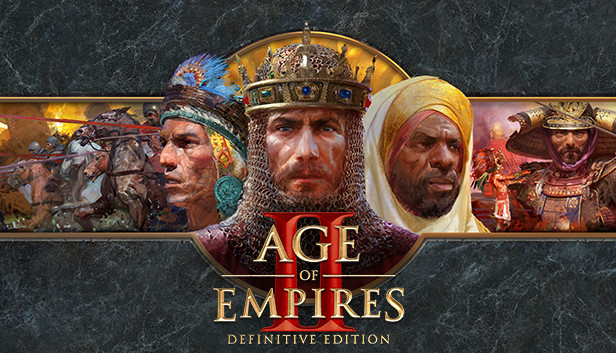
Twenty-year classic in 4K remaster, but the core remains that "gather wood-advance to Castle Age-mass units-push" real-time strategy loop. Campaign mode is the best tutorial: William Wallace missions gradually unlock buildings and units, letting you naturally master economic balance and unit counters through historical narrative. Compared to other RTS games, Age II's pacing is more relaxed—early development allows thinking time, slow APM won't get you crushed. Civilization tree runs deep but not complex, each nation's unique units are intuitively understandable. Most importantly, the community is mature—search Bilibili for countless "newcomer crash course" guides.
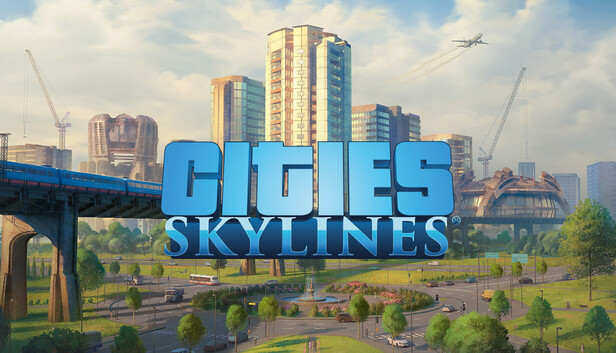
Image: City: Skylines
Tags: Simulation, Strategy, 2, 22, 29
The most newcomer-friendly city builder. Unlike old SimCity's constant bankruptcies, Skylines offers much higher error tolerance—traffic jammed? Demolish some roads and replant. Core gameplay is zoning districts, connecting utilities, building road networks—tutorials teach city survival, then it's all about your vision. Most satisfying is watching a small town grow into a metropolis, subway networks spreading, skylines rising from houses to skyscrapers. MOD community is extremely active—realistic buildings, vehicles, policy systems all available. Strategic depth hides in traffic planning and district specialization, but you can explore gradually without one decision causing game over.
Image: XCOM 2
Tags: Strategy, 2, 22, 29, 30
Textbook turn-based tactics. The game builds clear tactical language through "cover-flanking-high ground" fundamentals, every decision shows immediate consequences. Early game you'll die from greed, mid-game you learn grenade-breaking followed by sniper cleanup, late-game you plan four-soldier squad compositions. Campaign layer's base building and tech tree are simplified just right, won't distract from combat itself. Failed? No problem, turn off ironman and restart—this game's greatest pleasure is learning optimal solutions from failure.
Image: Command & Conquer™: Remastered Collection
Tags: Strategy, 2, 1, 49, 36
Living fossil RTS textbook. Tiberium and Red Alert dual campaigns let you experience RTS evolution from birth to maturity: the former teaches base building and unit counter fundamentals, the latter uses superweapons and special units to demonstrate strategic depth. 4K remaster preserves original fast pace—no complex economic chains, harvesters auto-run, you just focus on unit production and micro. Most importantly, you can directly see "why StarCraft designed this way" historical context, suitable for players wanting to understand RTS DNA from the source.
Image: Age of Mythology: Extended Edition
Tags: Simulation, Strategy, 2, 1, 9
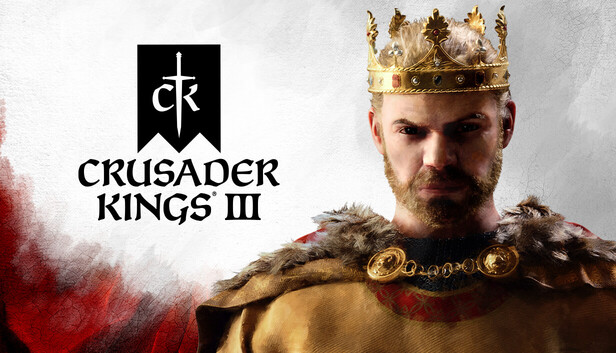
The least "game-like" grand strategy—you're not playing chess, you're roleplaying a medieval lord with emotions. When the Pope demands divorce you must weigh consequences, when your heir is an idiot you must arrange "accidental death," marriage works better than war. Newcomer-friendly because it allows mistakes: lost kingdoms can be rebuilt from count rank, inbred heirs with deformities don't end the game. Tutorials teach basic operations, but real fun lies in emergent stories—like your carefully groomed heir dying to a bear at his coming-of-age ceremony. Suits strategy players who prefer narrative over numbers.
Image: Crusader Kings 3
Tags: RPG, Simulation, Strategy, 2, 1
The least "game-like" grand strategy—you're not playing chess, you're roleplaying a medieval lord with emotions. When the Pope demands divorce you must weigh consequences, when your heir is an idiot you must arrange "accidental death," marriage works better than war. Newcomer-friendly because it allows mistakes: lost kingdoms can be rebuilt from count rank, inbred heirs with deformities don't end the game. Tutorials teach basic operations, but real fun lies in emergent stories—like your carefully groomed heir dying to a bear at his coming-of-age ceremony. Suits strategy players who prefer narrative over numbers.
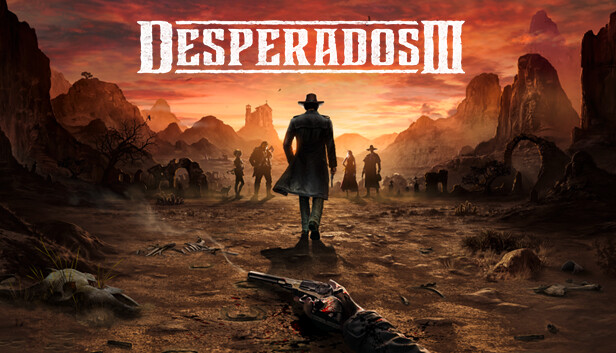
Image: Desperate Gunman III
Tags: Strategy, 2, 22, 29, 23
Textbook real-time tactical stealth. Five protagonists with complementary abilities—sniper to trap specialist each has purpose, level design forces repeated trial-and-error to find optimal solutions. Pause-planning plus real-time execution "Showdown Mode" is the core highlight, lets you choreograph chain kills like a director. Difficulty curve is steep but fair, each level is a carefully designed puzzle, post-completion replay reveals your progress. More puzzle game than traditional RTS, suits players who enjoy drilling mechanics and pursuing perfect ratings.
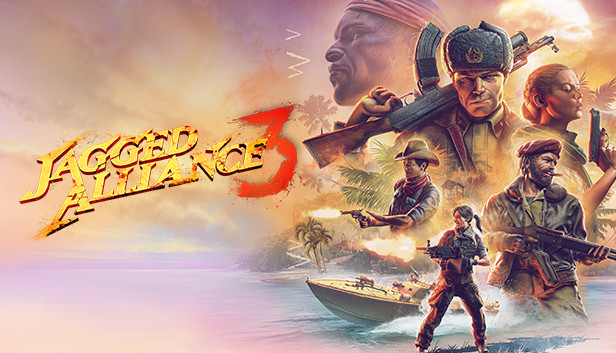
Image: Jagged Alliance 3
Tags: Action, Strategy, 2, 1, 9
Turn-based tactics meets real-time gunfights—you must first recruit mercenaries on the strategic layer, manage equipment and finances, then command squads to capture strongholds on the tactical layer. Each mercenary has unique personality and skill trees, will banter or refuse cooperation during missions. Map design is extremely vertical—climb rooftops for sniper positions, blast through walls for raids, cut power to create chaos. Newcomer-friendly because early campaign has clear objective guidance, failures can restart without losing core progress, community has detailed mercenary composition and tactical guides. More freedom than XCOM, more focused on squad tactics than Total War.
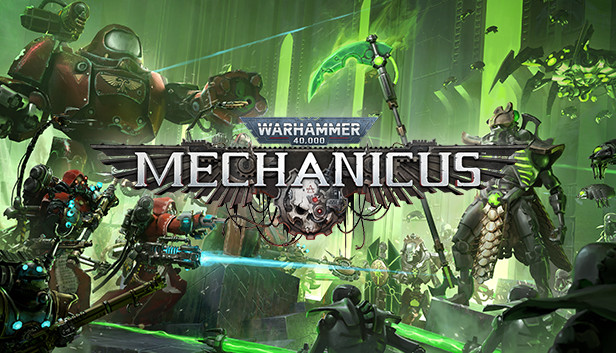
Image: Warhammer 40K: Adeptus Mechanicus
Tags: Strategy, 2, 22, 29, 23
Turn-based tactics in the Warhammer 40K universe, core is the "modify your tech-priests" progression system. Each mission requires choices while exploring temple ruins: grab one more relic or conserve action points? Which priest gets new cybernetics? Resource management pressure exceeds XCOM, but error tolerance is higher—dead characters can resurrect at the cost of rare resources. Combat pacing is slow but strategic depth sufficient, suits players who enjoy character progression plus tactical gameplay. Mechanicus's cyberpunk aesthetic and eerie soundtrack are worth the price alone.
Image: Among the Stars
Tags: Simulation, Strategy, 2, 1, 27
Paradox grand strategy in space, but more newcomer-friendly than Crusader Kings III's medieval politics or Warhammer 40K's dogmatic worldview—you can customize species traits, play peaceful trade federation or genocidal swarm. Early-game star system exploration has comfortable pacing, tech tree is intuitive, warfare automation is high without fleet micro. Most importantly pause-and-plan anytime, no APM requirements like Age of Empires II, no lethal-every-step pressure like XCOM 2. Community mods can smooth difficulty curves further, Steam Workshop has tons of "newcomer-friendly" tagged content packs.
Image: Terrain Shaping
Tags: Casual, Indie, Simulation, Strategy, 2
City building distilled into pure spatial puzzles—no budget management, no population monitoring, just figuring out "which building on this terrain triggers combos." Each session takes 10 minutes, randomly generated maps, you must find chain reactions between buildings in limited tiles (like farm + windmill + river triggering special bonuses). Weekly challenges force you out of comfort zones to try new combinations, multiplayer lets you see how others solve the same map. Suits players wanting strategic thinking without complex system overload, tutorial takes three sessions to grasp, but mastering all building combinations takes dozens of hours.
 EA Store¥498Steam ¥498Preis ansehen →
 Eneba¥977Steam ¥977Preis ansehen →
 Kinguin¥181-95%Steam ¥181Preis ansehen →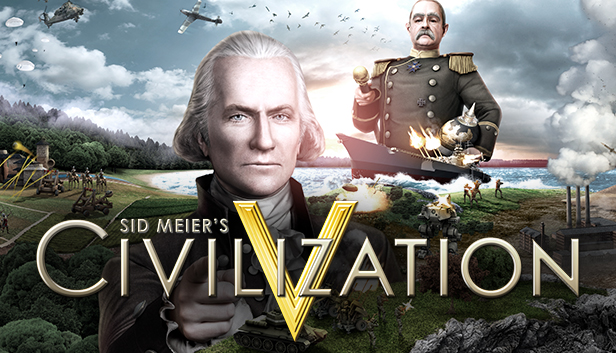

 GAMIVO¥1,181Steam ¥1,181Preis ansehen →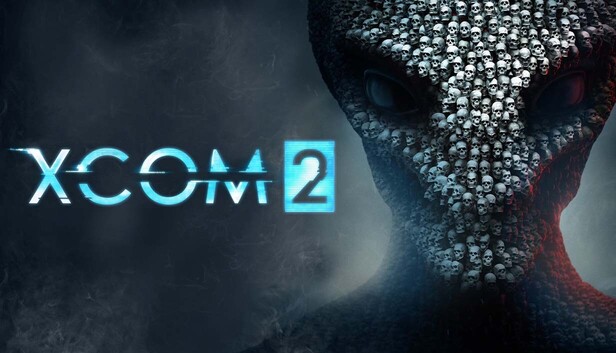
 GreenManGaming¥402-87%Steam ¥402Preis ansehen →
 Epic Game Store¥725-75%Steam ¥725Preis ansehen →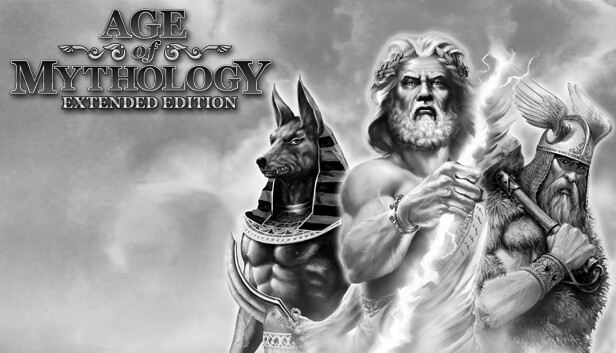
 K4G¥204-96%Steam ¥204Preis ansehen →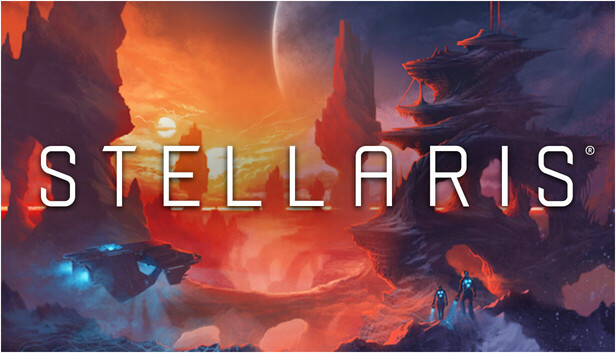
 GOG¥1,364-70%Steam ¥1,364Preis ansehen →




Kommentare 0
Wir freuen uns auf deine Meinung
Beteilige dich an der Diskussion und teile deine Bewertung des Spiels.
Noch keine Kommentare. Teile deine Bewertung.