Abo-Vorteil · PS4Far Cry 4 · PS Plus~ €0.00→über PlayStation Store
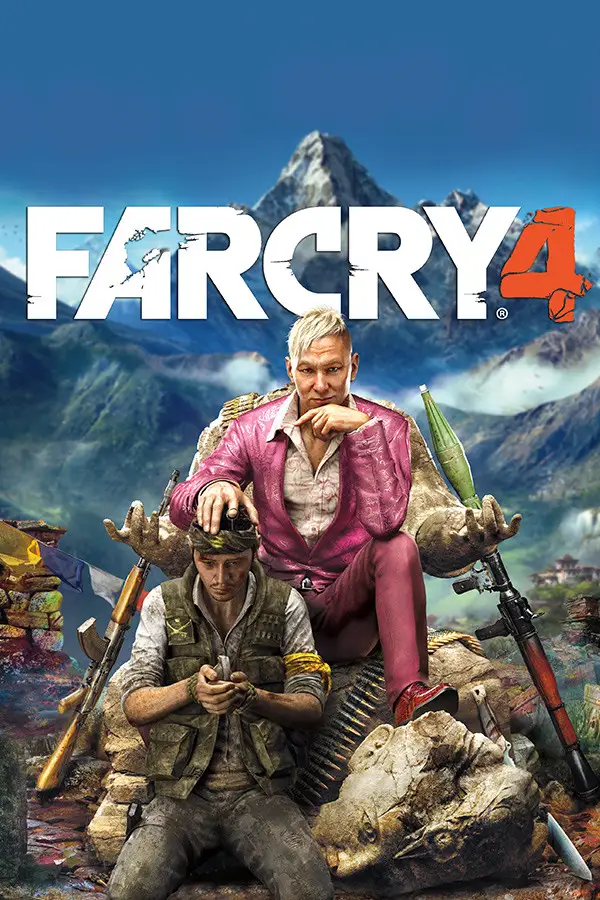
“An open-world shooter that turns the Himalayas into a vertical battlefield where one outpost plays ten different ways”
Set it back in its 2014 coordinates and the brief is clear: this was never here to start a revolution, it was here to sharpen the previous game's winning formula to a point. Outposts, towers, the skill tree, skinning to upgrade, brewing syringes — the whole loop survives almost intact, but Kyrat's vertical terrain, the grapple-and-wingsuit mobility, the livelier villain and the deeper systems make the old recipe taste good for another round. It took Best Shooter at that year's Game Awards, the score took the BAFTA for Music, and the series had cleared ten million copies by March 2020 — the fastest, most successful launch the franchise had managed.
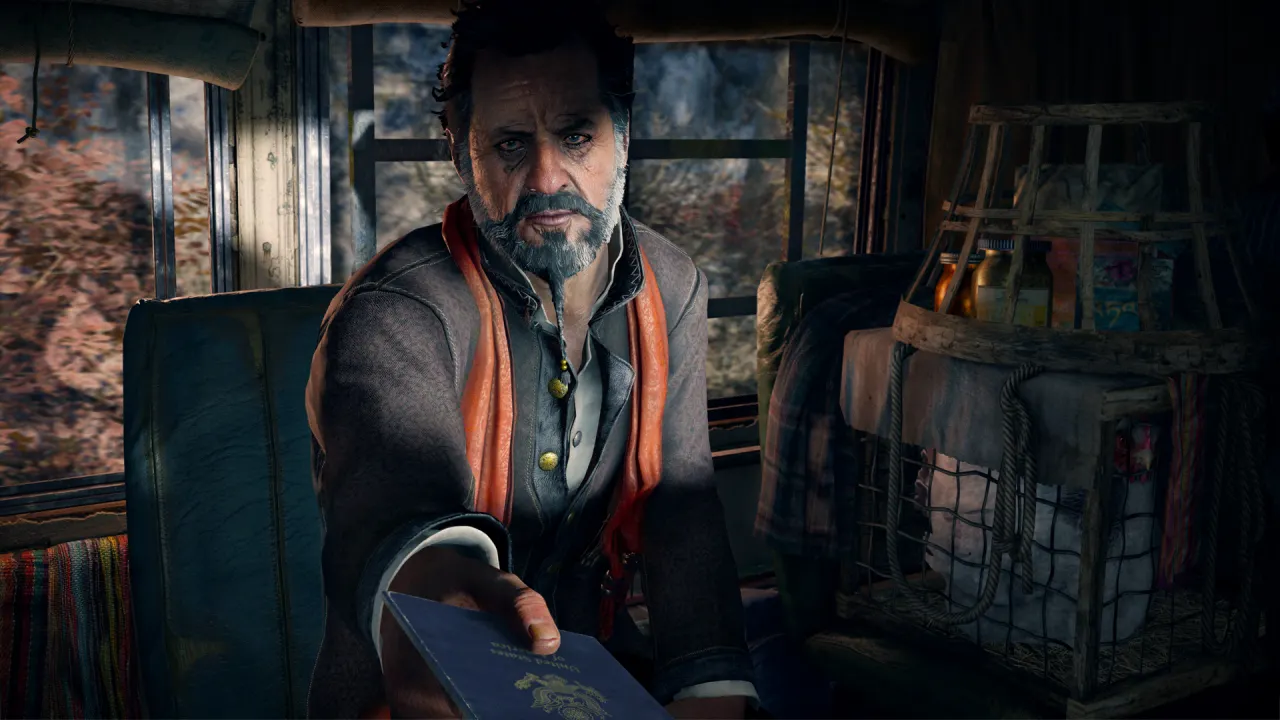
It stands on the objective record too: Metacritic 80, an OpenCritic 84 in the 'Mighty' tier, an 87.6 percent critic recommendation, 84 percent positive on Steam. The numbers point to one verdict — a high-craft, freedom-rich, vividly realised open-world shooter where the praise was near-unanimous and the argument lived only in two places: the story, and the question of whether it was new enough. Even the dissenters, GameSpot's seven among them, were arguing about familiarity rather than competence; nobody seriously claimed the thing was poorly built.
The clearest fit is the player who lives for free-form tactics, stealth and exploration, the one happy to work out their own method and play to a personal style. If the rush of "one outpost, ten ways in" is your thing — if you love climbing and flanking across a vertical mountain country — Kyrat will keep you for a long time. It is an excellent series entry point, too: mature systems, a gentle on-ramp, a fine doorway into the genre. On versions, newcomers are best served by the complete edition with all the DLC folded in; the base game alone carries dozens of hours, Escape from Durgesh Prison earns a look, and Valley of the Yetis you can take or leave.
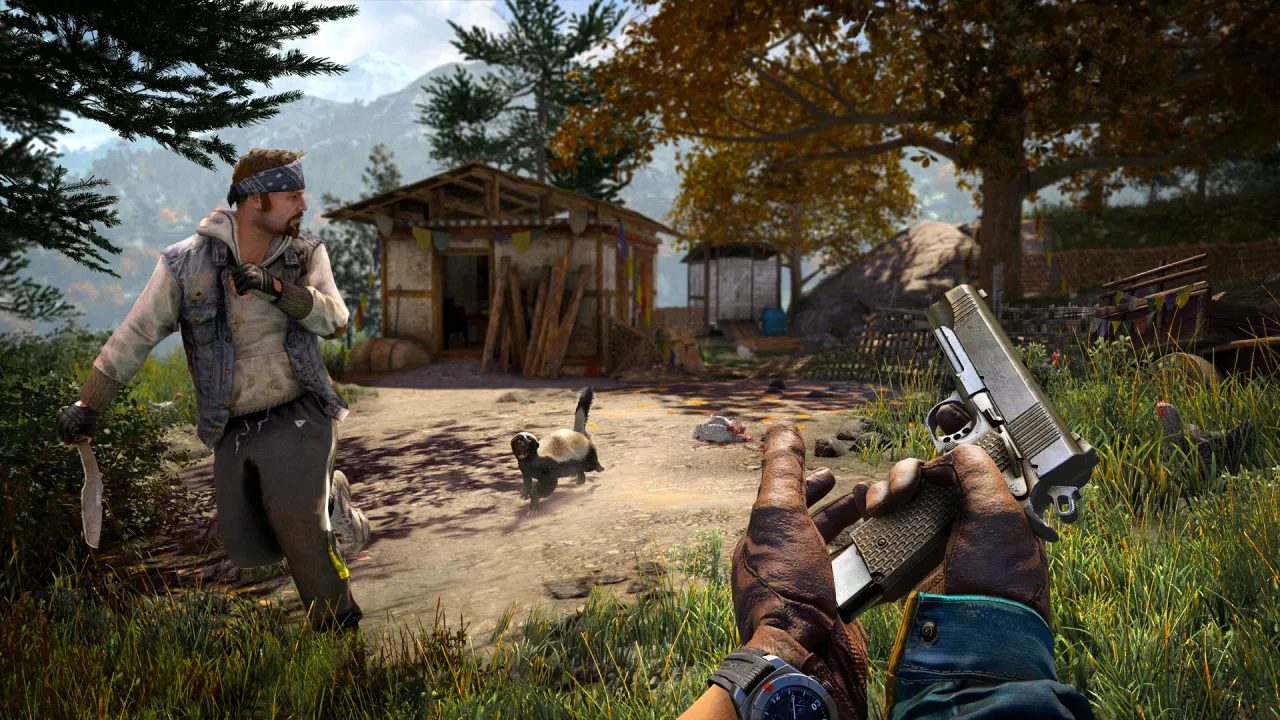
Walk past it, though, if story and protagonist sit at the top of your list — passive, flat Ajay will lose you — or if you have wrung the last game dry and the seize-tower-clear-outpost loop already exhausts you; the freshness drops a notch first. What stays hardest to copy is exactly that: a Himalaya whose vertical terrain becomes a free-form tactical puzzle, one outpost that plays ten ways, a thing rivals still struggle to lift wholesale even now. Time has been kind to it, oddly — while countless open worlds slid into icon-clearing fatigue, Kyrat's solve-it-yourself core held, and it reads as durable rather than dated. The complaint that it cribbed too much from its predecessor has aged into a compliment: it kept the parts that worked and trusted the player to make the rest interesting, which is more than a decade of bloated maps since can claim. Against the flat tropical island of its predecessor, the elevation here and the gravity of Pagan Min won it a place of its own in the series. It is not flawless. It is, all the same, one of the open-world shooters worth playing through with real attention — and one of the few from its era that still rewards the trip up the mountain.


Spielerbewertungen 0
Wir freuen uns auf deine Meinung
Beteilige dich an der Diskussion und teile deine Bewertung des Spiels.
Noch keine Spielerbewertungen. Bewerte das Spiel.