
News
Grab two free PC games before Epic's clock runs out, while Undertale and Divinity: Original Sin 2 are 75% off
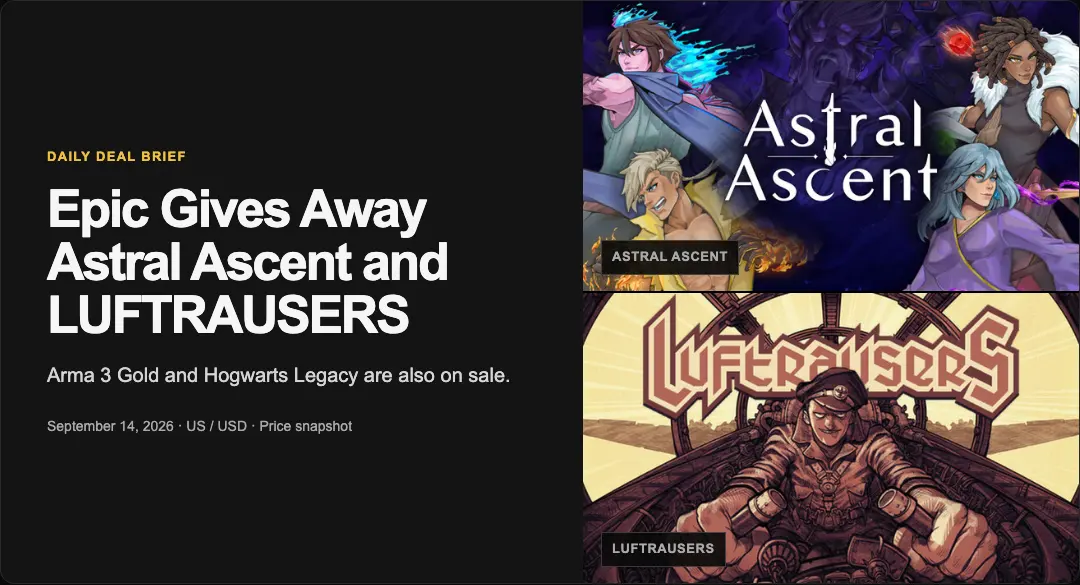
Astral Ascent and LUFTRAUSERS are free to keep today, while two of PC gaming's most celebrated RPGs cost less than $14 c















They made a very typical trade-off here: instead of focusing on events or packing in information density, they use a continuous stream of visual gags to keep people staying longer. This piece, "Fun Image Collection Page 11," is essentially not news at all, but more like a low-threshold, high-feedback content-slice product, relying on the instant payoff of "you get it at a glance."
From a design perspective, the most professional aspect of this kind of content is not how strong any single image is, but how the pacing across pages is controlled. The original text clearly states "11 pages in total," which shows it was not just a casual pile of images, but something organized around page-turning behavior to shape the consumption path. A few images per page, paired with one short caption, feels very much like the reward loop of a lightweight side quest in a game: users do not need to invest much effort to understand it, and will naturally click to the next page.
The caption strategy is also very textbook, basically using a single sentence to hit the core of the image, such as "Isn't this Totodile?" or "Since ancient times, the one on the left loses in beam clashes." This kind of writing is not explaining the picture, but helping the reader complete the first association and adding a meme hook to the image. Technically speaking, this is more reliable than a long joke, because the biggest enemy in the sharing chain is comprehension threshold: once someone has to think for three seconds, the repost rate drops.
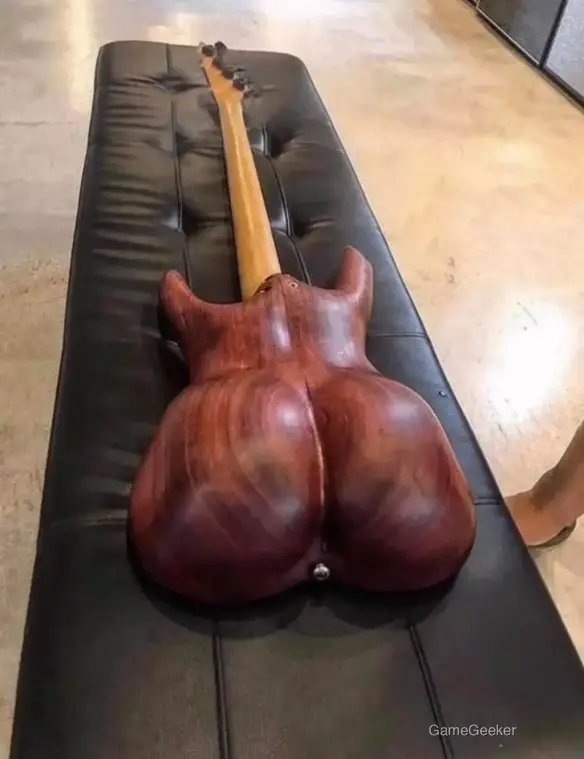
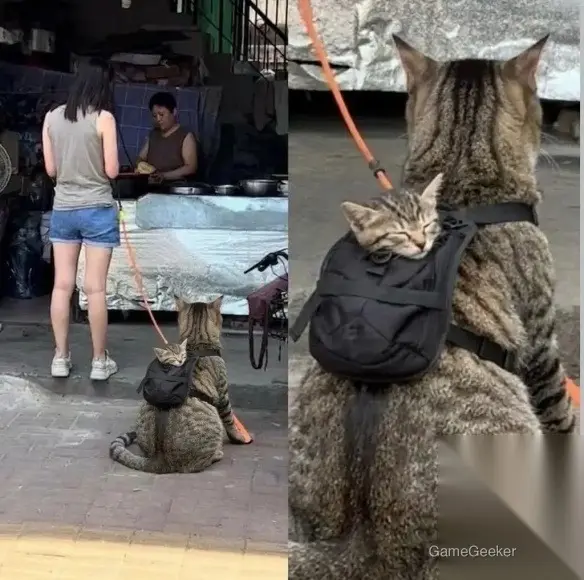
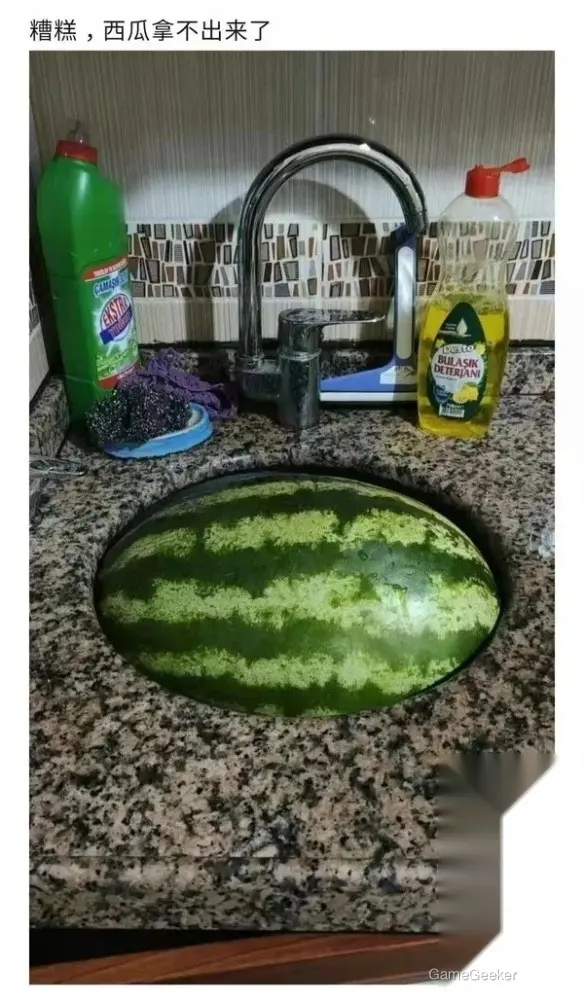
Looking at the image composition, the content covers animals, street snapshots, forced-perspective visuals, and mildly absurd scenes—almost all of them are high-click categories already validated on social platforms. Captions like "bringing the whole family along," "great grip," and "is this instrument even legit" all follow the same logic: first grab the outline, then amplify the contrast. It is the same logic used in game operations when designing event banners: first make you stop, then make you laugh. If there is any obvious weakness here, it is that the content itself lacks a unified theme and relies more on stitching materials together. It is watchable, but not exactly deeply planned, and has a bit of an assembly-line feel.
From a business-logic perspective, this kind of multi-page funny-image compilation is very suitable for steady updates. The date "2026/03/25" can also be seen in the original image links, indicating that it belongs to a content pool produced on a fixed schedule. For the platform, the advantages of this type of article are controllable production costs, broad audience appeal, and a comment section where users can naturally join in and build on the jokes. For readers, its value is not in obtaining information, but in getting quick emotional feedback during fragmented spare moments.
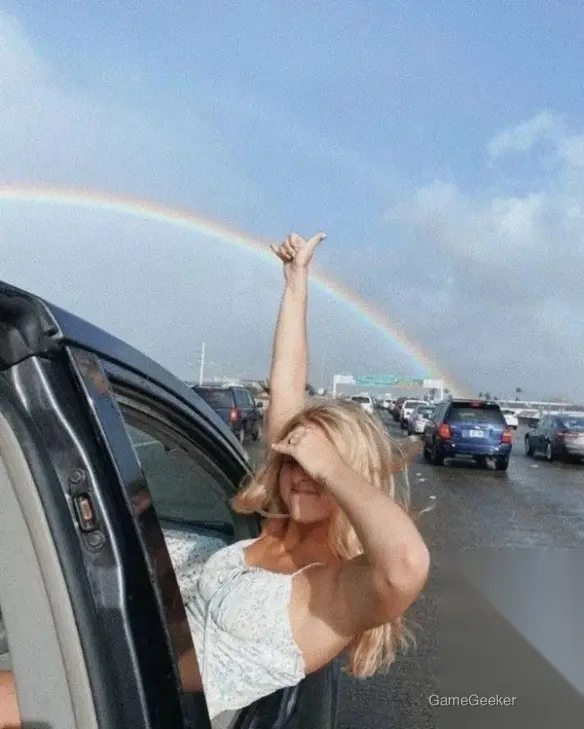
If you usually enjoy forum antics or second-creation content in short-video comment sections, then something like "Fun Image Collection" will probably be right up your alley—a light-reading product you can open and scroll through immediately, and close without any burden. On the other hand, if what you expect is hard information such as game news, publisher updates, pricing, or platforms, this original article gives you basically none of that; in fact, it explicitly mentions no specific game titles, prices, platforms, or developers. My suggestion is straightforward: treat it as an emotional patch in your feed, not the main course of content. With the right expectation, the experience actually feels much smoother.



Kommentare 0
Wir freuen uns auf deine Meinung
Beteilige dich an der Diskussion und teile deine Bewertung des Spiels.
Noch keine Kommentare. Teile deine Bewertung.