

The Top 3 in 30 Seconds: Choose Equilinox if you want to keep adjusting a shared habitat after setup. Pick Terra Nil for phased restoration that ends with equipment cleanup. Select The Sapling if you would rather design starting species and watch populations change through optional mutations.
Why These Made the List #
The key choice is how much control you want after establishing a habitat. Some games lead you toward a finished map, some make the payoff a successful placement combination, and others let populations keep changing after your initial decisions. This ranking favors direct links between habitat choices and what can live together, clear feedback about those links, and the widest range of useful decisions as the final tie-breaker.
Top Picks #
1. Equilinox #
 Kinguin$0.34-97%Steam $0.34View price →
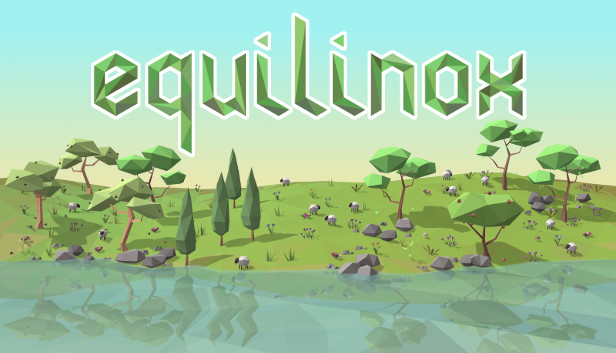
Plants and animals in Equilinox have preferred environments and also change their surroundings. That makes each introduction relevant to the next decision: you are tending one shared world rather than completing a restoration map and leaving it behind. Diversity points, tasks, and deliberate evolution provide direction within the open-ended simulation. Choose it when you want ongoing habitat management with visible goals.
| Aspect | Explanation |
|---|---|
| Why It's Ranked Here | Species preferences and environmental changes create the clearest ongoing connection between habitat choices and community composition. |
| Who It's For | It suits players who want to tend a shared habitat while working toward tasks and unlocks. |
| Key Selling Points | Diversity points, species unlocks, and changing surroundings give each adjustment several consequences. |
2. Terra Nil #

 CDKeys$10.59-62%Steam $10.59View price →
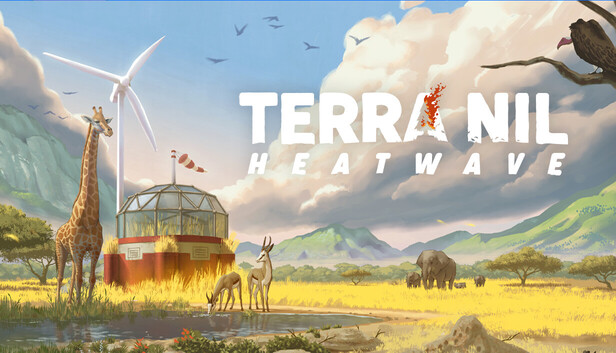
A map in Terra Nil moves through a clear restoration sequence. You restore soil and water, establish different biomes, and then recycle the equipment used during the process. Procedurally generated maps keep the terrain problem variable, while the phases make progress easy to follow. Choose it when the reward you want is a completed landscape rather than a habitat that remains under management.
| Aspect | Explanation |
|---|---|
| Why It's Ranked Here | Soil, water, biome creation, and cleanup turn habitat restoration into a legible series of decisions. |
| Who It's For | It is for players who prefer structured maps, clear objectives, and a defined endpoint. |
| Key Selling Points | Procedural maps and phased restoration make each stage of the job distinct. |
3. The Sapling #

 Steam$17.99View price →
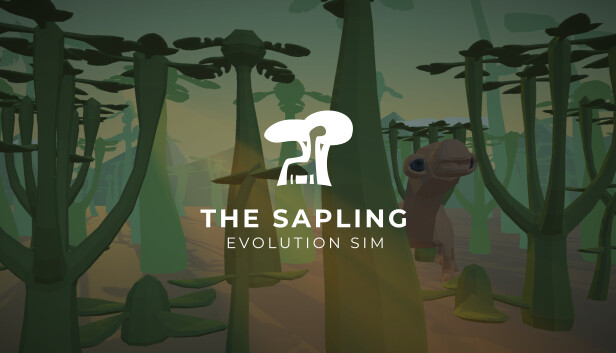
In The Sapling, you design plants, animals, algae, and fungi, place them in one world, and can enable random mutations to see how populations change. In Equilinox, you tend species according to their habitat preferences, change the shared environment, and earn diversity points as the ecosystem develops. Pick The Sapling when you want to shape starting species and observe change, or Equilinox when you want to manage habitat relationships and pursue visible goals.
| Aspect | Explanation |
|---|---|
| Why It's Ranked Here | It combines direct species design with optional mutations, linking the starting habitat to later population changes. |
| Who It's For | It suits players who want to design a community and observe how it changes over time. |
| Key Selling Points | Custom species and random mutations offer two distinct ways to influence the simulation. |
4. Preserve #
 Kinguin$3.31Steam $3.31View price →
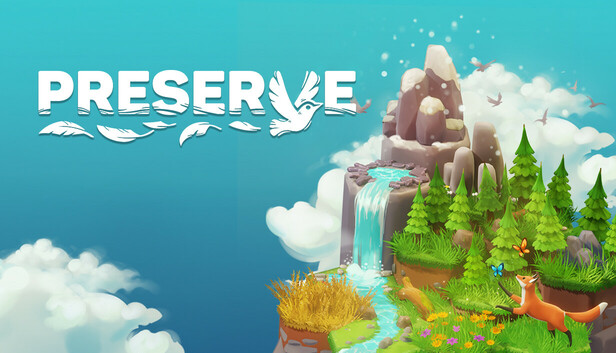
Preserve presents habitat building as a placement puzzle. Plants and animals go into biomes with different combinations, so the result of a placement is easier to read than in a simulation built around long-term population change. Its puzzle and creative modes also answer different needs: one gives you defined problems, while the other gives you room to construct. Choose it when compact placement decisions matter more than evolving populations.
| Aspect | Explanation |
|---|---|
| Why It's Ranked Here | Biome combinations make the effect of each placement visible and keep the central puzzle focused. |
| Who It's For | It is a good fit for players who prefer board-like planning or a creative construction mode. |
| Key Selling Points | Different biomes and small placement choices produce readable ecosystem-building problems. |
5. Ecosystem #

 Eneba$5.78Steam $5.78View price →
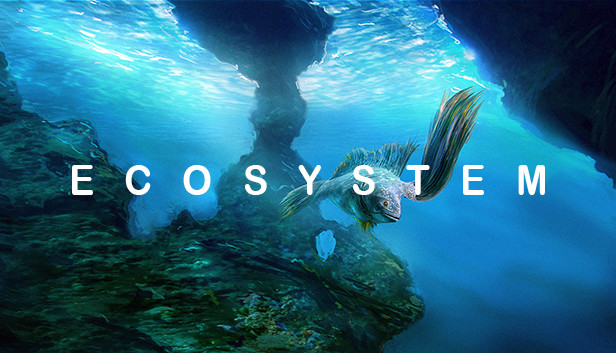
Underwater terrain is the defining constraint in Ecosystem. You build a marine habitat and observe creatures that evolve in it, while their simulated nervous systems and bodies influence movement. The result gives adaptation a visible subject, although the setting is narrower than the wider habitat choices in The Sapling or Planetary Life. Choose it when watching evolving swimmers is more important than managing several habitat types.
| Aspect | Explanation |
|---|---|
| Why It's Ranked Here | It connects an underwater environment with evolving bodies and movement in a focused simulation. |
| Who It's For | It suits players who want to observe digital creatures changing in a marine setting. |
| Key Selling Points | Underwater terrain, evolving creatures, and shareable species, maps, and aquariums define its scope. |
6. Reus 2 #
 Eneba$6.78Steam $6.78View price →
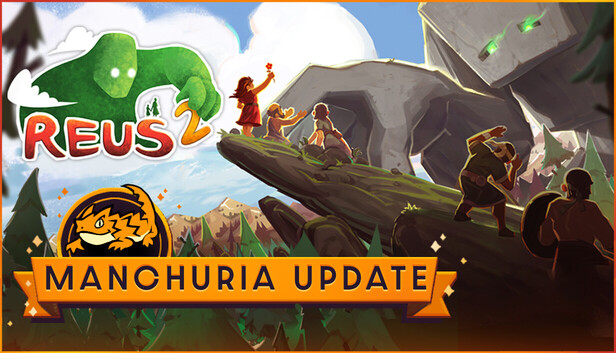
In Reus 2, the habitat matters because villages settle in the worlds shaped by the giants. Giants create biomes and place plants, animals, and minerals, while combinations within those biomes produce bonuses and resources for human settlements. That adds a strategic consequence beyond arranging species. Choose it when you want ecological composition to affect settlement development.
| Aspect | Explanation |
|---|---|
| Why It's Ranked Here | Biome combinations connect habitat composition to resources and the villages that settle in the resulting worlds. |
| Who It's For | It is for players who want plants, animals, and minerals to support a settlement-focused strategy. |
| Key Selling Points | Giant abilities, biome combinations, and village benefits extend habitat choices into human development. |
7. Planetary Life #
 Steam$11.99View price →
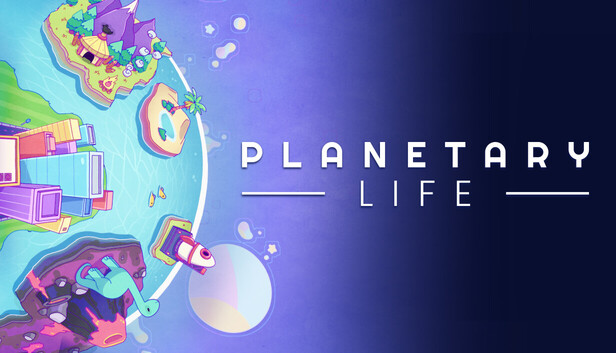
Start with mountains, seas, and climate in Planetary Life, then shape the planet as the cell stage progresses from single cells to larger creatures and plants. Pick it when planetary terrain, climate, and life development are the main attractions.
| Aspect | Explanation |
|---|---|
| Why It's Ranked Here | Terrain and climate manipulation can shape life across a planet and several stages of development. |
| Who It's For | It suits players who prefer planetary construction to close observation of one ecosystem. |
| Key Selling Points | Planet-scale terrain, climate changes, and progression from single cells to larger creatures and plants provide broad scope. |
8. The Bibites: Digital Life #
 Steam$9.99View price →
The main activity in The Bibites: Digital Life is examining digital organisms and their histories. You create worlds with adjustable simulation conditions, then inspect neural networks, family trees, and population statistics as organisms evolve over generations. Saved creatures can also enter Challenge Mode. Choose it when lineage analysis and experimental comparison matter more than shaping a finished ecosystem.
| Aspect | Explanation |
|---|---|
| Why It's Ranked Here | It offers detailed ways to trace organisms and populations, while the habitat mainly supplies experimental conditions. |
| Who It's For | It is for players who want to compare digital organisms and follow changes across generations. |
| Key Selling Points | Adjustable conditions, lineage views, population statistics, and Challenge Mode support analysis. |
Comparison Table #
| Game | Genre | Why It's Ranked | Play Structure |
|---|---|---|---|
| Equilinox | Nature management sandbox | Species change their surroundings, creating an ongoing habitat loop. | Open-ended world with tasks |
| Terra Nil | Restoration strategy | Phased restoration leads to a finished cleanup. | Phase-based restoration maps |
| The Sapling | Evolution sandbox | Designed species and optional mutations connect setup with change. | Species design and simulation |
| Preserve | Habitat placement puzzle | Biome combinations make placement effects readable. | Placement puzzles and creative play |
| Ecosystem | Aquatic evolution sandbox | Underwater conditions frame evolving movement. | Underwater observation and design |
| Reus 2 | God game and strategy | Habitat combinations affect resources and settlements. | Planet-building strategy |
| Planetary Life | Planet and life sandbox | Terrain and climate changes lead into life across scales. | Open planetary sandbox |
| The Bibites: Digital Life | Artificial life sandbox | Organisms, lineages, and conditions are the focus. | Observation, analysis, and challenges |
How to Pick the Right One #
| Preference | Recommended Games |
|---|---|
| Restore a map and finish the job → | Terra Nil |
| Tend a living world or plan habitat placements → | Equilinox, Preserve |
| Observe change across generations → | The Sapling, Ecosystem, The Bibites: Digital Life |
| Shape a planet and see what follows → | Reus 2, Planetary Life |
FAQ #
Which games offer the clearest goals? #
Terra Nil has restoration phases and a cleanup objective. Preserve offers a separate puzzle mode alongside creative play. Equilinox includes tasks within its sandbox.
Which games let populations evolve? #
The Sapling offers optional random mutations. Ecosystem features evolving aquatic creatures. The Bibites: Digital Life lets you trace digital lineages across generations.
Which game connects habitat choices to human settlements? #
Reus 2 connects them directly: villages settle the worlds shaped by the giants and respond to the resources available there.






Comments 0
Share your game review
Join the discussion and share your review of this game.
No comments yet. Share your review.