




The Top 3 in 30 Seconds: Manifold Garden is a strong choice for players who want gravity to reshape the entire world and turn every visible surface into a possible floor. Etherborn builds its puzzles around curved structures where the surface beneath you determines gravity. For a compact 2D logic experience, The Bridge makes world rotation and ceiling-to-floor changes the central challenge.
Why These Made the List: #
This ranking covers games where gravity materially changes navigation, object movement, surface orientation, or puzzle solving. The order reflects how directly each game makes gravity part of the surrounding space and how clearly those rules support its puzzles.
Gravity takes several forms across the list. Surface reorientation, world rotation, local fields, orbital movement, launch paths, dimension switching, and action-platforming each create a different kind of challenge. Puzzle depth is considered separately from timing, combat, bosses, and general platforming.
Top Picks: #
1. Manifold Garden #
 CDKeys$1.55-93%Steam $1.55View price →
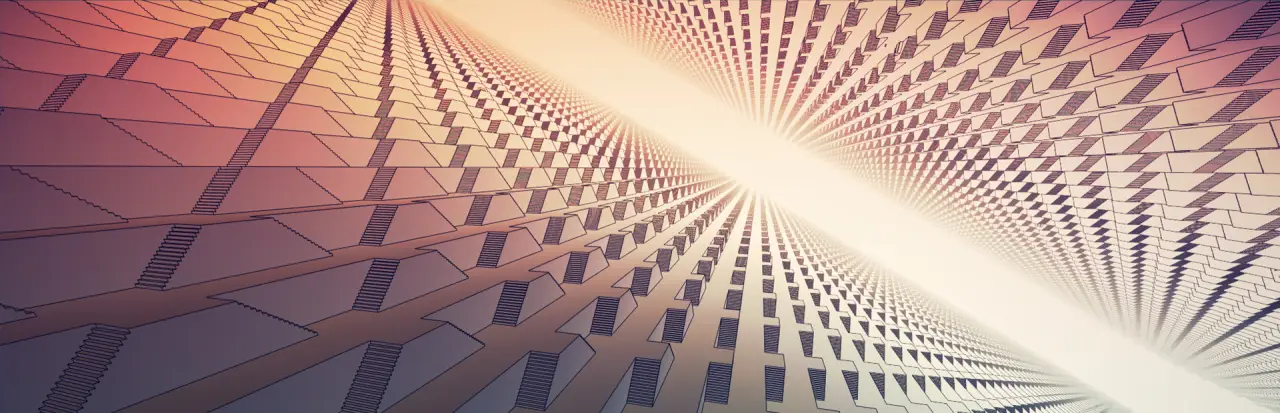
Repeated geometry gives Manifold Garden a world where gravity changes your perspective and lets you walk across any visible surface. Falling loops back toward where you began, so gravity remains part of navigation rather than a temporary ability used only in certain rooms. The first-person view makes each change in orientation easy to follow.
| Aspect | Explanation |
|---|---|
| Why It's Ranked Here | Manifold Garden makes gravity central to the experience by changing your perspective, the surfaces you can walk on, and even the way falling works in its repeating world. |
| Who It's For | Manifold Garden is a good fit for players who want spatial puzzles in which changing gravity changes what counts as the floor. |
| Key Selling Points | You can walk on any visible surface, alter your perspective with gravity, and solve physics-defying puzzles inside endlessly repeating geometry. |
2. Etherborn #

 Kinguin$0.59-97%Steam $0.59View price →
On the curved structures of Etherborn, the surface beneath your character determines the direction of gravity. Moving onto another part of the architecture changes how you can cross the space. Reading these organic forms is therefore the central skill in its environmental puzzle platforming.
| Aspect | Explanation |
|---|---|
| Why It's Ranked Here | Etherborn stands out because gravity follows the surface beneath the character, making curved-surface navigation its core puzzle mechanic. |
| Who It's For | Etherborn is suited to players who enjoy understanding unusual architecture and finding routes through spaces that do not behave like flat stages. |
| Key Selling Points | Exploration, environmental manipulation, and gravity shifts work together, while the curved environments make every change in orientation relevant to navigation. |
3. The Bridge #
 Kinguin$0.79-93%Steam $0.79View price →
In The Bridge, gravity manipulation becomes a precise 2D logic system. Rotating the world can turn the ceiling into the floor and change the route through each impossible structure. Gravity vortexes, parallel dimensions, and time backtracking add variety without obscuring the central rule.
| Aspect | Explanation |
|---|---|
| Why It's Ranked Here | The Bridge gives world rotation a direct logical role because turning the layout changes the meaning of the floor and ceiling in every stage. |
| Who It's For | The Bridge suits players who prefer 2D logic problems, impossible architecture, and careful rotation planning to free movement through three-dimensional spaces. |
| Key Selling Points | Gravity manipulation, gravitational vortexes, parallel dimensions, and time backtracking give each layout several ways to challenge your assumptions. |
4. Relicta #

 GAMIVO$0.91Steam $0.91View price →
Set on a Moon base, Relicta asks you to combine gravity and magnetism in object-based physical puzzles. You can alter both systems while examining the environment, then use their interaction to move objects and open routes. Gravity is one part of Relicta's puzzle system, working alongside magnetism rather than carrying the entire game.
| Aspect | Explanation |
|---|---|
| Why It's Ranked Here | Relicta uses gravity for substantial physical reasoning while giving magnetism an equally important role in its puzzle design. |
| Who It's For | Relicta is a good choice for players who want first-person puzzles that combine gravity with another system for manipulating objects. |
| Key Selling Points | You can change gravity and magnetism, read environmental clues, and solve physical puzzles across the Moon-base setting. |
5. Gravitas #

 SteamFreeView price →
A gallery devoted to gravity provides the setting for Gravitas, where gravity-manipulation powers control movement and help you move the gallery's cubes. The mechanic shapes both traversal and object handling. Lethal hazards add pressure, while the gallery's simple layout keeps the gravity puzzles easy to read.
| Aspect | Explanation |
|---|---|
| Why It's Ranked Here | Gravitas focuses on using gravity to control movement and manipulate cubes within a compact puzzle-platforming structure. |
| Who It's For | Gravitas is suited to players who want a compact introduction to gravity traversal with movable objects and platforming hazards. |
| Key Selling Points | Gravity powers help you navigate the gallery, manipulate cubes, and deal with lethal exhibits while the Curator accompanies you. |
6. And Yet It Moves #

 Eneba$0.36Steam $0.36View price →
Made from ripped paper, the world of And Yet It Moves rotates in ninety-degree steps. Each turn changes movement and obstacles, so you must learn the physical consequences of a new orientation. Jumping, running, and optional timed challenges add action pressure to the puzzles.
| Aspect | Explanation |
|---|---|
| Why It's Ranked Here | And Yet It Moves gives every rotation meaningful physical consequences, while platforming and optional timed play add a stronger action component. |
| Who It's For | And Yet It Moves suits players who want world rotation combined with platforming, jumping, and optional speed challenges. |
| Key Selling Points | Ninety-degree rotations alter the physical layout, while the paper presentation makes those changes easy to follow and Ghost Runs add another timing challenge. |
7. Gravity Ghost #
 Steam$9.99View price →
Rather than enclosing gravity puzzles in rooms, Gravity Ghost uses planetary pull as a way to travel. You run, jump, and orbit planets to glide through the air, while powerups and gravity-warping terraforming add further options. Its forgiving structure removes combat, death, and traditional failure states.
| Aspect | Explanation |
|---|---|
| Why It's Ranked Here | Gravity Ghost gives gravity a clear role through orbital movement, although its broader movement-focused structure is less centered on strict logic puzzles. |
| Who It's For | Gravity Ghost is a good fit for players who want forgiving movement around planets instead of combat or demanding puzzle-room logic. |
| Key Selling Points | Planetary orbits shape travel, terraforming can warp gravity, and the non-lethal structure lets you experiment without a fail state. |
8. Quantum Conundrum #
 Kinguin$1.42-86%Steam $1.42View price →
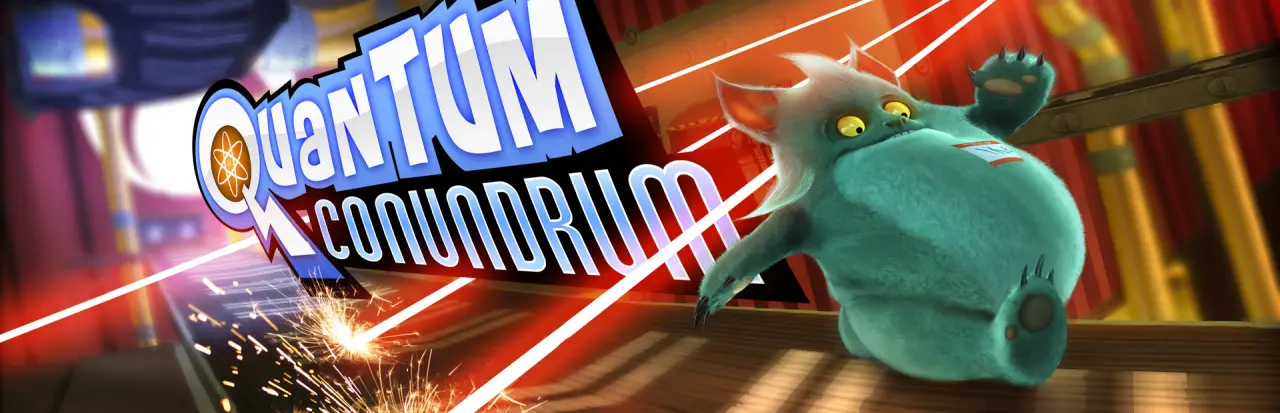
Quantum Conundrum includes an Anti-Gravity Dimension that makes objects float upward, but gravity is only one part of its dimension-switching system. Other dimensions change properties such as weight, and real-time switching lets you combine those effects while navigating a mansion. The puzzles therefore rely on gravity alongside several other forms of manipulation.
| Aspect | Explanation |
|---|---|
| Why It's Ranked Here | Quantum Conundrum makes reversed gravity concrete and useful, but several other dimension mechanics also share responsibility for solving its puzzles. |
| Who It's For | Quantum Conundrum suits players who want gravity as one tool within a broader system that also changes weight and other object properties. |
| Key Selling Points | The Anti-Gravity Dimension makes things float upward, while real-time switching combines that effect with changes such as altered weight. |
9. Gravity Badgers #
 Kinguin$0.44-92%Steam $0.44View price →
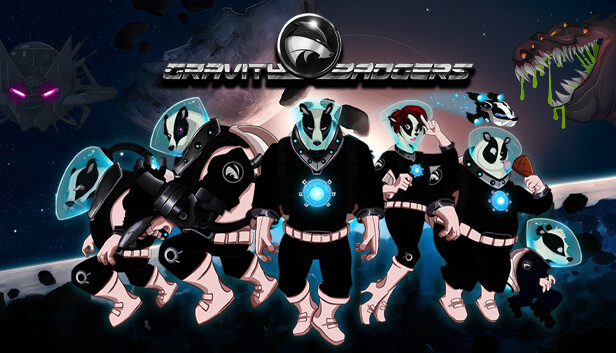
Planetary gravity controls launch paths in Gravity Badgers. You throw the protagonist into a planet's pull, dodge asteroids, and face deadly bosses across deep-space stages. The mechanic is direct, but hazards and encounters create action pressure instead of slow spatial analysis.
| Aspect | Explanation |
|---|---|
| Why It's Ranked Here | Gravity Badgers clearly uses gravity to control launch trajectories, while hazards and bosses make action the dominant challenge. |
| Who It's For | Gravity Badgers is suited to players who want gravity-assisted launches, asteroid dodging, and boss encounters instead of quiet spatial logic. |
| Key Selling Points | Planetary pull shapes each launch, while asteroids, bosses, unlockable characters, and repeated challenges turn the physics system into an action-focused experience. |
10. Defy Gravity Extended #
 Kinguin$0.37-83%Steam $0.37View price →
In Defy Gravity Extended, a gun creates local pockets of gravity and anti-gravity. These pockets can boost jumps, move objects, and reposition the platforms beneath you. The tools are versatile, but the game is explicitly an action platformer with gravity-based puzzle solving, so timing and traversal remain central.
| Aspect | Explanation |
|---|---|
| Why It's Ranked Here | Its gravity tools affect jumps, objects, and platforms, but action-platforming remains the main focus of Defy Gravity Extended. |
| Who It's For | Defy Gravity Extended is a good fit for players who want active platforming in which local gravity powers help cross obstacles and alter the environment. |
| Key Selling Points | You can create gravity and anti-gravity pockets, augment jumps, move objects, reposition platforms, and access a separate quest mode with its own stages. |
Comparison Table: #
| Game | Genre | Why It's Ranked | Play Structure |
|---|---|---|---|
| Manifold Garden | First-person adventure puzzle | Gravity changes your perspective and the surfaces available for walking across a repeating world. | You explore the repeating world, manipulate gravity, and solve environmental puzzles as you progress. |
| Etherborn | Environmental puzzle platformer | The surface beneath the character determines the direction of gravity. | You explore curved environments, shift gravity, and use platforming to find your way forward. |
| The Bridge | 2D logic puzzle | World rotation changes the ceiling into the floor and turns gravity into a direct logic rule. | You manipulate the world, explore alternate versions, tackle increasing difficulty, and use time backtracking. |
| Relicta | First-person physics puzzle adventure | Gravity combines with magnetism to create a broader physical puzzle system. | You explore the Moon base, manipulate objects, follow environmental clues, and solve physical riddles. |
| Gravitas | First-person puzzle platformer | Gravity affects navigation and gallery cubes inside a focused exhibit structure. | You use gravity powers and cube manipulation to traverse lethal exhibits in the short single-player campaign. |
| And Yet It Moves | Puzzle-platformer | Ninety-degree rotations create physical consequences while platforming adds timing pressure. | You jump, run, rotate the world, overcome environmental challenges, and take on optional timed modes. |
| Gravity Ghost | Physics movement game | Gravity drives orbital movement and gliding around planets rather than strict room logic. | You jump, orbit planets, use powerups, terraform the environment, and take on gravity challenges. |
| Quantum Conundrum | Dimension-switching puzzle adventure | Reversed gravity is one useful dimension effect among several property changes. | You traverse a mansion, switch dimensions in real time, change object properties, and follow rescue-driven progression. |
| Gravity Badgers | Physics-based action puzzle | Planetary gravity shapes launch paths, while hazards and bosses emphasize action. | You launch through stages, dodge asteroids, face bosses, and unlock additional characters. |
| Defy Gravity Extended | Action platformer with gravity puzzles | Local gravity fields affect jumps, objects, and platforms, but action remains the main focus. | You use a gravity gun to cross obstacles, move objects, reposition platforms, and access a second quest mode. |
How to Pick the Right One: #
| Preference | Recommended Games |
|---|---|
| Choose surface and orientation puzzles → | Choose Manifold Garden, Etherborn, The Bridge, and And Yet It Moves if you want puzzles built around surfaces and orientation. |
| Choose gravity fields and object manipulation → | Choose Relicta, Gravitas, and Defy Gravity Extended if you want gravity fields and object manipulation. |
| Choose orbital or launch-path movement → | Choose Gravity Ghost and Gravity Badgers if you want orbital or launch-path movement. |
| Choose gravity within dimension switching → | Choose Quantum Conundrum if you want gravity within a broader dimension-switching system. |
FAQ: #
Which games focus on changing global gravity, and which use local fields? #
Manifold Garden is the clearest choice if you want gravity to change the overall orientation of the world and let you walk on any visible surface. Relicta is better suited to local gravity fields combined with another physical system because its puzzles pair gravity with magnetism. Defy Gravity Extended also creates local gravity and anti-gravity pockets, but active traversal and platforming give it a stronger action focus.
Should I choose a first-person gravity puzzle or a 2D one? #
Choose Manifold Garden for first-person manipulation of gravity and orientation without magnetism, or Relicta for first-person object puzzles that combine gravity and magnetism. The Bridge is the clearest 2D logic choice because world rotation turns the ceiling into the floor. And Yet It Moves also rotates a 2D paper world, but jumping, running, and optional timed challenges add platforming pressure.
Which games favor action timing rather than spatial thinking? #
Gravity Badgers and Defy Gravity Extended demand more timing because launches, obstacles, platforming, and action shape their challenges. And Yet It Moves sits between the two approaches because its rotations have physical consequences while platforming and optional speed modes add timing pressure. The Bridge, Manifold Garden, Etherborn, and Relicta place greater emphasis on reasoning about orientation, surfaces, objects, or physical systems.
Does every game here use gravity in the same way? #
Gravity and magnetism are distinct mechanics in these games: Quantum Conundrum has an Anti-Gravity Dimension, but its broader system also changes properties such as weight. Gravitas combines gravity manipulation with gallery cubes, while Relicta combines gravity with magnetism. Manifold Garden, Etherborn, and The Bridge make gravity or surface orientation their central organizing idea.
Does every game involve combat? #
Combat is not part of every game here. Gravity Ghost has no killing, and its challenges focus on movement around planets and rescuing survivors. Gravity Badgers includes deadly bosses and danger, making it the clearest combat-adjacent action entry. The other games center on puzzles, traversal, platforming, dimensions, or physical systems rather than a shared combat structure.





Comments 0
Share your game review
Join the discussion and share your review of this game.
No comments yet. Share your review.