12 Best Beginner-Friendly Co-op RPGs for New Players (2026)
Selección de Alex 陈 · ·listDetail.views: 2,991 Comentarios
Co-op RPGs are fun, but what do newcomers fear most? Overly complicated mechanics, communication that takes too much effort, and getting swept along by veteran players’ pace the moment they join a team. This ranking looks only at “beginner-friendliness,” focusing on whether the tutorial is clear, whether early feedback is direct, whether failure is punished gently, and whether the community has a welcoming reputation. Games like *Cat Quest II* and *Minecraft Dungeons* stand out for their low learning curve and steady positive reinforcement, while deeper titles like *Remnant 2* and *The Elder Scrolls Online* are better saved for after you’ve gotten used to the rhythm of co-op play. If you want your first online session with friends to go smoothly, you’ve got to pick the right game first, don’t you?
Co-op RPGs are fun, but what do beginners fear most? Overly complicated mechanics, high communication costs, and getting dragged along by veteran players the moment they join a party. This ranking looks only at “beginner-friendliness,” focusing on whether the tutorials are clear, whether early-game feedback is immediate, whether failure penalties are forgiving, and whether the community has a friendly reputation. Games like Cat Quest II and Minecraft Dungeons naturally stand out for their low barrier to understanding and steady positive feedback, while deeper titles like Remnant 2 and The Elder Scrolls Online are better suited for after you’ve gotten used to the rhythm of co-op play. If you want your first online session with friends to go smoothly, how can you not pick the right game first?
Image: Minecraft: Dungeons
Tags: Action, Adventure, RPG, 2, 1
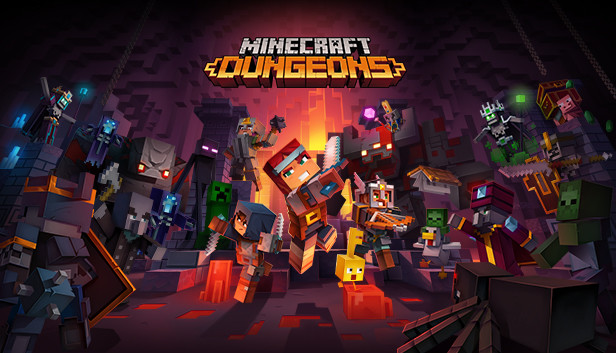
Minecraft Dungeons simplifies the ARPG formula in a very clever way: there’s no complicated class tree, gear is your build, and picking up a new weapon lets you feel the difference immediately. Its nearly 15,000 Steam reviews and 90% positive rating also show how stable its co-op experience is. The stages are short-paced, downed players can be revived, and difficulty is adjustable, so friends can jump into farming gear, fighting monsters, and pushing the story forward without spending ages studying mechanics.
Image: Cat Quest II
Tags: Action, Adventure, Indie, RPG, 2
Cat Quest II is practically a model example of a low-barrier co-op RPG: 95% positive reviews and 5,700+ ratings make its reputation very solid. Its gear, skills, and quest lines are all highly intuitive, so when two players progress together in split-screen/shared-screen play, there’s barely any need for long explanations; downed states and combat penalties are also fairly light, making trial and error inexpensive. More importantly, the dual cat-and-dog protagonist setup makes teamwork feel natural, while the control burden always stays light. When you invite a friend for a first co-op run, isn’t this kind of “instantly easy to understand” smoothness exactly what you want?
Image: Borderlands 2
Tags: Action, RPG, 2, 1, 9
Borderlands 2 has a big advantage for co-op newcomers: the “shooting satisfaction + progression feedback” comes almost at the same time. Main story progression is straightforward, quest guidance is clear, loot drops are frequent, and swapping gear gives an immediate sense of increased power. In 4-player co-op, role division doesn’t require overthinking builds, and early on, weapon traits and skill trees are enough to make every player feel impactful. Its 89% positive Steam rating and over 200,000 reviews show that it still has a stable reputation to this day. If you want to laugh and fight alongside friends without memorizing pages of mechanics first, isn’t this kind of game the safer choice?
Image: Aliens: Fireteam Elite Deluxe Edition
Tags: Action, RPG, 2, 1, 9
Aliens: Fireteam Elite has 21,000+ Steam reviews and an 80% positive rating, and its co-op framework is more intuitive than that of a hardcore loot-grind RPG: three-player teams, class-based roles, and a straightforward push through alien nests make it easy for newcomers to quickly understand what they should be doing. Its strengths lie in its steady pacing, clear objectives, and fast enough weapon and class progression. The only thing to watch out for is that higher difficulties place much greater demands on positioning and ammo management, so it’s best to start on normal difficulty and get used to the pressure of the aliens first.
Image: Remnant: From the Ashes
Tags: Action, Adventure, RPG, 2, 1
Remnant: From the Ashes has nearly 46,000 Steam reviews and an 84% positive rating, giving it a reputation solid enough to trust. It blends third-person shooting, Soulslike dodging, and randomized maps together, and in a 3-player team, roles feel very clear during progression: drawing aggro, adding damage, and reviving teammates all feel immediately valuable. The difficulty isn’t low, but failure mostly costs time rather than resources, and boss mechanics are often learned through observation, making it a good fit for teams that are past the beginner phase and want to try a more hardcore co-op challenge.
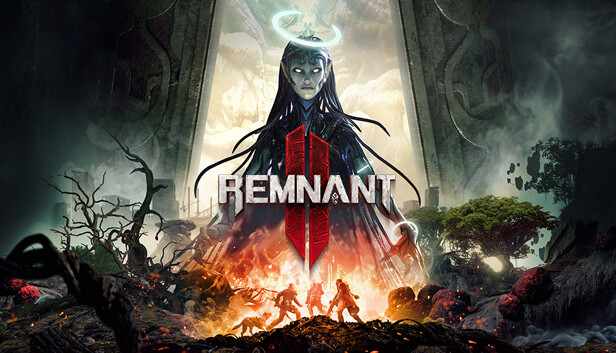
Image: Remnant 2
Tags: Action, Adventure, RPG, 2, 1
Remnant 2 suits teams that want to “step up into co-op shooter RPGs”: its 83% positive rating and 44,000+ reviews show a stable overall level of quality. Its starting classes are clear, gunplay feels direct, and 3-player teams have more room for error than in a pure Soulslike; randomized maps and boss mechanics also keep each new run feeling fresh. The challenge is that later on, there are many more Builds, puzzles, and hidden secrets, so the information density rises noticeably. That makes it less of a lightweight beginner title, but as a bridge from casual online co-op to more hardcore teamwork, it hits the mark perfectly.
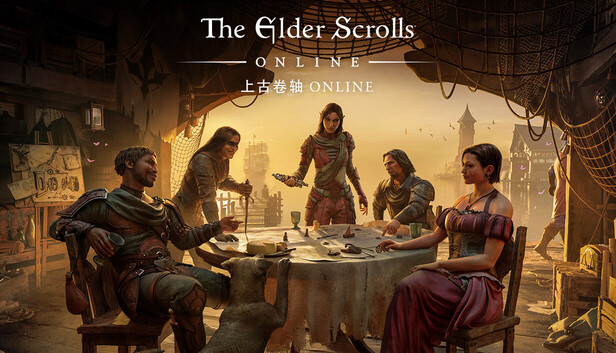
Image: The Elder Scrolls® Online
Tags: Action, Adventure, Massively Multiplayer, RPG, 1
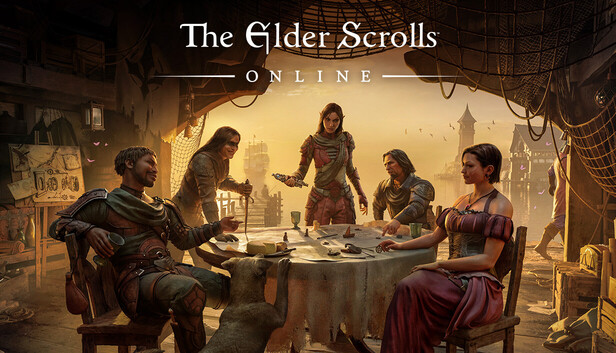
The Elder Scrolls Online has 132,000 Steam reviews and an 82% positive rating, with both scale and reputation on very solid footing. Its strength lies in its high class freedom and the fact that story quests can be progressed solo, so when friends join later to run dungeons and world events together, it never feels awkward. Compared with lighter co-op RPGs, its systems are much denser, and its gear, skill lines, and expansion content all take time to absorb; however, level scaling and the open map lower the barrier to grouping up, making it a good fit for beginner teams who want to invest in one character over the long term.
Image: Warhammer: Vermintide 2
Tags: Action, Indie, RPG, 2, 1
Warhammer: Vermintide 2 isn’t the most “zero-barrier” option, but it excels in how straightforward its goals are: clear hordes, hold your position, save teammates. The logic of 4-player teamwork is very easy to understand. Its melee hit feedback is among the best in its genre, and class roles are clearly defined yet don’t require memorizing complicated loadouts, so you can build a good sense of rhythm within the first few hours. Its 90,000+ Steam reviews and 84% positive rating also show that its co-op experience is stable enough. If you want to move from “just shooting stuff” into RPG-style action co-op that emphasizes coordination more, it’s a very reliable next step.
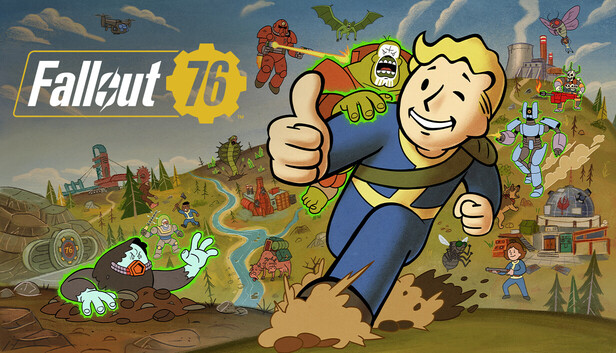
Image: Fallout 76
Tags: RPG, 1, 20, 49, 36
Fallout 76 is more like a “Fallout survival sandbox with online play”: its main and side quest guidance is complete, and its three progression tracks—quests, camp building, and world events—run in parallel, so even newcomers with average aim can progress steadily through scavenging and gearing. Its nearly 76,000 Steam reviews and 74% Mostly Positive rating suggest that its long-term updates have proven its playability. Its strength isn’t pure loot grinding, but rather exploring the wasteland with friends while dividing tasks like gathering materials and defending strongholds, giving co-op a very clear sense of purpose.
Image: State of Decay 2: Juggernaut Edition
Tags: Action, RPG, Simulation, 2, 1
State of Decay 2: Juggernaut Edition is more like “co-op survival management” than a pure loot-grind RPG: online play supports up to 4 players, and scavenging, base building, and defending against zombie hordes all have clearly defined roles, giving players a stable sense of purpose within the first few hours. Its 83% positive Steam rating and more than 56,000 reviews show that its long-term reputation is reliable. Its advantage for newcomers lies in its intuitive controls and fast resource feedback, but permanent character death and the morale system do raise the threshold for error tolerance. If you want something easy to get into while also experiencing a bit of decision-making pressure, this one fits well.
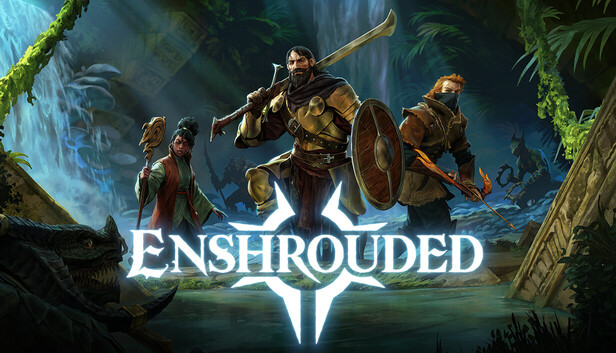
Image: Enshrouded
Tags: Action, Adventure, Indie, RPG, Early Access
Enshrouded feels more like a hybrid of “survival crafting + action RPG”: its 86% Steam rating and sample of over 87,000 reviews show that it succeeds on more than just its concept. For beginners, its three parallel progression lines—base building, glider-based exploration, and skill growth—move forward together, with clear early goals and immediate rewards for gathering resources, unlocking recipes, and clearing the mist. Role division in co-op also comes naturally: one person gathers, one repairs the house, one pushes enemy strongholds. You don’t need to rely on skillful play right away—isn’t that exactly what makes it so suitable for a slow-burn first adventure with friends?
Image: The Riftbreaker
Tags: Action, Adventure, Indie, RPG, Simulation
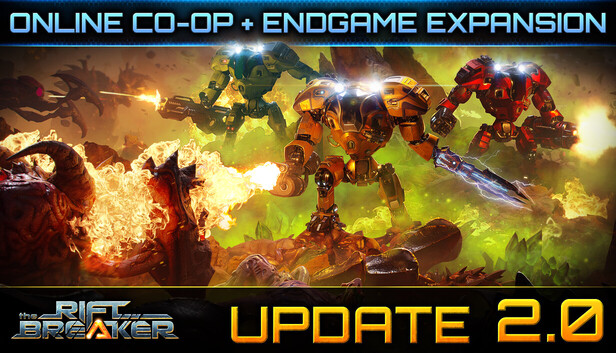
The Riftbreaker feels more like a co-op crash course in “mech action + tower defense base building”: one player clears enemies, another lays down power grids and turrets, and the division of labor is intuitive. Its nearly 21,000 Steam reviews and 90% positive rating show that its reputation is stable. The resource loop and tech tree provide clear feedback, and failure usually just means part of the base gets overrun; after adjusting your defenses, you can jump right back in, so even newcomers can clearly see their contribution.
If your goal is to “get into the genre smoothly” rather than “suffer right from the start,” prioritizing games with complete tutorials, intuitive progression, and higher tolerance for mistakes is the safest bet. Start with lighter co-op experiences to build familiarity, then gradually move into more mechanically complex RPGs—the fun of multiplayer progression really shines that way.
 GAMIVO$10.18Steam $10.18Ver precio →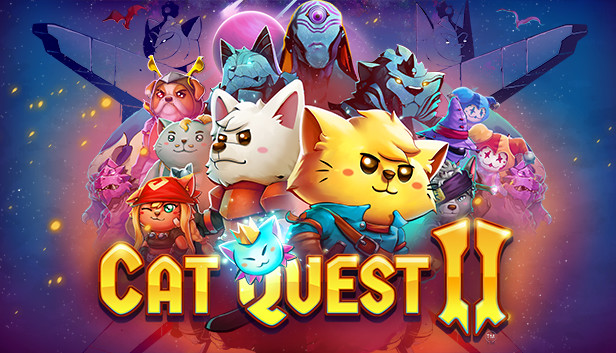
 GOG$1.79-76%Steam $1.79Ver precio →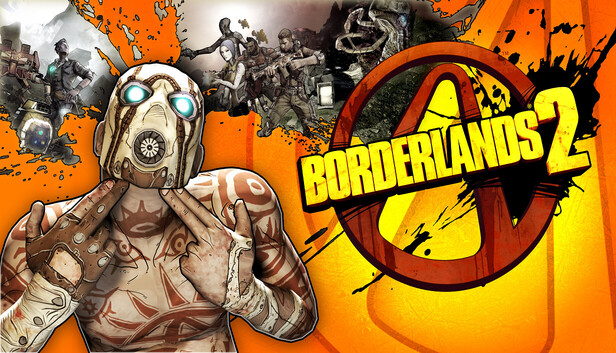
 Kinguin$2.75-92%Steam $2.75Ver precio →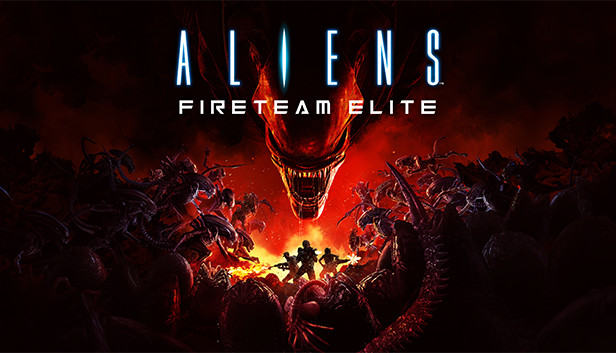
 Steam$5.99$29.99-80%Ver precio →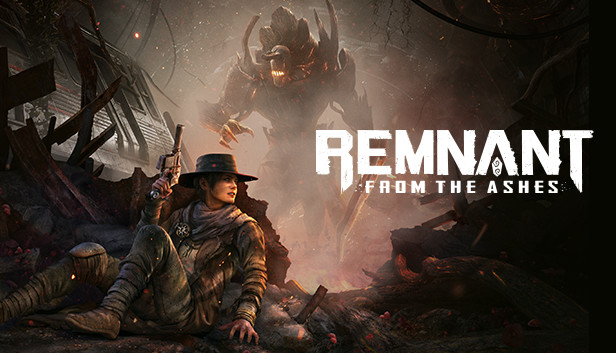
 Nuuvem$4.99-75%Steam $4.99Ver precio →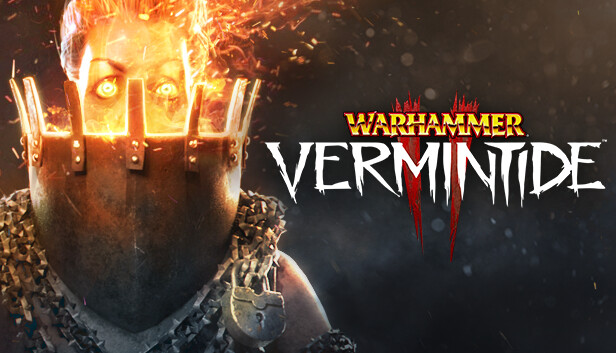







Comentarios 0
Nos interesa tu opinión
¡Bienvenido! Cuéntanos qué te parece este juego: ser el primero puede tener premio.
Todavía no hay comentarios. Sé el primero.