Indie adventure games are often lazily reduced to "big on atmosphere, light on systems." The 12 games that actually earned lasting status did the opposite. Each made a clear leap in structure, whether through survival pacing, narrative design, investigation logic, or level construction. This ranking orders them by overall influence, looking not just at acclaim, but at genre-defining power, how much later games learned from them, and whether their design still holds up today.
1. Subnautica #
 Eneba$6.02Steam $6.02Voir le prix →
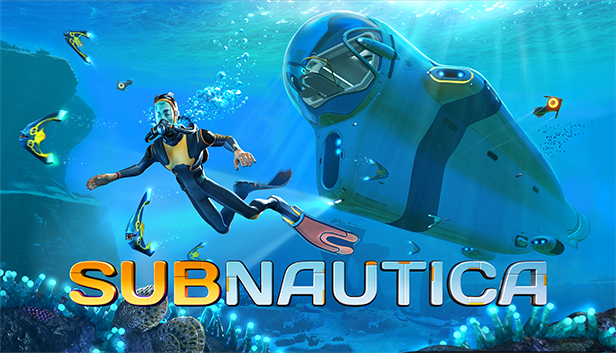
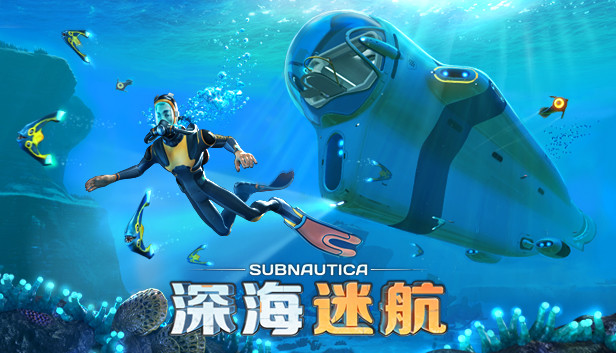
What makes Subnautica exceptional is not simply the "underwater survival" premise. It is the way it fuses exploration, resource loops, and fear management into one cohesive progression chain. The open sea looks freeform, but its rhythm is tightly controlled through oxygen limits, vehicle depth thresholds, oppressive sound design, and creature threats, forcing every dive to become a calculation between risk and reward. Base-building is not a side feature either; by the mid-to-late game, it becomes a key pillar of route optimization and psychological safety. It remains one of the clearest high-water marks for survival exploration.
2. Please present the document. #
 GOG$5.38Steam $5.38Voir le prix →
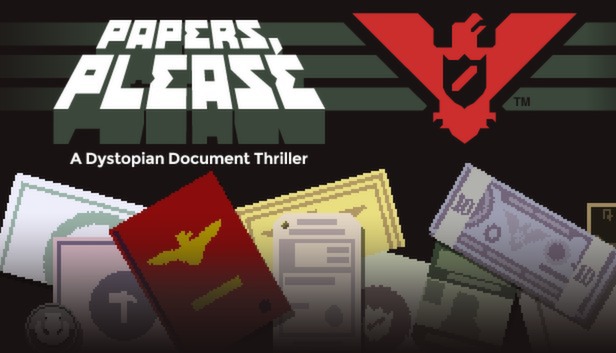
The brilliance of Papers, Please is not that document inspection was a novel idea. It is that the game ties procedural verification, time pressure, and family livelihood directly together. Every stamp becomes a choice between rules, sympathy, and self-preservation. As new regulations pile up, the work grows more complex, and the absurdity of the bureaucracy intensifies with it. Few games have extracted this much moral tension from repetitive labor alone, and later narrative-driven management games have had a hard time escaping its shadow.
3. To the Moon To the Moon #
 GOG$5.38Steam $5.38Voir le prix →
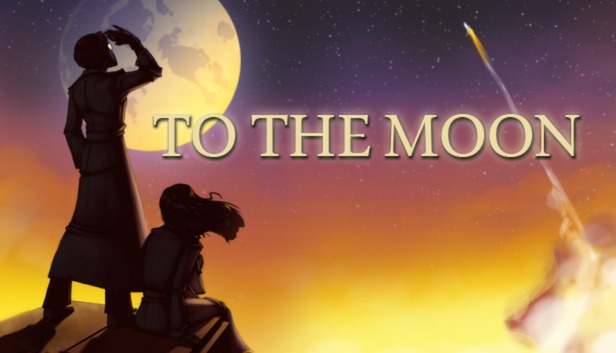
To the Moon wins with almost no reliance on combat or elaborate puzzle design. Its real strength is turning narrative structure itself into gameplay. Players trace backward through fragments of memory, and within the profession of "rewriting wishes," gradually unpack relationships, the roots of regret, and emotional misreadings. The pixel presentation is not flashy, but its pacing is remarkably precise, and the combination of music and dialogue leaves a powerful aftereffect. It proved that an indie adventure game could use minimal interaction to deliver an emotional arc with real design intent.
4. Dina's Return #
 GOG$11.35Steam $11.35Voir le prix →
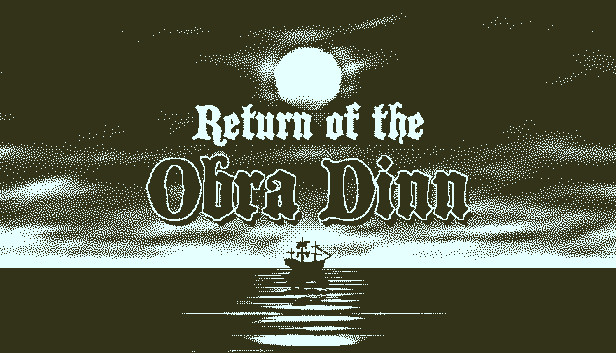
Return of the Obra Dinn stands out because it makes deduction into a fully operable system rather than a bit of narrative garnish. Using frozen death scenes, spatial positioning, accents, job roles, and object details, players rule possibilities out and gradually reconstruct the fate of the entire ship. It has almost none of the usual action feedback, yet it generates a powerful loop through information handling and identity confirmation alone. Compared with the one-solution lock-and-key structure common in puzzle games, it feels more like a tightly built engine of inference, and it remains a ceiling-setting example for investigative adventures.
5. Hollow Knight #
 GAMIVO$7.93Steam $7.93Voir le prix →
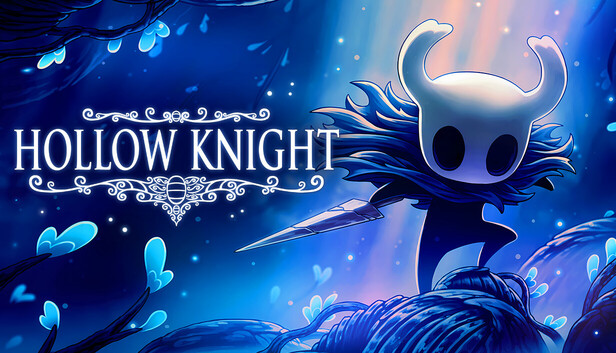
What makes Hollow Knight special is not just its scale, but the way it binds Metroidvania exploration, Soulslike corpse-retrieval pressure, and precise platforming into a dense, repeatable loop. Map information is deliberately restrained, shortcuts are elegantly interlocked, and the sense of progress comes from the player learning the world rather than being pulled forward by quest markers. Bosses emphasize pattern reading and movement rhythm, while the Charm system creates clear build variation. It does not succeed on art direction alone; it turns being lost, failing, and breaking through into the core experience.
6. Internal #
 GAMIVO$21.83Steam $21.83Voir le prix →
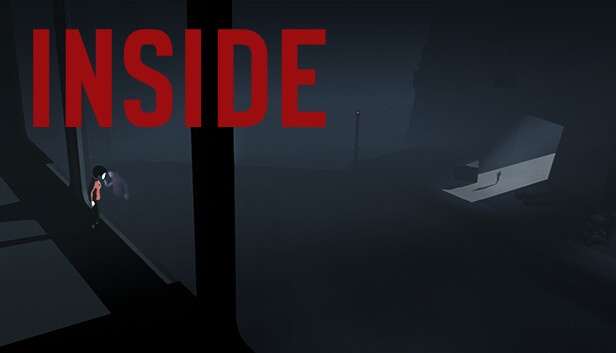
INSIDE does not draw its power from written narrative. Its real achievement is making "being controlled" into the gameplay itself. With almost no UI and a side-scrolling structure that compresses chases, mechanisms, and physics puzzles into an ever-tightening rhythm, it wastes almost no space. The later sections, especially the body-control sequences and the ending reversal, hit particularly hard. It never leans on dialogue to explain its world, yet oppression, alienation, and loss of control all land directly in the player's hands. In level density, restraint of presentation, and the fusion of mechanics with narrative, it remains a benchmark.
7. Journey of the Wind #
 Eneba$3.08Steam $3.08Voir le prix →
The greatness of Journey is not just that it is beautiful. It turns movement itself into an emotional system. Gliding, charging, and riding air currents upward create a game with almost no traditional combat or stat burden, yet the terrain and sequencing consistently generate awe, loneliness, and release. Its anonymous multiplayer is the crucial final stroke: players cannot speak, and can only communicate through chimes and companionship, which makes the feeling of presence both restrained and precise. It proved that minimalist interaction could still sustain a complete adventure loop.
8. Famine #
 GOG$3.58Steam $3.58Voir le prix →
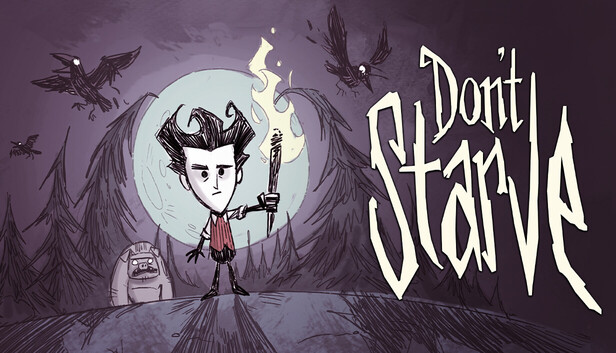
What makes Don't Starve powerful is not merely the demand to stay alive. It is the way resource circulation, seasonal pressure, sanity, and the tech tree are twisted into a survival structure that never stops applying force. The game offers newcomers almost no cushion. Gather by day, defend by night, prepare for winter: every step pushes you toward understanding how its systems interlock. Unlike more narrative-led indie adventures, Don't Starve builds its identity on dense mechanical friction. Death is punishing, experimentation is costly, but once the logic clicks, the sense of mastery is extremely solid.
9. Hymn of the Tower of Babel #
 Eneba$4.35Steam $4.35Voir le prix →
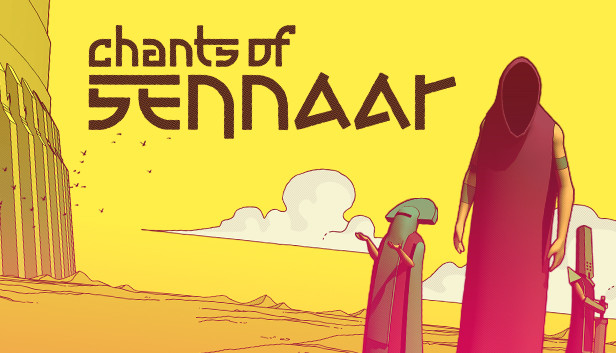
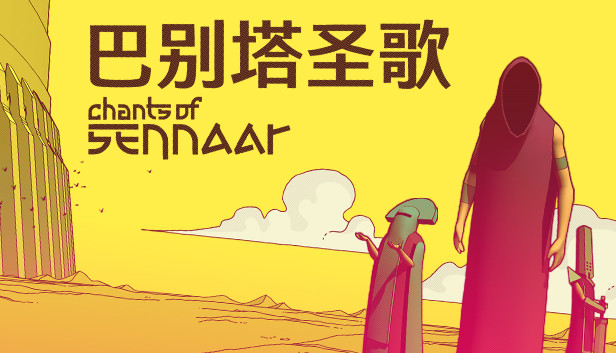
The accomplishment of Chants of Sennaar is not dressing up "guess the word from pictures" in exotic art direction. It makes language decipherment itself the structure of progression. Players infer meaning through environmental context, character behavior, and repeated symbols, then use acquired vocabulary to unlock new areas in return, creating a convincing sense of cognitive advancement. Its biggest difference from traditional puzzle adventures is that the answers are not hidden in mechanisms, but in the misunderstandings between civilizations.
10. There Is No Game: Wrong Dimension #
 GOG$6.42Steam $6.42Voir le prix →
There Is No Game: Wrong Dimension turns "clicking the wrong thing" into a complete puzzle language. Players do not advance by following system prompts, but by breaking rules, exploiting interface gaps, and treating errors and redirects as usable tools. There are many meta-narrative games, but most stop at the level of jokes. What makes this one stand out is that it embeds the joke directly into puzzle construction. Its chapter shifts keep changing up the approach, and the game avoids repetitive busywork almost entirely.
11. Strange Horticulture #
 Eneba$4.93Steam $4.93Voir le prix →
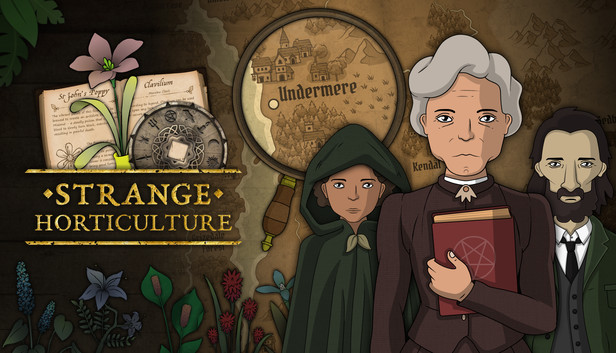
The strength of Strange Horticulture is not that it wraps hidden-object clicking in occult aesthetics. It uses plant identification, clue lookup, and map expeditions to build a low-frequency but steadily tightening deduction loop. Every time you open a book, compare leaf veins and flower shapes, or cross-check a clue, you are filtering information rather than brute-forcing a solution. Its real advantage is how effectively it gives desktop-scale interaction the texture of investigation: the rules are not complex, judgments have consequences, and branching endings let that identification system genuinely participate in narrative progression.
12. Grace #
 GOG$1.64-81%Steam $1.64Voir le prix →
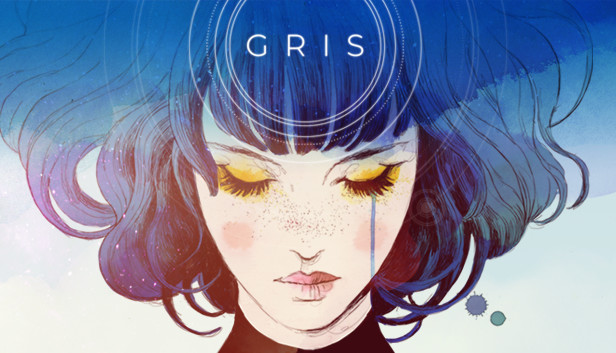
GRIS succeeds by making emotional change directly operable. Color restoration, environmental transformation, and ability unlocks all move forward together. There is almost no punishment, but the game never loses its forward pull. It does not aim for the precision and pressure of a traditional platformer. Instead, it creates emotional peaks through presentation, music, and spatial transition. What is genuinely rare here is the way it binds minimalist interaction to high-finish audiovisual design into a fully coherent experience.
What these 12 standout indie adventures share is not novelty of theme, but the fact that each turns "adventure" into something systemically legible. Whether they lean toward narrative, puzzles, survival, or action, the games that truly endure all answer the same question: beyond looking and sounding good, what is the player actually doing?





Commentaires 0
Votre avis nous intéresse
Participez à la discussion et partagez votre avis sur ce jeu.
Aucun commentaire pour l’instant. Partagez votre avis.