13 Best RPG Experiences That Define Immersion (2026)
Sélection de Delta 赵 · ·listDetail.views: 2,899 Commentaires
The heart of a role-playing game has never been about stats and loot—it's about making you believe you're living in another world. From neon-lit cyberpunk streets to the frozen lands of Norse mythology, from demon-infested Warring States Japan to epic voyages across ancient Greece—the 15 games on this list each answer the same question in their own way: what kind of RPG makes you forget reality? Some convince you through open-world freedom, others hook you with combat depth, and some burn their narratives straight into muscle memory. These aren't just high-scoring games thrown together—each one has set a benchmark within the RPG genre.
Role-playing games were never about stats and loot—they're about making you believe you're living in another world. From neon-lit cyberpunk streets to Norse mythology's frozen realms, from yokai-infested Sengoku Japan to epic voyages across ancient Greece—these 13 titles each answer the same question differently: what kind of RPG makes you forget reality? Some convince you through open-world freedom, others hook you with combat depth, and some burn their narratives straight into muscle memory. This isn't a simple high-score compilation—each game set a benchmark within the RPG genre.
Epic Game StorePLN 59.70-70%Steam PLN 59.70Voir le prix →
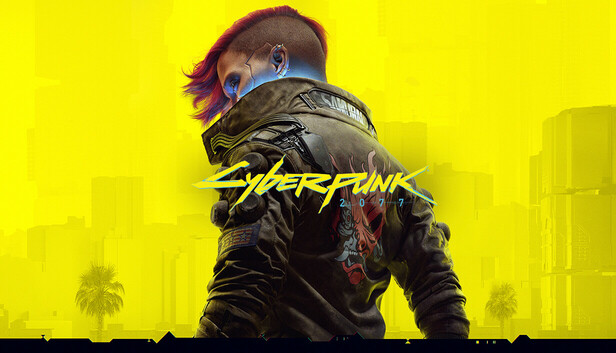
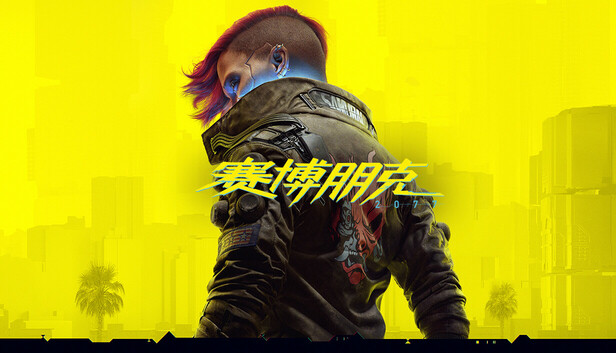
Image: 赛博朋克 2077
Night City isn't meant to be completed—it's meant to be lived in. You'll genuinely mourn a side quest NPC's death, get blindsided by environmental storytelling while buying ramen at a street stall, and watch one wrong dialogue choice spiral into completely different mission outcomes. CD Projekt pushed RPG choice branching to its limit—not surface-level good/evil binaries, but decisions carrying moral ambiguity and real weight. Johnny Silverhand isn't a companion tool—he's another soul arguing with you inside your head. This density of character work only matches Disco Elysium from the same era.
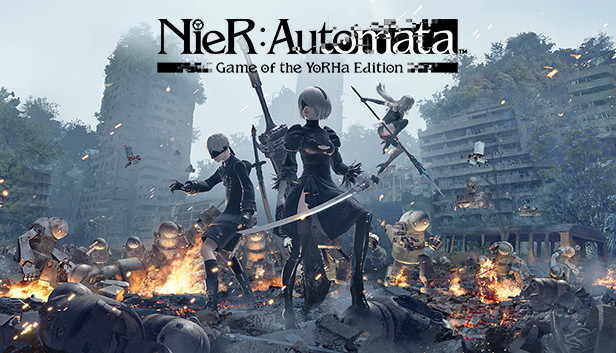
Image: 尼尔:自动人形
Yoko Taro turned the three-playthrough structure into gameplay itself—when you control 9S retracing 2B's path, when A2's route reveals the truth, when the final boss is the credits roll, you realize this isn't an RPG but an interactive philosophy experiment about existential meaning. PlatinumGames' combat keeps you awake through the contemplation, while Keiichi Okabe's score makes every frame of the ruined world carry post-apocalyptic beauty. This is the only game that asks you to delete your save file to help others after completion, and the only action RPG where "why fight" matters more than "how to fight."
Image: 战神:诸神黄昏
Norse mythology isn't a backdrop—it's a living narrative that collapses and rebuilds with your choices. The father-son dynamic evolves from God of War 2018's tentative probing into genuine side-by-side combat in Ragnarök, with Atreus no longer a sidekick but an independently thinking ally. Combat builds on the previous game with elemental reactions and weapon-switching combos—the Leviathan Axe and Blades of Chaos combo design makes every boss fight feel like violent ballet. Nine Realms exploration doesn't rely on map marker spam but plants clues through environmental storytelling—you'll detour to a cave because of NPC chatter and discover it's some deity's tomb. No one currently welds mythology, family drama, and hardcore action more seamlessly than Santa Monica Studio.
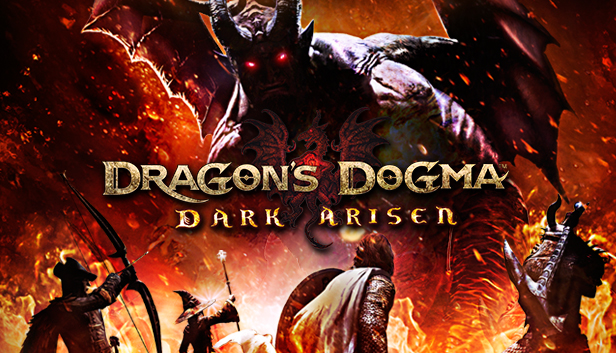
Image: 龙之信条:黑暗觉者
Capcom redefined single-player RPG companionship through the Pawn system. Your Pawns aren't simple AI teammates—they learn from your combat habits, inherit experience across playthroughs, and bring back new tactics after being hired by other players, functioning as living databases. Grabbing griffin wings mid-flight, climbing atop cyclops heads to stab their eyes—this physical combat interaction remained ahead of its time in 2016. Job switching is unrestricted, magic impact maxed out, dark labyrinths force torch exploration. It's rough but ambitious, the kind of old-school RPG that keeps you grinding gear and tweaking Pawn builds at 3 AM.
Image: 仁王2 Complete Edition
The most hardcore soulslike combat in a Sengoku setting—the Yokai Shift system makes you both hunter and monster. Compared to the first game's learning curve, the sequel's Burst Counter mechanics and Guardian Spirit switching elevate combat rhythm to another dimension—you must memorize each yokai's attack tells, execute Burst Counters within 0.3 seconds, then counter-kill using their own moves. Level design inherits Team Ninja's malice: trap mechanisms and enemy placements force spatial logic comprehension. This doesn't let you play hero—it turns you into a yokai through repeated deaths.
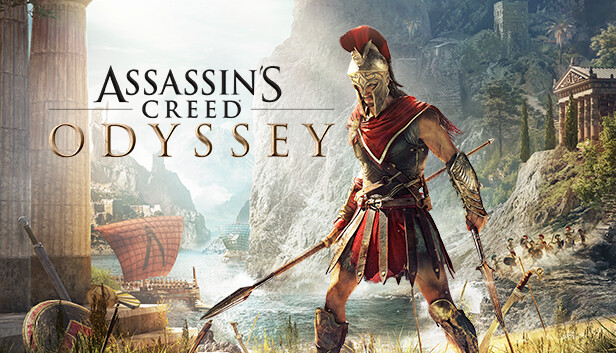
Image: 刺客信条:奥德赛
Ubisoft finally figured out how to do RPG—fully open up the Assassin gameplay and let you freely pick sides during the Peloponnesian War backdrop. Dialogue branches genuinely affect quest outcomes, the mercenary system makes every assassination feel like strategic chess. Aegean Sea exploration density is maxed, each island has independent mythological side quests, from the Minotaur to Medusa—mythological boss battle presentations go all out. This isn't traditional Assassin's Creed, but as an open-world RPG, it recreates ancient Greece into a place you actually want to inhabit.
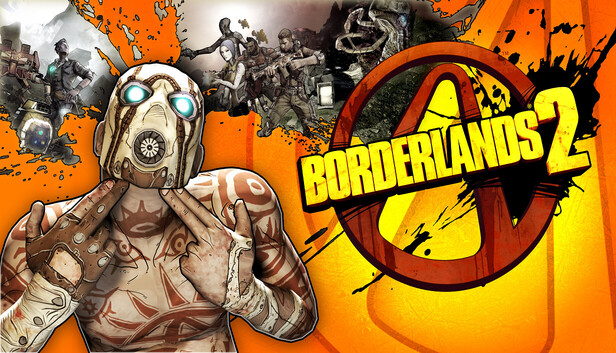
Image: 无主之地2
The textbook example of looter games. Four classes each have complete skill trees, but the real depth lies in legendary orange-tier modifiers and build crafting—the same gun plays completely differently under different configurations. Pandora's wasteland aesthetic and absurdist humor make it stand out among serious RPGs, but this irreverent shell wraps the most hardcore numerical systems. The co-op loot loop design remains the standard answer for looter shooters, with DLC quality staying consistent while expanding gameplay boundaries rather than just piling content.
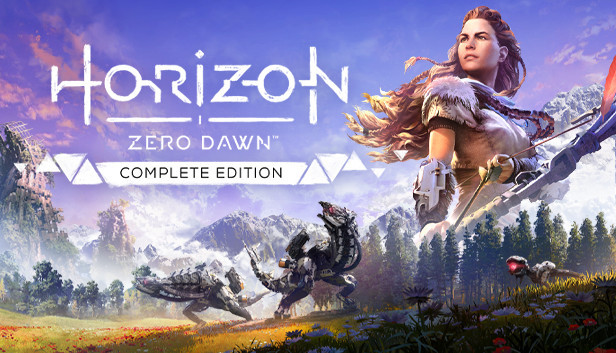
Image: 地平线:零之曙光 完整版
The most convincing world-building in post-apocalyptic settings. Machine creatures aren't simple monsters—they're part of the ecosystem. You must observe weaknesses, dismantle components, exploit environments—every battle feels like puzzle-solving. Aloy's growth arc and the world's truth revelation mesh perfectly; when you gradually piece together the old world's collapse, that impact far exceeds typical RPG plot twists. Open-world exploration density hits the sweet spot without losing you in meaningless side content.
Image: 永恒之柱
Obsidian proved CRPGs don't need compromise—16 controllable companions, over 600 skill combinations, every dialogue option creating chain reactions dozens of hours later. It doesn't use turn-based systems to lower barriers like Metaphor: ReFantazio, nor relies on action satisfaction like Dragon's Dogma, but fully returns to the RPG fundamentalist principle of "every decision has consequences." When you discover a seemingly trivial side quest choice becomes a critical variable in the main ending, you understand what true role-playing depth means.
Image: 破晓传奇
The Tales series' thirty-year accumulation completes a thorough self-revolution here. Real-time combat abandons traditional JRPG turn-based constraints—dodge counters and combo bursts make every encounter feel like a fighting game requiring move reads. Shionne's "untouchable" setting writes character relationships directly into combat mechanics—every coordination with her reinforces that tragic tension of "fighting side-by-side but unable to embrace." Unreal Engine 4's animated storyboards and facial capture set a new benchmark for Japanese RPG cutscenes. This is the first time the Tales series truly caught up with the times.
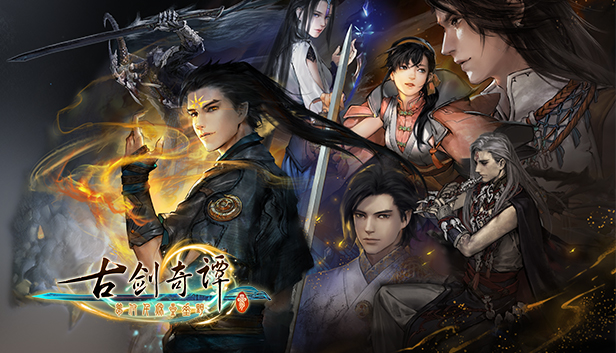
Image: 古剑奇谭三(Gujian3)
A rare domestic RPG that gives real-time combat actual action game feel. The Five Spirits system isn't simple attribute counters but mechanism design genuinely affecting combat rhythm—switching spirit forms changes skill sets, environmental triggers enable combos. This system shows real thought among similar games. Open-world completion passed the bar for 2018, but more importantly it proved xianxia themes needn't be trapped in turn-based and stat-stacking—real-time combat can tell Chinese fantasy stories just as well.
Image: 中土世界:战争之影
The Nemesis system transformed NPCs from background props into opponents with memory—orcs you decapitate return scarred for revenge, captains you humiliated hold grudges and get promoted. This dynamically generated enemy relationship network makes every encounter feel like personal vendetta. Combined with brainwashing enemy captains to build armies, you're not pushing the main story—you're writing your own Game of Thrones in Mordor. Siege battle scale and orc faction infighting drama completely shatter traditional RPG static quest chains, reassembling them into Middle-earth chaos where you never know who your next nemesis will be.
Image: 突变元年:伊甸之路
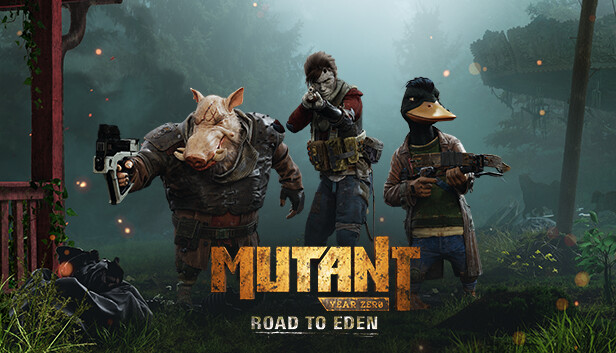
Cramming XCOM's tactical depth into wasteland exploration—this combo hits harder than it sounds. Stealth mechanics aren't decoration—you can quietly separate enemy formations for individual takedowns, or charge in and get taught by covering fire. The mutant duck and boar protagonist setup is absurd without being forced, wasteland atmosphere nailed. Turn-based combat inherits XCOM's hardcore nature: positioning mistakes mean instant wipes, but adds tactical preparation during real-time exploration phases. This "plan before action" rhythm is rare among similar games, suited for players who like thinking through fights.
From narrative-driven to combat-focused, Japanese to Western, these 15 works cover representative schools across the role-playing genre. Want to know what RPGs can achieve? This list is the most direct answer.
 Epic Game StorePLN 59.70-70%Steam PLN 59.70Voir le prix →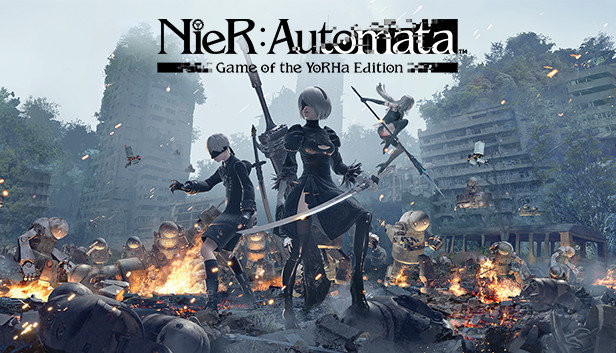
 EnebaPLN 37.54Steam PLN 37.54Voir le prix →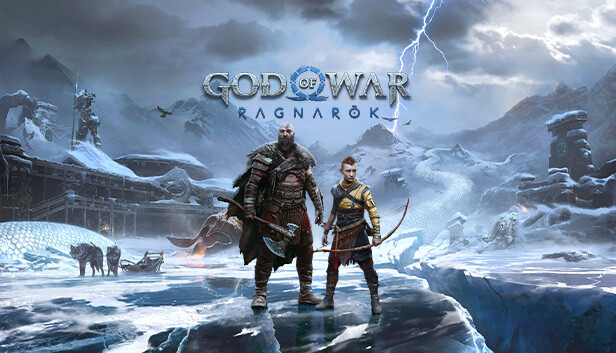
 KinguinPLN 14.32-89%Steam PLN 14.32Voir le prix →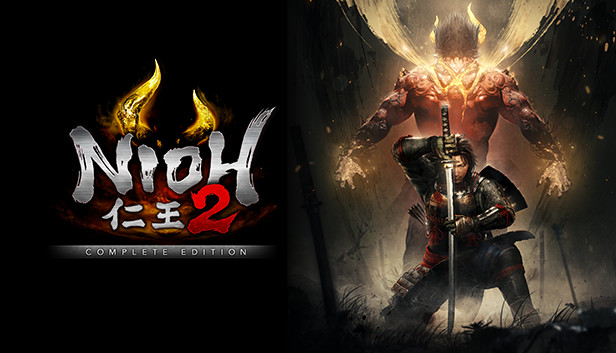
 GOGPLN 188.02Steam PLN 188.02Voir le prix →







Commentaires 0
Votre avis nous intéresse
Participez à la discussion et partagez votre avis sur ce jeu.
Aucun commentaire pour l’instant. Partagez votre avis.