Notizia
Valorant Women's Tournament Controversy: AI Poster and Transgender Eligibility Backlash
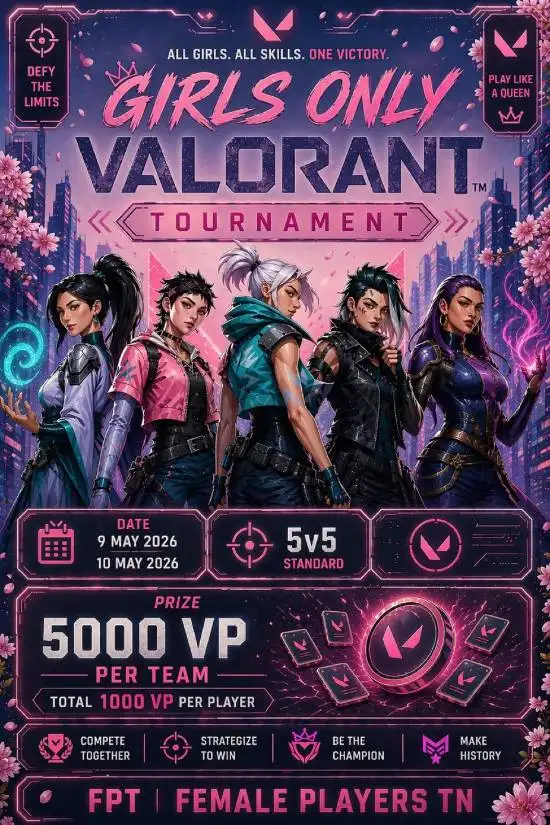
A Valorant women's tournament drew backlash over its AI-generated poster and rules restricting entry
















Over the years, watching the gaming scene, I’ve always placed streamers and older-generation players on the same jianghu roster. For someone to stay popular for so long, it takes more than just skill and punchlines; it takes a sense of boundaries, that bit of decency that makes people willing to follow. But sometimes, once a sentence leaves the mouth, it’s like the sword in a wuxia story that was meant for protection suddenly turning off course—damaging your own reputation before anyone else’s.
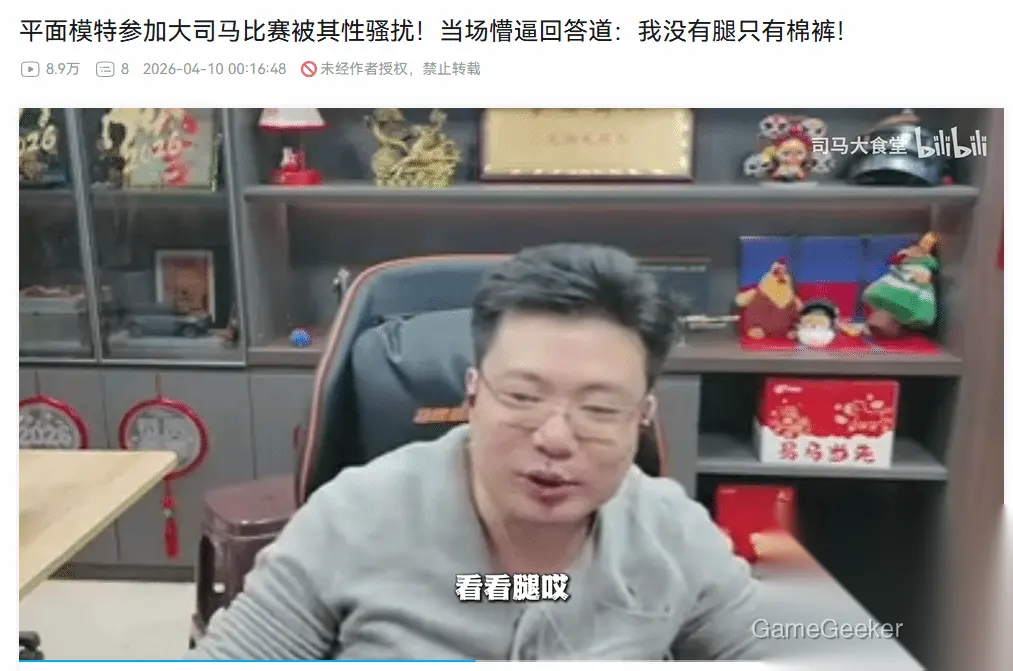
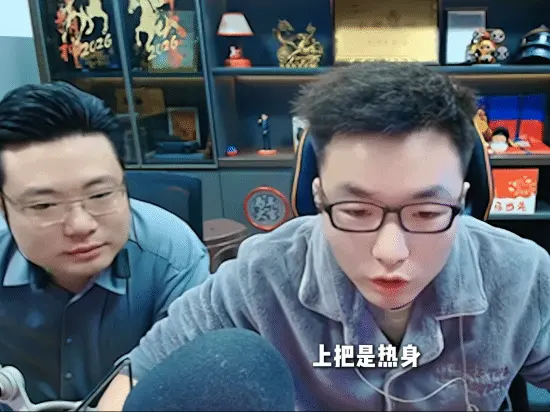
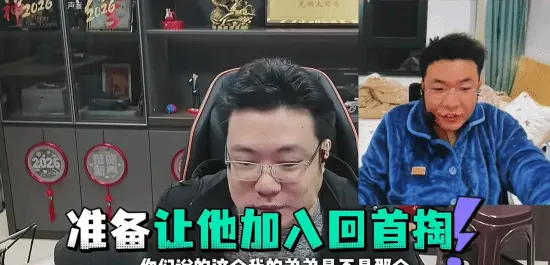
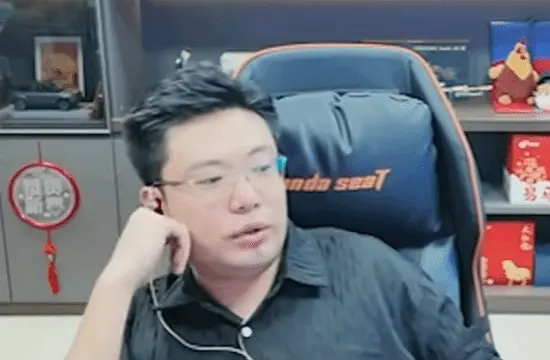
This time, the controversy was sparked when Dasima, while organizing a related competition and opening a voice link, asked the registered participant, print model and streamer “Tomato King,” to “show your legs.” The other party was visibly stunned on the spot, then could only awkwardly defuse the moment by saying she “had no legs, only cotton-padded pants.” Afterward, Dasima explained that this was not something he had said on his own initiative, but rather a repetition of the barrage of comments flooding the screen at the time.
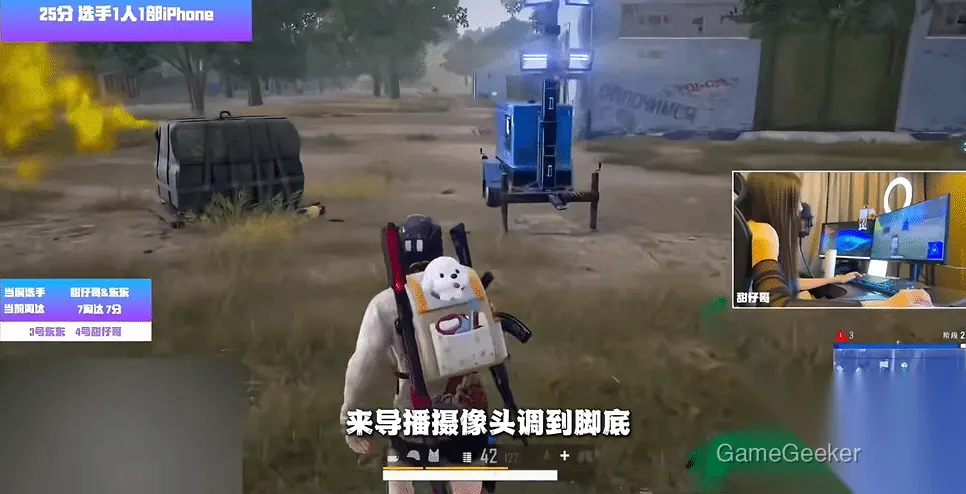
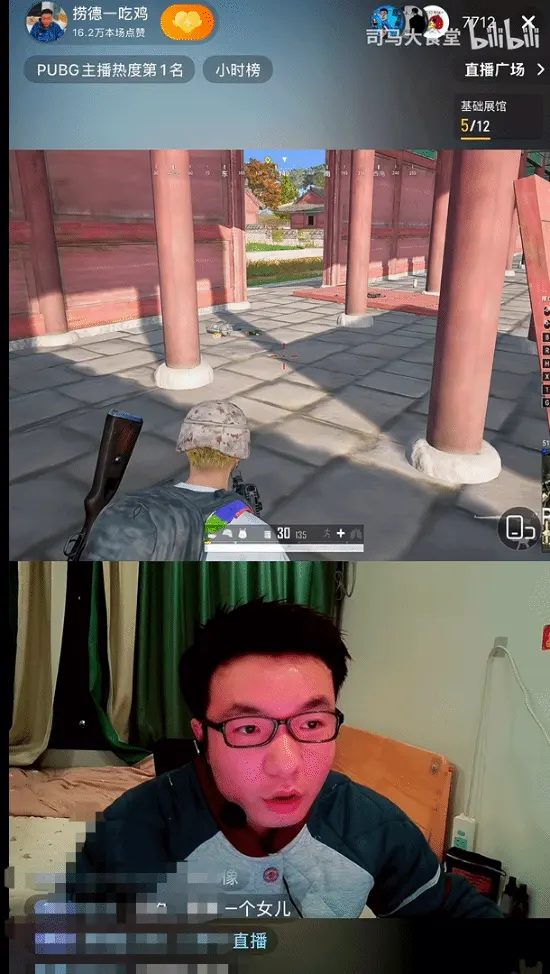
Returning to the game itself, the reason this incident has caused such a stir is not just because that one sentence sounded offensive, but because similar behavior is not an isolated case. Based on the information currently available, during a recent PUBG bounty tournament, Dasima also asked the director to cut to a close-up shot of a female contestant’s soles, claiming he wanted to check whether there was a “board” there in order to determine if she was cheating. One time can be called a slip of the tongue; twice, leaning in the same direction, is hard to brush off with a light “just a joke.”

Beyond nostalgia, what concerns me more is an increasingly dangerous trend in today’s livestreaming world: using bullet comments as a shield, turning offense into “show effect,” and treating awkwardness as livestream sugar. But the problem is, just because the barrage can egg things on doesn’t mean the streamer should accept it wholesale; just because viewers can make boundary-blurring jokes doesn’t mean the host can throw them unchanged at the person on the other end of the voice link. Especially in competitions and public interaction settings, what female streamers and female players need is to be treated as participants and competitors—not to be further consumed by the camera and by rhetoric.
Judging from feedback in the player community, the point of dispute is also very clear: some people think this was just an old-school streamer going along with the atmosphere and picking up the joke, while others believe it had already crossed the line of basic respect. I lean more toward the latter. Because when judging whether something counts as harassment, the key is not whether the speaker can prove they had no malicious intent, but whether the person being spoken to was forced into embarrassment. That improvised attempt to smooth things over sounded witty on the surface, but the more you think about it, the more chilling it feels.
But looked at calmly, this incident is also a reminder to the entire game content industry. Tournaments, voice-link interactions, and livestream antics can all have that jianghu flavor; they can be lively, entertaining, and full of punchlines—but they cannot rely on other people’s physical traits as bait. The more influence a streamer has, the more they should understand what it means to pull back and what it means to leave things unsaid. If you really want livestreaming to last, what it relies on has never been this kind of boundary-pushing cleverness, but rather what good wuxia once had: liveliness with restraint, and sharpness with dignity.

Commenti 0
Ci interessa la tua opinione
Benvenuto! Raccontaci cosa pensi di questo gioco: chi arriva per primo potrebbe avere una sorpresa.
Ancora nessun commento. Scrivi il primo.