Notizia
PS5 Could Get Pricier Again as AMD Warns of Memory Price Hikes This Year
AI-driven demand is set to tighten memory supply in the second half, pushing up gaming hardware cost
















Every time I see the words “upgrade configuration,” I first think of that awkward feeling: all I want is for my games to run a bit more smoothly, yet the hardware market seems to push ordinary players to the edge of the story. Especially with this news about Samsung locking in long-term AI memory contracts, it’s really hard to feel relaxed after reading it.
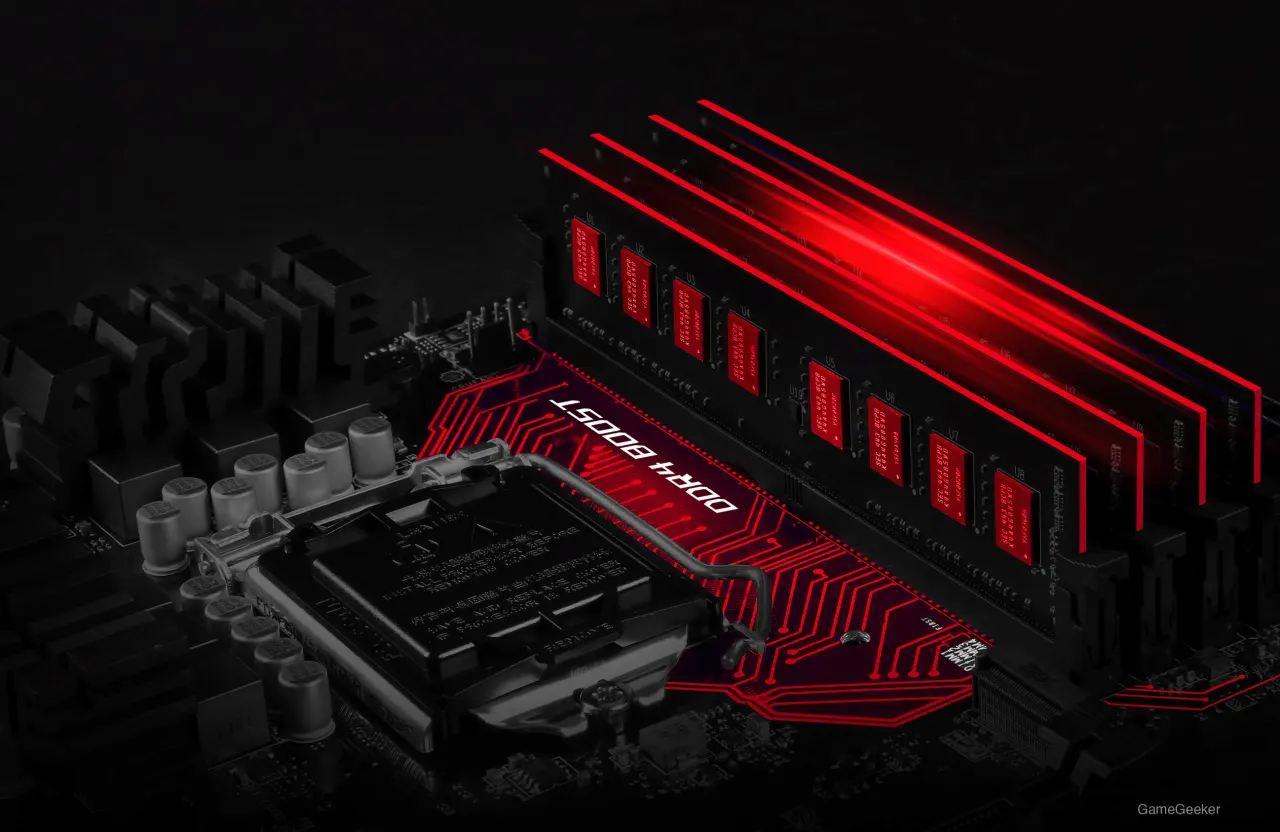
According to Korean media, Samsung is negotiating multi-year memory supply contracts with tech giants such as Google and Microsoft, with the core idea being to lock in production capacity for the next few years in advance. In terms of who holds the strongest position this time, it’s clearly not the consumer market, but the AI businesses of major corporations. Custom ASICs like Google’s TPU, Microsoft’s Maia, and Meta’s MTIA all require stable high-bandwidth memory for inference deployment, and HBM demand is no longer simply a matter of “expanding along with data centers.”
What struck me most about this is that it feels like resources in a relationship being promised away in advance, so anyone who comes later and wants to get closer can only accept a higher barrier. The report mentions that these kinds of contracts generally include fixed purchasing commitments of 3 to 5 years. Although pricing is tied to spot indexes, there is also downside protection. For manufacturers like Samsung and Micron, this is of course very comfortable: they can see demand ahead of time, feel confident accelerating capacity expansion, and avoid the kind of price collapse that used to happen when inventories piled up too high.
But what pulls me out of it is that this “stability” is hardly meant for ordinary consumers. Once long-term contracts are signed, new capacity will flow first to the more profitable AI and HBM sectors, which pushes back the window for consumer DRAM prices to fall. The industry originally expected supply tightness to ease around mid-2027, but that outlook is now clearly becoming unstable.
The data is also very straightforward. In 2025, DDR5 prices have already risen by more than 50% compared with the beginning of the year, while the premium on HBM3E has reached 5 to 7 times that of standard DRAM. With that gap sitting right there, it’s really not hard to guess where manufacturers will allocate their capacity. To put it bluntly, AI is like the protagonist taking all the team’s resources, while players can only keep waiting for resupply.
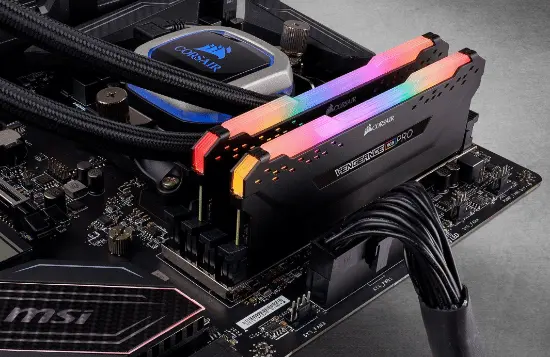
If you’re a gamer preparing to build a PC or upgrade your memory, my advice is very practical: if it’s a necessity, don’t keep holding out for some “big price crash”—there’s no especially friendly turning point in sight in the short term; if it’s only a light upgrade, prioritize assessing whether you really need high-frequency DDR5, because in many cases capacity affects the experience more than specifications do. For gamers, rational purchasing matters more than chasing trends.
I can understand manufacturers pursuing profit, and I know the AI wave is not going to suddenly recede. But from a player’s perspective, this shift still feels a little disappointing. It’s not that we can’t accept technology moving forward—we just don’t want ordinary people to end up like supporting characters whose lines are quietly cut every time the industry writes a new chapter.

Commenti 0
Ci interessa la tua opinione
Benvenuto! Raccontaci cosa pensi di questo gioco: chi arriva per primo potrebbe avere una sorpresa.
Ancora nessun commento. Scrivi il primo.