What I value more in this tier is not “it counts as horror as long as there are monsters,” but whether the sense of dread is truly woven into the gameplay: does exploration constantly generate unease, can the combat and progression systems serve the feeling of oppression, and do the narrative and level design support a complete experience. By that standard, the top entries are basically the ones that most convincingly combine thematic expression with RPG structure: some deliver lasting impact through environmental storytelling and world design, while others pull you into deep waters through resource management, the cost of choice, and sustained suspense. If what you’re looking for isn’t just something scary, but horror-thriller RPGs with strong overall quality, polish, and reputation, you can follow this ranking list directly.
What I value more in this tier isn’t “if there are monsters, it counts as horror,” but whether the suspenseful atmosphere is truly pressed into the gameplay itself: does exploration constantly generate unease, can the combat and progression systems serve that sense of oppression, and do the narrative and level design sustain a complete experience. By that standard, the top entries are basically the works that most solidly combine thematic expression with RPG structure: some rely on environmental storytelling and world design for lasting impact, while others drag you into deep water through resource management, the cost of choices, and persistent tension. If what you’re looking for isn’t just something scary, but horror-thriller RPGs with strong overall quality, polish, and reputation, you can follow this ranking directly.
Image: Look outward
Tags: Adventure, Role-Playing, 2, 22, 23
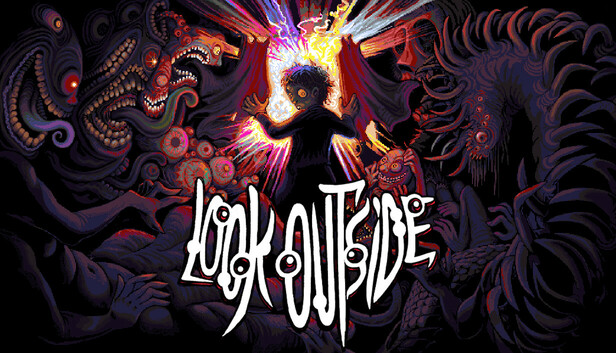
Look Outside turns the taboo of “don’t look” directly into its core mechanic, and the confined setting of a single apartment building instead creates an intense sense of oppression. It doesn’t rely on piling on monsters for cheap scares, but keeps tightening your nerves through line-of-sight rules, neighbor-focused exploration, and survival management: every time you open a door, search a room, or interact with a resident, it feels like testing the boundaries of the catastrophe. Its RPG progression and resource allocation never steal the spotlight either—they serve that increasingly uneasy struggle to stay alive perfectly, making the theme and systems feel exceptionally cohesive.
Image: Dredge
Tags: Adventure, Role-Playing, 2, 22, 29
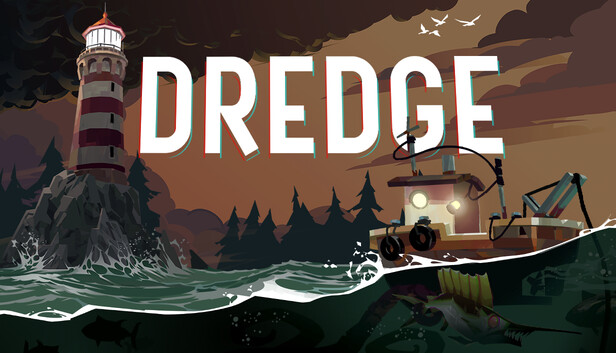
DREDGE is at its strongest in how it turns “working at sea” into a loop of constant pressure: by day, you plan routes, fishing spots, and profits; by night, visibility shrinks and sanity begins to fluctuate, so movement, greedy detours, and resource allocation immediately become risk assessments. It doesn’t win through jump scares, but by embedding a Lovecraftian sense of unease firmly into the gameplay through ship upgrades, cargo management, and regional exploration. The pacing is restrained, and the lingering impact is strong.
Image: Elden Ring
Tags: Action, Role-Playing, 2, 1, 49
Strictly speaking, Elden Ring isn’t a traditional horror game, but it delivers top-tier oppression through the fear of the unknown: catacombs, ruined villages, the Eternal City, and the Frenzied Flame regions all create sustained tension through art direction, enemy placement, and terrain visibility. Its strength isn’t just that it feels “creepy,” but that dense exploration and build freedom coexist, so behind every next door you might run into an overwhelming threat. Its depiction of a world slipping into disorder leaves a particularly powerful aftertaste among ARPGs.
Image: The Witcher 3: Wild Hunt
Tags: Role-Playing, 2, 22, 29, 30
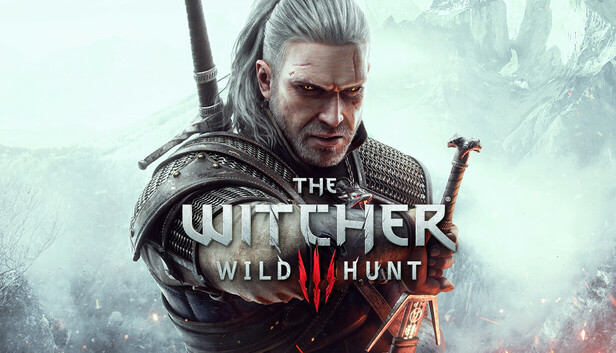
The Witcher 3 doesn’t rely on cheap scares. Its strength lies in weaving folklore horror, the trauma of war, and the grayness of human nature directly into its quest structure. Nearly every witcher contract feels like a short horror story: first you investigate clues, read the monster bestiary, prepare oils and potions, then enter a targeted battle—the whole flow is complete and immersive. What truly makes it exceptional is that many “monsters” are tied to uglier realities beneath the surface, so the sense of dread doesn’t stop at atmosphere, but lands in choices and consequences.
Image: Vampire
Tags: Action, Role-Playing, 2, 22, 29
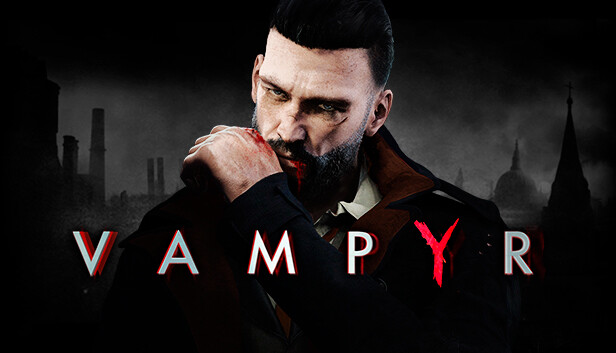
Vampyr is at its best in how it turns the identity conflict between “doctor” and “predator” into a core system: the more you learn about the citizens, the greater the reward for feeding on them—but the more the district’s order collapses as a result. London during the 1918 epidemic is cold, damp, and oppressive, tightly bound to its semi-open district investigations, dialogue choices, and combat progression. Its action isn’t top-tier, but its moral cost, side-quest interconnections, and atmosphere do give it a bleak lingering weight that’s rare among other ARPGs.
Image: Exorcist: Ghosts of New Eden
Tags: Action, Adventure, Role-Playing, 2, 22
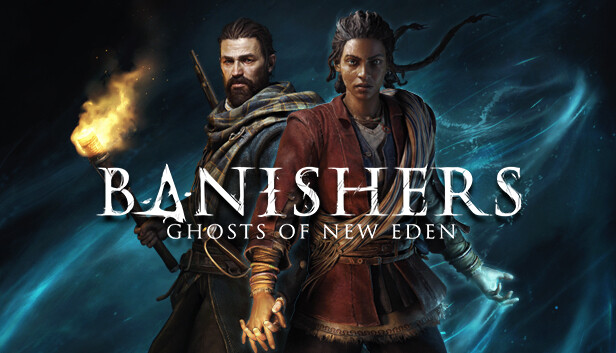
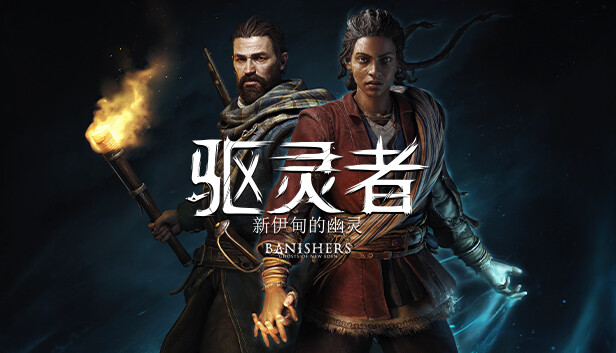
Banishers stands out by turning “ghost banishing” into an RPG structure built around meaningful trade-offs: you investigate obsessions, question the living and the dead, then choose between release or sacrifice, with consequences feeding back into side quests, relationships, and the ending. It doesn’t win through frequent scares, but gradually solidifies its oppressive tone through a damp colonial setting, spirit possession, and emotional ethics. The combat leans steady and deliberate, and the two-protagonist switching ties narrative and gameplay together more tightly than most of its peers.
Image: Remnant: From the Ashes
Tags: Action, Adventure, Role-Playing, 2, 1
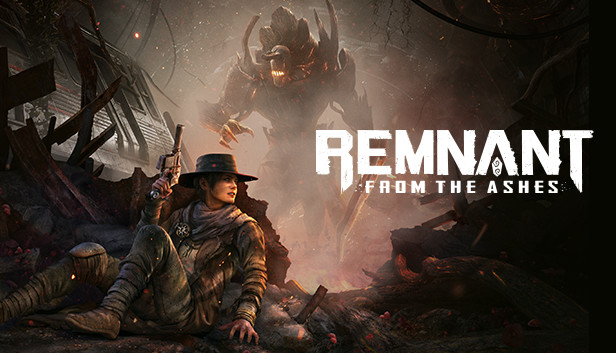
It doesn’t rely purely on in-your-face scares, but instead twists post-apocalyptic wasteland, otherworldly corruption, and Souls-like exploration into a high-pressure rhythm. Randomized maps and events keep the unknown ever-present, while ambushes around corners, tight resources, and oppressive boss mechanics all keep the pressure high. The firearm-and-skill-mod build system also ensures combat is more than just suffering, and cooperative play amplifies that anxiety of being relentlessly hunted by a monstrous world.
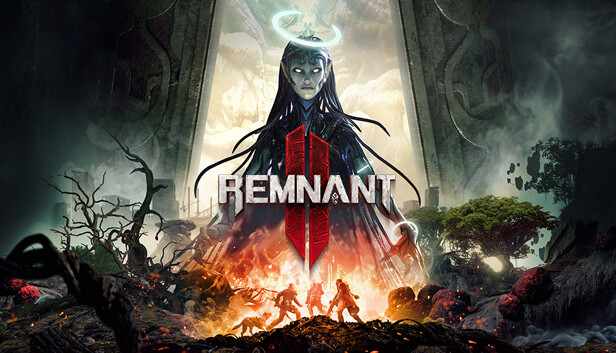
Image: Remnant 2
Tags: Action, Adventure, Role-Playing, 2, 1
Remnant 2 is strongest in how it turns “the pressure of the unknown” into a playable structure: procedurally generated world lines, events, and side quests mean you’re never sure what lies beyond any given door, and the horror comes from sustained unpredictability rather than one-off scares. Its Souls-like shooting feels solid, the class and mod combinations offer plenty of room to experiment, and its boss mechanics demand sharper pattern reading and coordination. It isn’t the purest horror RPG, but it achieves a notably high level of polish between combat, exploration, and uncertainty.
Image: BioShock Remastered
Tags: Action, Role-Playing, 2, 22, 29
The horror in BioShock Remastered isn’t centered on jump scares, but on the very premise of a “ruined utopia.” The underwater utopia is both intoxicating and rotten, and audio logs, environmental detail, and enemy behavior all work together to keep tightening the oppressive mood. In gameplay, it isn’t just straightforward shooting either: plasmid powers, hacking, ammunition, and resource allocation constantly force you to think on your feet. The Big Daddy and Little Sister pairing is especially brilliant, creating both intimidation and a real moral tension within the flow of progression.
Image: BioShock
Tags: Action, Role-Playing, 2, 62, 18
What makes BioShock remarkable isn’t just that its underwater utopia is creepy, but that the entire gameplay structure reinforces the idea of a world out of control. The ruined city of Rapture builds its pressure layer by layer through audio logs, enemy behavior, and environmental detail, making the collapse of idealism feel concrete and oppressive; the dual-track combat of plasmids and weapons also keeps you wavering between “becoming stronger” and “becoming distorted.” It doesn’t depend purely on jump scares, but tightens the sense of unease all the way through with its worldbuilding, narrative twist, and resource tension.
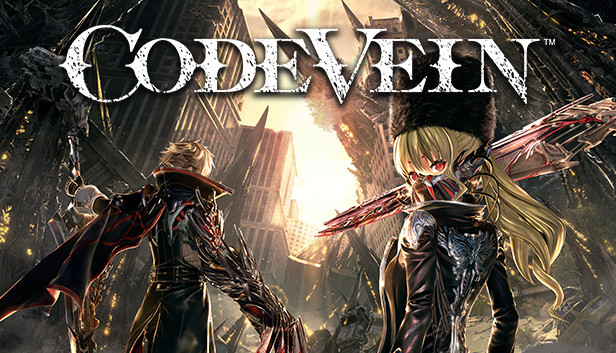
Image: Code Vein
Tags: Action, Role-Playing, 2, 1, 9
It doesn’t succeed through sudden shocks, but by turning “vampiric survival” into its core pressure: ichor, Blood Codes, and companion combinations keep combat revolving around risk and resources at all times. From the ruined city and the Cathedral of the Sacred Blood to the memory corridors, its locations carry a distinctly post-apocalyptic gothic feel, and the oppression lands more solidly than its conventional anime-style appearance might suggest. Compared with peers that lean more purely into action or narrative, its strength lies in twisting class builds, co-op support, and vampire themes into a unified Souls-like framework.
Image: State of Decay 2: Juggernaut Edition
Tags: Action, Role-Playing, Simulation, 2, 1
State of Decay 2 excels by turning apocalyptic anxiety into an everyday loop: scavenging, hauling supplies, building, and standing watch, with every step negotiating resource shortages, permanent character death, and sudden zombie hordes. It doesn’t win through isolated scares, but by steadily tightening your nerves through base management and open-map pressure. Especially in co-op, mistakes made on outings can directly backfire on the entire community, and that oppressive feeling of “staying alive always comes at a cost” is rare among its peers.
This ranking prioritizes works that truly build horror and suspense into their systems and gameplay flow. They don’t rely solely on striking visuals or novelty, but on the interlocking of atmosphere, exploration, progression, and combat—leaving behind clear, memorable impressions long after you finish playing.
 GOG$3.73-40%Steam $3.73価格を見る →
 Kinguin$5.86-80%Steam $5.86価格を見る →
 GAMIVO$44.28Steam $44.28価格を見る →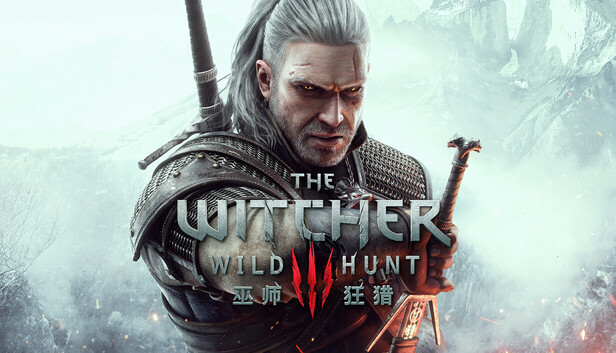
 Eneba$8.56Steam $8.56価格を見る →
 Fanatical$4.29-79%Steam $4.29価格を見る →





コメント 0
ご意見をお聞かせください
このゲームについての感想や評価をお寄せください。
コメントはまだありません。最初の一件をどうぞ。