ニュース
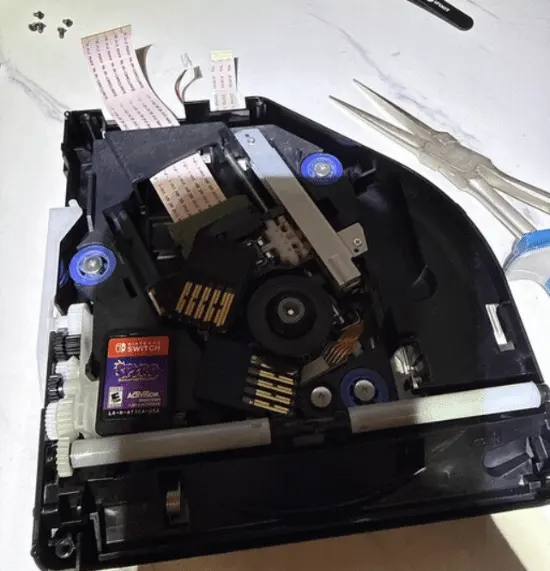
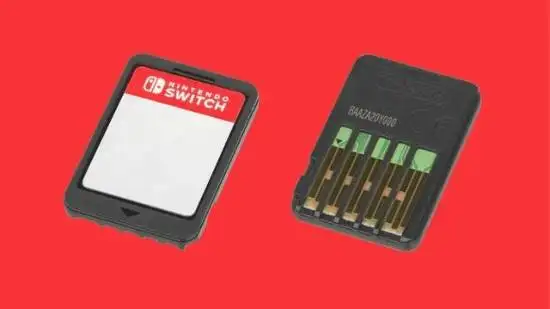
Luigi's Mansion 3 Somehow “Killed” a PS5 Disc Drive in a Switch Cartridge Stunt
A father opened a PS5 to find the disc drive jammed with Nintendo Switch game cards, turning a baffl
















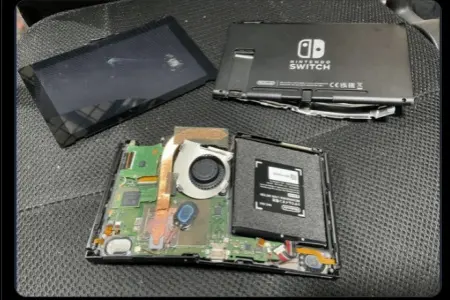
Whenever a trending topic related to the Switch appears, people usually think of new releases, promotions, or which game helped someone get through another weekend. But this time, the focus is neither a game cartridge nor a release schedule, but a Japanese ninth-grade student and a smashed console. Recently, a post by this student on social media sparked widespread discussion. The story itself is not complicated, yet it feels like a family side quest with no save point, and the ending is hard to simply skip past.
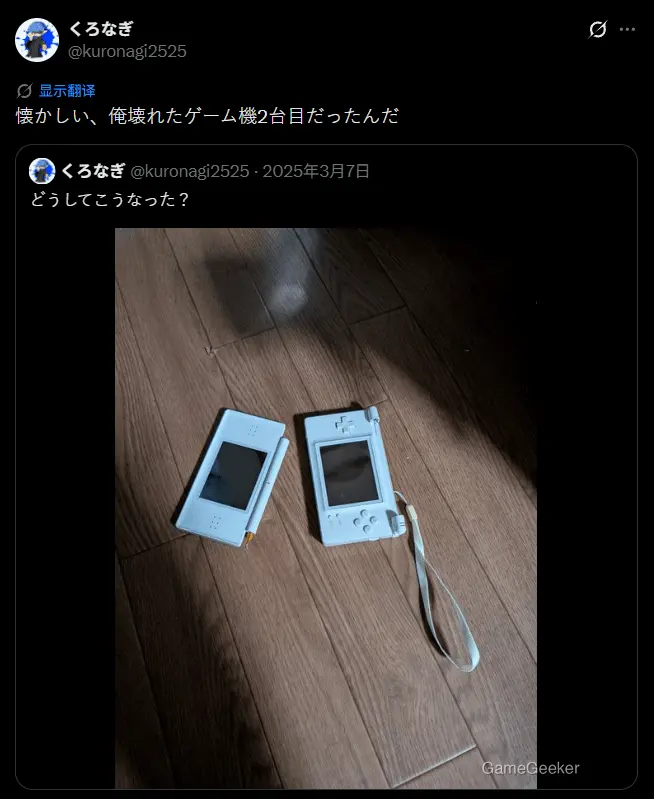
According to publicly circulated information, the student posted on April 6 saying, “It’s the first day of my ninth-grade year, I’m heading to school.” Then on April 7, he updated again, saying that the Switch he had secretly hidden had finally been discovered by his parents, and that he would no longer be able to play games. What caused emotions online to escalate even faster was his later addition that this was not the first time his parents had destroyed his game console.
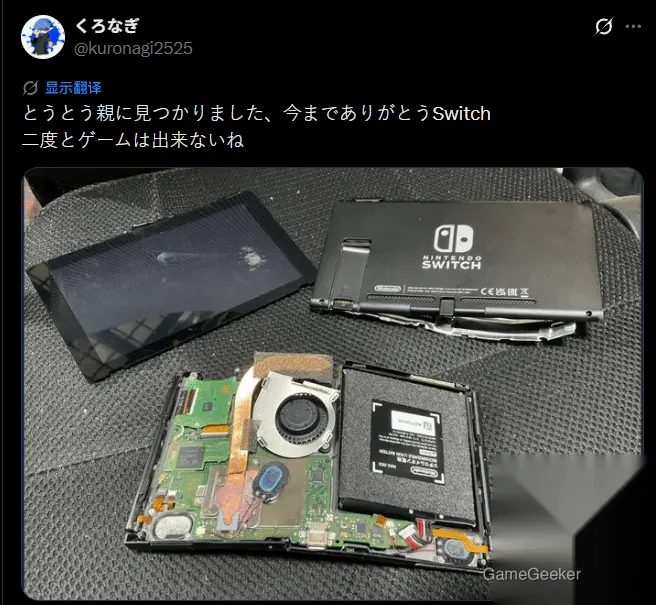
After the incident spread on Twitter, the mainstream public reaction did not spend long debating “whether children’s gaming should be controlled.” Instead, attention quickly shifted to the way the parents handled the issue. Many comments argued that directly smashing a child’s personal belongings is in itself an obviously excessive act, even bordering on psychological harm. Some put it bluntly: “Parents who can only discipline their children by smashing things are really not fit for it.” That statement stings because it gets to the heart of the matter—education is not dismantling a machine, and smashing hardware will not repair a relationship.

Of course, the discussion did not consist of just one perspective. A small number of commenters believed that although the parents went too far, the child should also reflect on whether gaming addiction had really affected his studies and daily routine. This view is not entirely unreasonable, but the issue is that limiting entertainment time and destroying property are two completely different paths. The former is about rules; the latter is more like an emotional outburst. The former still leaves room for negotiation, while the latter only pushes a family from “management” into “confrontation.”
Judging from the response in gaming communities, what many people are truly worried about is not the loss of a Switch, but the long-term consequences of handling things this way. Some netizens suggested that the student should start planning for independent living as early as possible in the future, such as studying in another city, while others reminded him to keep relevant evidence in case he might need to defend his rights later. These comments sound heavy, but that is precisely what shows that onlookers no longer see this as an ordinary “small episode in family education,” but rather as a warning sign that could affect the parent-child relationship and mental well-being.

If this incident is placed back into a broader context, it is in fact a microcosm of today’s family conflicts over gaming. Parents worry about academic performance, children need an outlet, and so the game console becomes the most visible—and the easiest—target to take the knife to. But smashing a Switch will not automatically produce a more self-disciplined child; if anything, it may foster the next stage of conflict—one that is better hidden and even harder to communicate through. For parents, something more effective than “confiscating the device” may be setting clear time limits, establishing rewards and consequences, and mutually defining boundaries. For players, especially minors, it is just as important not to treat games as their only safe haven.
At the end of the article, a poll was launched to discuss “whether parents smashing their child’s game console is going too far.” In my view, this question is actually not hard to answer: you can supervise, but you cannot smash; you can set rules, but you cannot dress up anger as education. A Switch can be bought again, but once trust is shattered, it is often even harder to repair than a cracked screen.

コメント 0
ご意見をお聞かせください
コメント欄へようこそ。このゲームの感想を聞かせてください。一番乗りにはうれしいことがあるかも。
コメントはまだありません。最初の一件をどうぞ。