
News
Bunny Garden 2 Adds Twin-Tail Lolita Roro in New Update
Bunny Garden 2's new 10-second trailer shows a twin-tailed lolita character in a sweet-yet-cutting promo. With six heroi
















A Viral Thread in China Remembers the Blizzard That Lip-Synced Every Language
A post about Blizzard's faded glory is stirring heated debate across Chinese gaming communities. The thread pits the studio's golden-age reputation against its current one, and one example keeps coming up: when StarCraft II was revealed around 2007, Tychus Findlay's dialogue in the cinematic was lip-synced separately for every language version. Voice-driven facial animation along the lines of FaceFX already existed in the industry at the time—it was used for 3D character portraits, cutscenes, and real-time conversations—but hardly any publisher paid to re-rig mouths for each dub. For the players in that thread, the gap is the whole story.
My own history with Blizzard starts in an internet café, at the lowest point for Chinese single-player games. Wuxia RPGs were barely holding on while every machine in the café ran Warcraft through the night. For those of us who grew up on Chinese Paladin, it was hard to put the feeling into words. Back then, Blizzard was the Shaolin temple the whole scene looked up to.
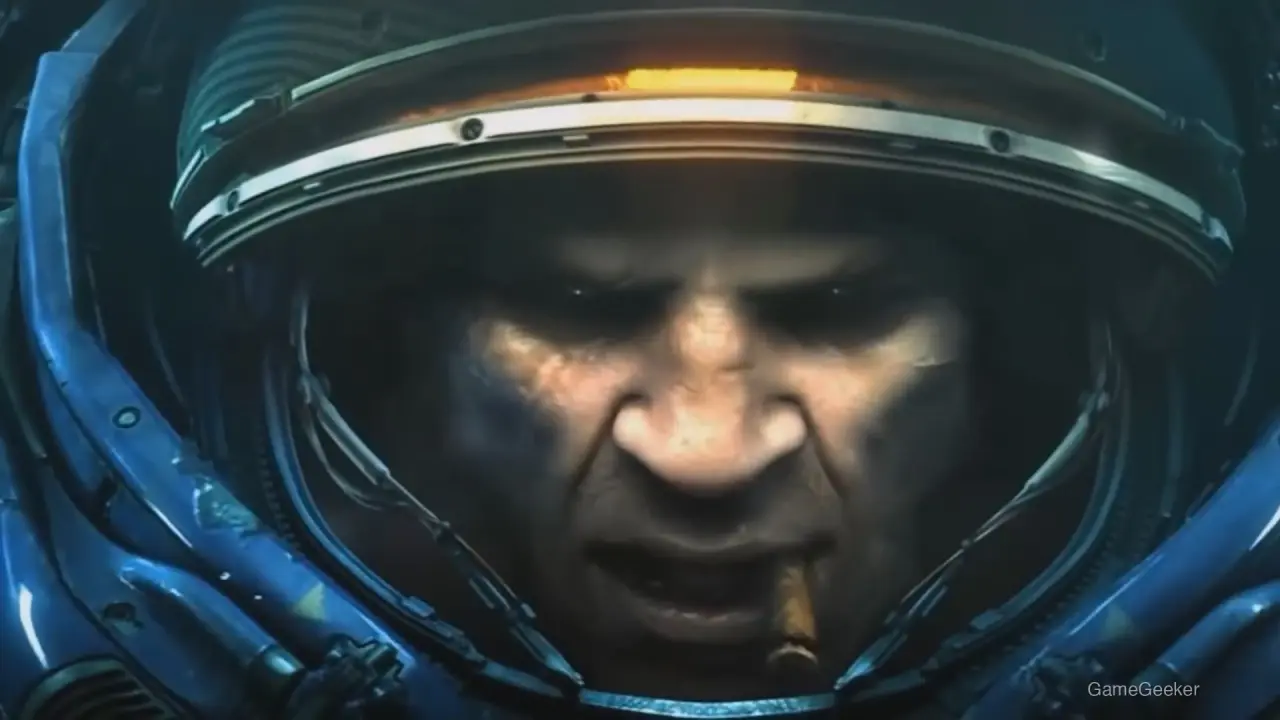
Back to the detail that started the thread. In the years around that StarCraft II reveal, Tychus Findlay's lines were re-synced for every language track. The FaceFX-style technology was available to everyone; the willingness to spend on it was not. Most players would never notice the difference. Blizzard spent the money anyway, and in the thread's telling, that is exactly what old Blizzard quality meant. The phrase "if Blizzard made it, it was a masterpiece" was never an ad slogan. It was a consensus built over years, one legitimate copy at a time, by a generation of players.
The line in the thread that lands hardest is quieter: many of today's loudest "Blizzard haters" were once the company's most devoted fans. Haters aren't born. They're made, disappointment by disappointment. One player argues the developers used to steer Blizzard's products while commercial considerations steer them now—his personal read, not an established fact. Even so, set that reading against Blizzard's recent record, and rebutting it takes more confidence than most old fans can muster. We spent those years scolding Chinese games for not trying hard enough. The old Blizzard faithful now know exactly what that bitterness tastes like.

Step back, though, and the story is bigger than Blizzard. Chinese games once cut corners too—reskins, rushed jobs, nostalgia-baiting—and took plenty of abuse for all of it. What's been winning that reputation back in recent years is the same stubbornness old Blizzard had: grinding away at details no player will ever see. A grandmaster going gray is a sad sight, but the rules of the jianghu haven't changed. Take players seriously, and they'll put you on a pedestal.

StarCraft, Diablo, World of Warcraft—those names carried a generation through its internet-café years. That youth is over, the grandmaster's hair has gone white, and it's someone else's turn to carry the sword. The hope here is that the Chinese studios now on the rise remember the lesson: a reputation takes twenty years to build and only a few clever business deals to tear down.



Comments 0
Share your game review
Join the discussion and share your review of this game.
No comments yet. Share your review.