News
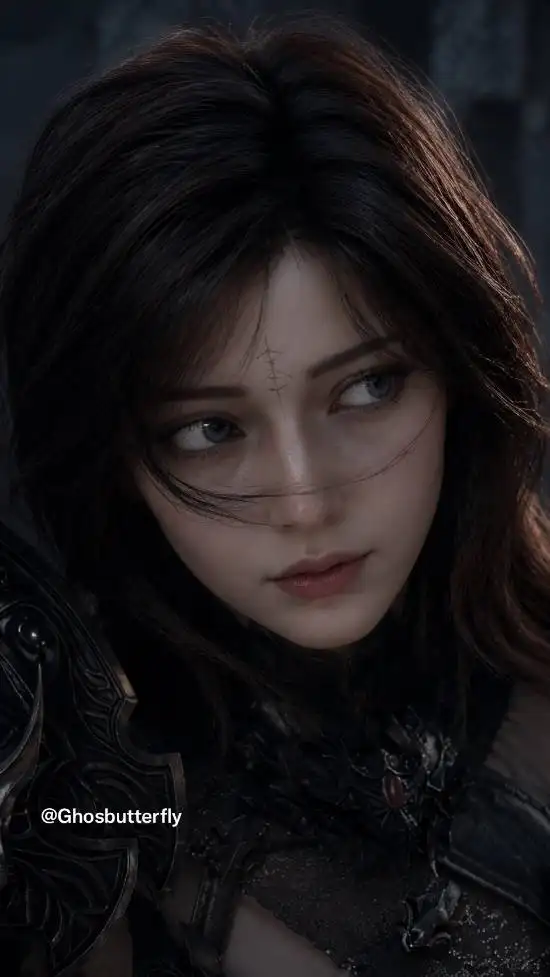
Tide of Annihilation's New Heroine Design Sparks Controversy as Players Compare Her to Dilraba
湮灭之潮’s update to Gwendolyn’s look has sparked debate over her more “Asian” appearance, with some com
















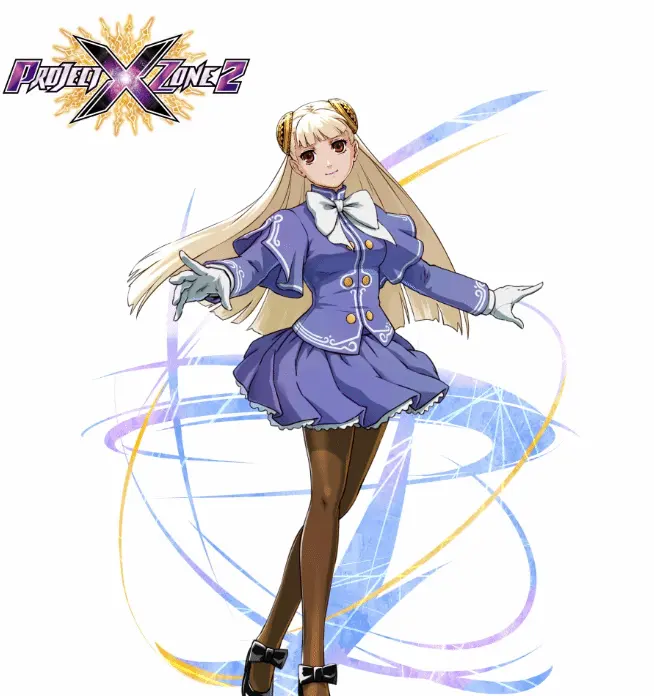
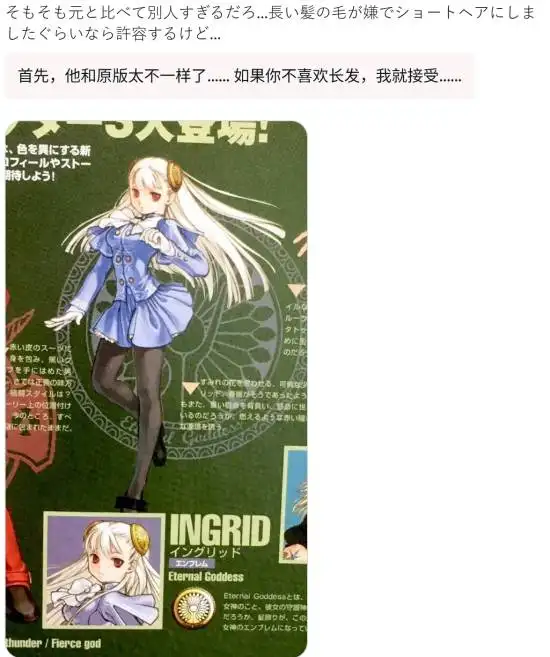
When I first opened the webpage and saw that comparison image, I felt a bit dazed: on the left was Marie Rose sculpted by decade‑old technology, on the right was Ingrid who only “grew up” in the Reiwa era. The screen looked as if it had been roughly split into two strips of aged film—one side with a soft filter, the other so sharp it was almost cold.

The recent debate among Japanese players circles around the “face-changing history” of Capcom’s female characters. The core point is actually very simple, yet hits a nerve: even though the technology has advanced dramatically and polygon counts have multiplied several times over, what they find “better looking” are instead those girls from ten years ago—natural, relaxed, like they’ve walked straight out of a romantic comedy shot—not the current batch of characters with realistic bone structures paired with doll‑like big eyes. Looked at another way, this isn’t some light, throwaway “good‑looking or not” complaint, but a collective shaking of heads at the company’s overall aesthetic direction for its female characters.

If we only stare at each face in isolation, it’s easy to misread the debate as a simple taste difference—“you like 2D anime style, I prefer realism.” But the deeper issue is whether the character has come alive as a person within the model, rather than just a display skin. Players mock the current eyes for looking like a doll’s, and this combo of realistic base plus forcibly enlarged eyes calls to mind those films that try to shoot black comedy as if it were a Hollywood family movie: formally they borrow from both sides, but in terms of vibe they don’t stand firmly anywhere. As a result they lack both exaggerated cuteness and convincing breathing realism. The fact that Ingrid is considered cuter in 2D illustrations essentially comes down to lineart and color blocks still leaving room for imagination, whereas the 3D model tries to nail everything down, yet fails to add that vital breath of character that should animate her personality.

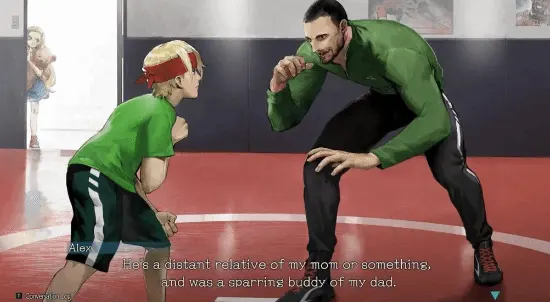
Back in Street Fighter 6, the players’ jokes get a bit biting—some suspect the default hairstyle was deliberately made “weird,” like an action movie that could have told its story perfectly straight, yet insists on slapping a ridiculous wig on the protagonist for the first half hour, just so it’ll feel more reasonable to sell a “take off the wig DLC” plot later. On the narrative level, hairstyle is no small matter; it’s often our very first impression of a character, the most direct symbol of their personal aura. When that symbol is handled in a blatantly utilitarian way, the emotional connection players feel toward the character is inevitably discounted. The face becomes a cosmetic hanging on a store shelf, rather than a fighter with a vividly unique life path.

Looking at the trend, Capcom has gone increasingly hard down the realistic route in recent years, as if determined to push all its characters wholesale toward a technical high ground of being “closer to real people.” Yet when players vote, they hesitate between “characters naturally cute with ten‑year‑old tech” and “latest realistic tech, closer to real humans.” This wavering is itself a signal: technology is not a story, and resolution is not the same as charm. As a player who sees games as narrative works, I can’t help feeling a bit regretful—when a company spares no effort on lighting and skin texture, but treads so carefully on the question of how to make a fictional girl truly stand her ground in our hearts, then no matter how lifelike the visuals are, it’s hard to leave behind the kind of memory Marie Rose from the old days did, where “you think of her expression the moment you look back.” Perhaps, for Street Fighter 6 and even future Capcom titles, what really deserves investment is not one more millimeter of precision in the nose’s shadow, but a return to a simple question: in what sense are these girls meant to live as “people” in the stories of the players?
Comments 0
We'd love to hear from you
Welcome! Share your take on this game — being first might come with a surprise.
No comments yet. Be the first!