News
Street Fighter 6 Gets a May 28 Update That May Push Custom Avatars Into Play
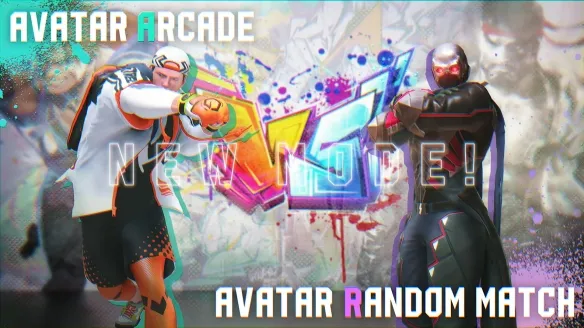
Street Fighter 6 updates two avatar modes on May 28 and adds Ingrid to the roster.
















As a player who has been closely following character modeling iterations in various fighting games for years, Ingrid’s new look in Street Fighter 6 over the past two days is basically a wildly off-the-charts “reverse Shoryuken” on the timeline. The technical sliders are maxed out, but the aesthetics bar is bottomed out; this move has combo’d together all the complaints from players both in China and abroad.

Let’s lay out the facts first: some time ago, Chinese players were already furiously criticizing Ingrid’s new model in Street Fighter 6, feeling that it has nothing in common with the elegant, mysterious girl they remember. What really caused the “critical hit” was when a Japanese netizen posted a comparison image: on the left is Marie Rose, created ten years ago by Koei Tecmo in the Dead or Alive series; on the right is Ingrid, presented by Capcom using the latest next-gen tech. They’re both blonde lolita-type characters, but put side by side, the gap instantly becomes glaringly obvious.

On the Marie Rose side, ten-years-ago Koei nailed everything a “classic beautiful-girl model” should have: delicate facial proportions, expressive eyes and features, and a character who looks both like a stylized figure and like a living person. Now look at Ingrid’s side: players’ immediate reaction is an overwhelming sense of discord. Some describe her as looking like a creepy doll from a horror movie. As harsh as that sounds, it highlights a key issue: there’s more detail, the textures are sharper, but the overall impression is starting to look frightening. In a fighting game—a genre full of frequent, close-up shots—that’s basically crippling yourself.

From the perspective of “racing” and “competition” in character design, developers today are generally competing on technical specs: whose skin rendering is more realistic, whose lighting pipeline is more next-gen. But what players really care about—and what most easily sparks emotional resonance—is whether they can still recognize the character at a glance and whether that old feeling is still there. Technology only makes the car go faster; aesthetics is the steering wheel. If you slam the gas down but your steering veers off, what you see on screen is exactly this kind of spectacular crash; the faster you go, the harder the impact.

This Ingrid incident once again reminds developers: how faithfully you restore a classic character is essentially the bottom line of your IP. You can tweak things like costumes, moves, and even the storyline, but the character’s expression and temperament are not to be casually altered. Especially in fighting games, this old-school competitive genre, characters are like “team liveries” on a racing track—each one is a brand asset. If you change them so much that they’re no longer recognizable, you lose veteran players and may not even win over new ones. For fighting game fans who are still on the fence, my advice is simple: if you love the gameplay, feel free to keep an eye on Street Fighter 6’s versus content; but if you have high standards for character appearance, don’t rush to turn your nostalgia into a preorder. Voting with your wallet is sometimes more effective than venting a few lines on social media.




Comments 0
We'd love to hear from you
Welcome! Share your take on this game — being first might come with a surprise.
No comments yet. Be the first!