News
PS6 Leak Sparks Backlash Over Sony's First-Party Output Rate
PS6 early leaks reveal launch lineup details, sparking divided player opinions on Sony's first-party














This time they made a trade-off in the price display logic that clearly hadn’t been stress-tested: they directly tangled the legacy relationship from the old platform and the new trophy version’s selling logic for Ratchet & Clank: la taille ça compte, which resulted in players seeing the PS4/PS5 version priced at 0 euros. As someone who has worked on billing and store modules, my first reaction wasn’t “Nice, I scored,” but “There must be a lazy shortcut somewhere in this content-permission decision chain.” Based on current player feedback, at the same time some people saw 0 euros and successfully claimed it, while others saw the normal price of 10 euros. With this kind of split experience, we can basically rule out the possibility of an official promotion.

From a design perspective, the key variable in this case is cross-generation version binding: on the player’s account in question, the PSP version of this game was randomly included with their PSVita, while what they’re claiming now is the new PS4/PS5 version with trophies. By rights these should be two independent SKUs. Typically, if a publisher wants to offer a “generous upgrade,” they’ll implement a clear ownership-mapping rule on the backend, such as “own the old platform version and you can upgrade to the new platform version for 0 euros.” If this rule hasn’t been implemented, the price should display uniformly for everyone. The issue now is that some people see 0 euros and others still see 10 euros, which indicates that there really is a “hidden mapping” in the system, but its trigger conditions are extremely unstable.
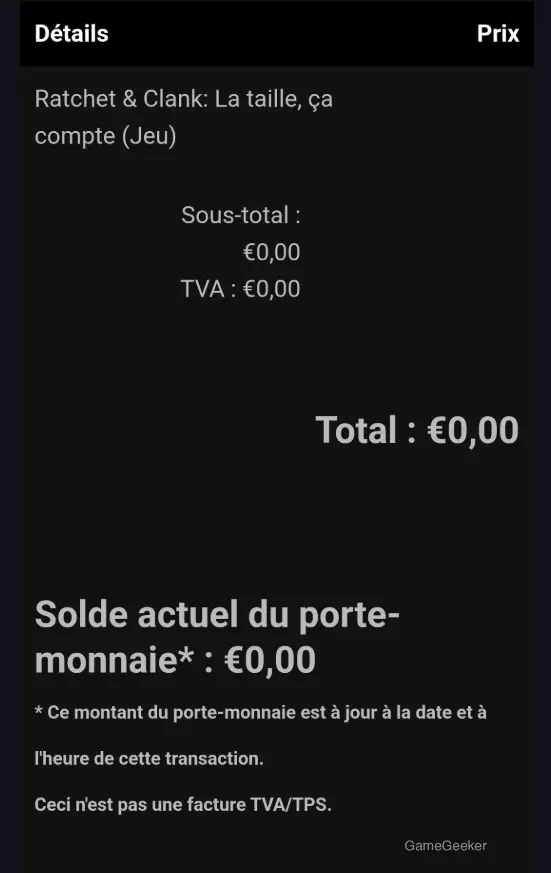
From a technical standpoint, this kind of “half-free state” looks very much like a priority error in multi-condition concatenation on the store backend—things like past purchase history, regional pricing, PS Plus subscription status, and whether you own a particular generation of console, with the weights between them not properly sorted out. Some people suspect that it’s PS Plus benefits that cause the free display, but the player involved explicitly said they don’t have PS Plus, and other ordinary users saw 10 euros during the same time window, which basically rules out the subscription logic. A more reasonable guess is that when the system checks “if you own the old version, give a discount or free upgrade,” it mistakenly counts certain bundled or bonus versions as qualifying, so it only applies to a tiny fraction of accounts, making it look like a ghost promotion.

From a business logic standpoint, this kind of bug is actually the most awkward situation for the publisher: they gain no goodwill and are literally losing money. If they wanted to run a promotion, they would normally pair it with tags, banners, and a time window, instead of silently flipping the price to 0 euros for a handful of accounts. If they wanted to “reward veteran players,” they would highlight the inheritance rules in the marketing copy so that people form the perception that “I didn’t lose out because I bought it before.” The current situation is more like the billing system was doing a soft rollout of adjustments for some old titles without proper regression testing, causing a few players to slip into the cracks of the system. For a well-received old game that has just added trophy support on PS4/PS5, these rushed details are a bit of a shame.
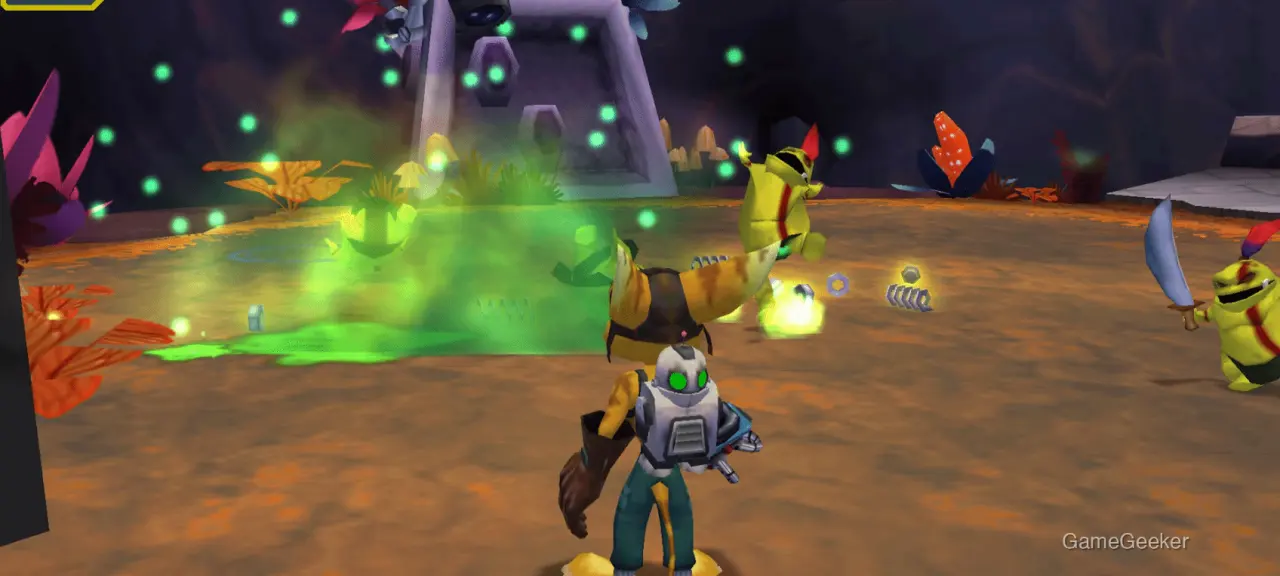
If you’re an ordinary player, the purchase recommendation is simple: if you see 10 euros now, just decide based on the normal price and how much you care about this IP; don’t count on “refreshing the page over and over waiting for 0 euros,” because essentially you’re gambling on the system making the same mistake again. If your account also obtained this game before via a PSP, PS3, or PSV bundle, you can log into the PS4/PS5 store to check the price and, while you’re at it, verify for yourself how rigorous this inheritance rule actually is. Looking at industry trends, this incident once again shows that cross-platform re-releases and trophy support will become more and more common. Whoever can handle saves, ownership, and pricing—this whole “backend system dungeon”—cleanly and neatly will have a better chance of earning an extra share of reputation dividends in the long-term operation of their legacy IPs.

Comments 0
We'd love to hear from you
Welcome! Share your take on this game — being first might come with a surprise.
No comments yet. Be the first!