







The Top 3 in 30 Seconds: Braid, Anniversary Edition is the clearest choice for broad rewind rules, pause, and worlds where time behaves differently. Choose Timelie if you want to preview the future, revise earlier decisions, and coordinate a girl with a cat while avoiding detection. The Entropy Centre is the better fit for object rewind and first-person puzzle rooms, since it sends individual objects through their own chronology instead of reversing an entire scene.
Why These Made the List #
This list ranks 10 puzzle games where time manipulation directly changes how you solve obstacles, move through spaces, and understand cause and effect. The selection covers full-scene rewind, future preview, object-specific reversal, past selves, time freezing, dimension shifts, and environmental reshaping.
The ranking gives more weight to games where temporal rules control the main puzzle reasoning. A game rises when time changes movement, sequencing, causality, object behavior, or the structure of the environment. It also matters whether each game has a clear audience, because a reflective platform puzzle, a stealth planning game, and a cooperative story adventure are solving different problems for different players.
This is not a list of detective stories or passive time-loop narratives. Every pick uses time as an active tool. Quantum Conundrum belongs here as a related hybrid because its Interdimensional Shift Device changes physical rules, including the pace of events, instead of letting players freely rewind the whole scene. Arise: A Simple Story earns its place because its time manipulation reshapes surroundings and supports both single-player and local cooperative play, including split-screen.
Top Picks #
1. Braid, Anniversary Edition #
 Eneba€1.38Steam €1.38Zobacz cenę →
Braid, Anniversary Edition treats time as the governing rule of a platform puzzle world. Players rewind and pause events, encounter different time properties across interconnected worlds, avoid hazards, unlock doors, and collect jigsaw puzzle pieces. The Anniversary Edition also adds repainted high-resolution artwork, new sound effects, a new puzzle world, redesigned puzzles, and extensive creator commentary.
| Aspect | Explanation |
|---|---|
| Why It's Ranked Here | Time manipulation drives every journey through the interconnected worlds. Rewind, pause, and world-specific time behavior create a broader puzzle system than a single reset command, which is why this game takes the top spot. |
| Who It's For | This suits players who enjoy reflective platform puzzles, unusual temporal rules, interconnected worlds, and substantial commentary from the creator. |
| Key Selling Points | Rewind, pause, hazards, locked doors, and jigsaw pieces all connect to the time system. The Anniversary Edition adds refreshed artwork, new puzzles, redesigned classic puzzles, and extensive commentary. |
2. Timelie #

 Kinguin€0.88-94%Steam €0.88Zobacz cenę →
In Timelie, the Timeline works like a media player. Players can drag it left to rewind or right to watch the future unfold, then use that information to change decisions in the past. The girl and cat must be controlled together as they time their movements, avoid detection, and create distractions.
| Aspect | Explanation |
|---|---|
| Why It's Ranked Here | Rewind and direct future preview work together to make information part of the puzzle. Seeing what will happen lets players revise earlier actions, while the two-character structure makes timing central to every escape and distraction, placing it second. |
| Who It's For | Choose this for stealth puzzles that reward careful planning, future information, and coordinated actions between two characters. |
| Key Selling Points | The Timeline supports both rewinding and watching the future. Players can use future events to change their approach to the past. The girl and cat must work together to avoid detection and distract enemies. |
3. The Entropy Centre #
 Kinguin€0.55-98%Steam €0.55Zobacz cenę →
The Entropy Centre focuses on rewinding individual objects through time. ASTRA scans an object's chronology and moves it through the past, which can rebuild collapsing pillars or restore a cup of tea to an earlier state. Players solve puzzle rooms while moving through a space station in orbit of Earth, with the collapsing facility providing the backdrop for the adventure.
| Aspect | Explanation |
|---|---|
| Why It's Ranked Here | Object rewind is the game's defining strength, and it gives each puzzle a distinct physical history to work with. Focusing on individual objects creates a strong contrast with full-scene rewind, so each solution depends on the past of a particular item. |
| Who It's For | Choose it for first-person puzzle rooms where you experiment with objects in a science-fiction setting, while the surrounding adventure gives those puzzles context. |
| Key Selling Points | ASTRA moves scanned objects through their past chronology. Players can rewind objects to earlier states, such as restoring a collapsed structure or returning an item to a usable condition. Complex rooms and a dangerous space station give the system a strong setting. |
4. The Gardens Between #
 Kinguin€5.75-65%Steam €5.75Zobacz cenę →
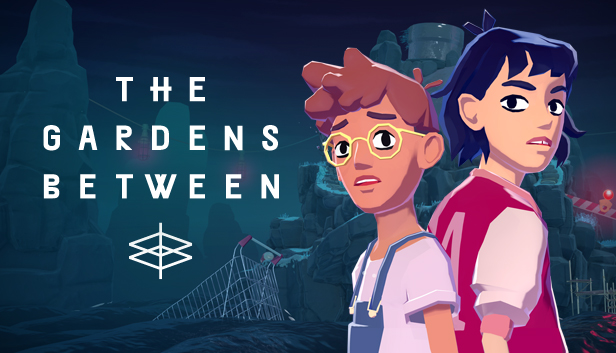
The Gardens Between follows Arina and Frendt through dreamlike island gardens filled with objects from their childhood. Players manipulate time to solve bespoke puzzles, reach the top of each island, light up constellations, and explore the friends' shared memories. The game has no text, no speech, no time pressure, and no complex user interface.
| Aspect | Explanation |
|---|---|
| Why It's Ranked Here | Time manipulation is required for its puzzles, and the focused, contemplative design makes temporal movement closely shape the environment and the relationship between the two characters. |
| Who It's For | This entry suits players who enjoy a relaxed puzzle adventure with dreamlike environments, a personal story, and no time pressure. |
| Key Selling Points | Time manipulation drives the puzzles on each garden island. Childhood objects appear inside vibrant environments. The story is presented without text or speech, and the game avoids time pressure. |
5. Causality #
 Humble Store€3.99Steam €3.99Zobacz cenę →
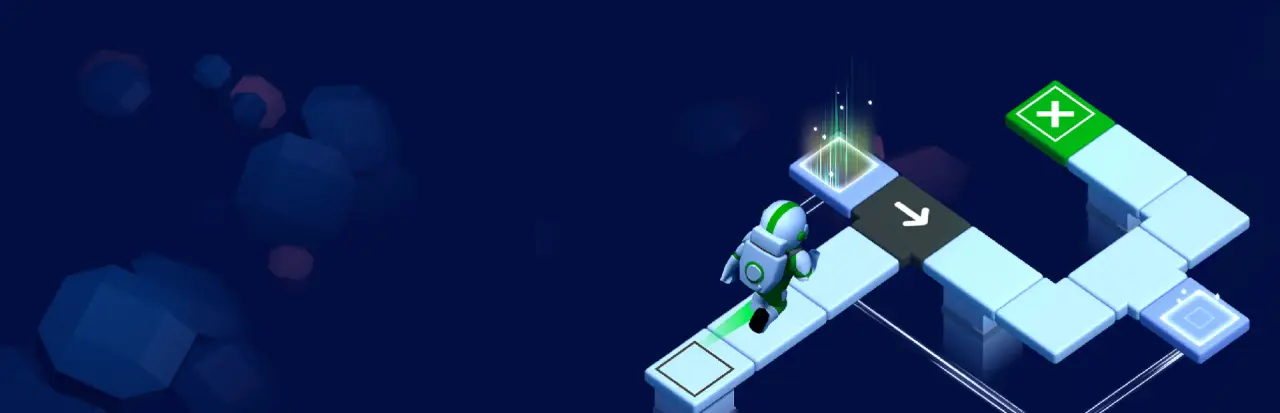
Causality turns time into a sequence-editing problem. Players guide stranded astronauts through strange alien landscapes, change the order of events, and work with past selves to solve paradoxes. Each level presents a brief hazardous situation in which every astronaut must reach the exit matching their colour.
| Aspect | Explanation |
|---|---|
| Why It's Ranked Here | Its temporal rules are direct and clearly built around changing event order. The compact level structure places it below the broader systems higher on the list, while the past-self mechanic gives it a distinct identity. |
| Who It's For | Players who prefer self-contained logic levels, paradoxes, colour-matched objectives, and puzzles about the order of events will find a strong fit here. |
| Key Selling Points | Players change the sequence of events to alter each outcome. Past selves become part of the puzzle structure. Astronauts must reach exits that match their colours. |
6. The Misadventures of P.B. Winterbottom #
 Eneba€3.10Steam €3.10Zobacz cenę →
The Misadventures of P.B. Winterbottom lets players record themselves and use those versions across different points in time. The recorded selves can cooperate, compete, or disrupt one another as Winterbottom pursues the mysterious Chronoberry Pie through a collection of unique puzzles. Its silent presentation gives the time mechanics a macabre and comical tone.
| Aspect | Explanation |
|---|---|
| Why It's Ranked Here | Recorded selves can cooperate, compete, or disrupt one another across the past, present, and future, giving the game a distinctive time-based puzzle structure. Its time system is narrower than those of the entries above it, but the recorded selves give it a distinctive puzzle identity. |
| Who It's For | Choose it for silent comedy, stylized puzzle spaces, and challenges built around cooperating with or disrupting your own recorded selves. |
| Key Selling Points | Players record themselves and interact with those versions at different temporal positions. Past, present, and future selves can cooperate, compete, or interfere. The macabre comedy gives the format a distinctive character. |
7. Time Master #

 Steam12,49€Zobacz cenę →
Time Master combines platforming with rewind and cooperation between Zeno and his past self. Players overcome obstacles, complete trials, and move through a voiced cinematic story about Zeno's search for his sister and the collection of time fragments. Trials can be unlocked in an order chosen by the player or revisited for improvement.
| Aspect | Explanation |
|---|---|
| Why It's Ranked Here | Rewind and past-self cooperation directly help Zeno overcome obstacles, while varied puzzle mechanics and flexible trial progression support the fantasy adventure. Its temporal identity is less specialized than systems built around a single, more deeply developed time rule. |
| Who It's For | This suits players who enjoy platforming, past-self cooperation, a voiced story, and trials connected to a fantasy adventure. |
| Key Selling Points | Zeno rewinds time and works with his past self. The game combines platforming with a wide variety of puzzle mechanics. Trials can be unlocked in a chosen order or revisited for improvement. |
8. Chronology #
 Eneba€0.44Steam €0.44Zobacz cenę →
Chronology follows an Old Inventor and a Snail who must fix the present by manipulating the past and future. The two characters have different abilities, including travelling through time, stopping time, and manipulating objects. Players switch between them and combine their strengths to solve the puzzles.
| Aspect | Explanation |
|---|---|
| Why It's Ranked Here | Switching between the Old Inventor and the Snail combines time travel, time freezing, and object manipulation in the same puzzle adventure. These abilities support character-switching puzzles, but no single temporal rule shapes the entire experience as strongly as in the entries above. |
| Who It's For | Players looking for a colourful platform adventure will find character switching, time freezing, object manipulation, and the relationship between the two characters at its centre. |
| Key Selling Points | Players can travel through the past and future and stop time. The Old Inventor and the Snail have different abilities that must be combined. Object manipulation and temporal changes help repair the present. |
9. Arise: A Simple Story #
 Eneba€1.59Steam €1.59Zobacz cenę →
Arise: A Simple Story uses time manipulation to shape puzzle solving and changes to the surrounding world. Its journey moves through bittersweet recollections of a past life while exploring happiness, hardship, joy, and sorrow, and it supports both single-player and local cooperative play, including split-screen.
| Aspect | Explanation |
|---|---|
| Why It's Ranked Here | Time manipulation and environmental reshaping drive the puzzles in this emotional journey through memories, earning it ninth place. Its temporal rules are less specific than those of the games above it, but cooperative play makes it a distinct fit for two players sharing the experience. |
| Who It's For | Choose it for an emotional puzzle adventure about memory, environmental change, and local cooperative play. |
| Key Selling Points | Time manipulation works alongside puzzle solving and changes to the surroundings. The journey moves through recollections of a past life. The game supports shared or split-screen cooperative play as well as single-player play. |
10. Quantum Conundrum #
 Kinguin€1.27-86%Steam €1.27Zobacz cenę →
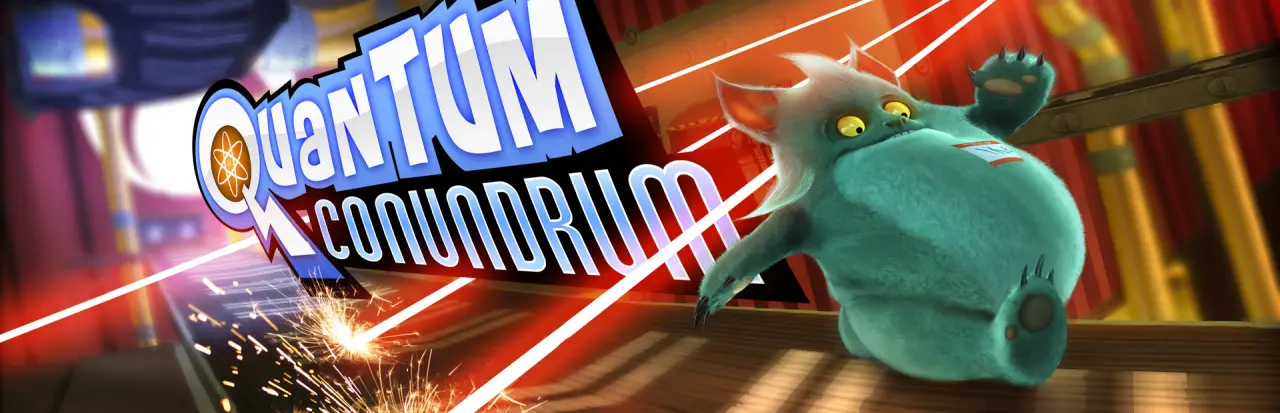
Quantum Conundrum is a first-person puzzle game about switching dimensions inside a complex mansion. Its Interdimensional Shift Device changes the rules that govern objects and movement: the Fluffy Dimension makes a sofa light, the Anti-Gravity effect makes objects float upward, and the available dimensions include Normal, Fluffy, Heavy, Slow-Motion, and Reverse Gravity.
| Aspect | Explanation |
|---|---|
| Why It's Ranked Here | Dimension switching connects this game to temporal puzzle design without relying on a rewind or event-sequencing system, earning it tenth place. Its value comes from changing physical rules between dimensions, including the pace of events in the Slow-Motion Dimension. |
| Who It's For | Choose it for a strange mansion adventure built around first-person environmental puzzles, dimensional switching, and changing physical rules. |
| Key Selling Points | The Interdimensional Shift Device changes how objects and movement behave across Normal, Fluffy, Heavy, Slow-Motion, and Reverse Gravity Dimensions. It is a dimension-shifting hybrid rather than an unrestricted rewind game. |
Comparison Table #
| Game | Genre | Why It's Ranked | Play Structure |
|---|---|---|---|
| Braid, Anniversary Edition | Time manipulation shapes this platform puzzle adventure. | Rewind, pause, and different time properties shape play across interconnected worlds. | Its substantial puzzle campaign includes additional puzzles, redesigned puzzles, and creator commentary. |
| Timelie | Stealth and puzzle solving define an adventure with rewind and future preview. | Reversible actions combine with direct information about future events. | This focused puzzle adventure revolves around planning and coordinating the actions of a girl and a cat. |
| The Entropy Centre | Object rewinding defines this first-person puzzle adventure. | Object chronology forms the central puzzle mechanism. | Room-based puzzles unfold within a broader journey through a collapsing space station. |
| The Gardens Between | Story-led time manipulation puzzle adventure. | Time manipulation shapes bespoke puzzles in a quiet setting. | Garden islands frame a focused journey and personal story. |
| Causality | Time-sequencing logic puzzle game. | It changes event order and uses past selves to solve paradoxes. | It is built from brief levels with a defined colour-matched objective. |
| The Misadventures of P.B. Winterbottom | Time-clone platform puzzle game. | Recorded selves can cooperate, compete, or interfere across time. | Distinct time-bending challenges unfold within a comic pursuit. |
| Time Master | Platforming puzzle adventure with time rewind. | Rewind mechanics pair with cooperation between Zeno and his past self. | Players revisit trial-based challenges in a cinematic story. |
| Chronology | Time-travel platform puzzle adventure. | Time travel, freezing, object manipulation, and character switching shape its puzzles. | Two characters and several temporal abilities carry a story-led adventure. |
| Arise: A Simple Story | Story-led environmental puzzle adventure with time manipulation. | Temporal changes reshape the environment alongside an emotional journey. | A narrative-focused journey supports both single-player and cooperative play. |
| Quantum Conundrum | First-person dimension-shifting puzzle adventure. | Switching dimensions changes physical rules, including the pace of events. | Mansion-based puzzles make dimension shifting the central challenge. |
How to Pick the Right One #
| Preference | Recommended Games |
|---|---|
| For full-scene rewind and broad temporal rules → | Braid, Anniversary Edition, Timelie, and Time Master. |
| For object rewind and physical puzzle rooms → | The Entropy Centre and Quantum Conundrum. |
| For past selves, time clones, and sequence changes → | Causality, The Misadventures of P.B. Winterbottom, and Time Master. |
| For time freezing, environmental reshaping, and story-led play → | The Gardens Between, Chronology, and Arise: A Simple Story. |
FAQ #
Which game is the clearest choice for direct rewind-based puzzle solving? #
Braid, Anniversary Edition is the clearest broad recommendation because it combines rewind, pause, and unusual time properties across interconnected puzzle worlds. The Entropy Centre is a better fit when you want to rewind individual objects instead of reversing an entire scene. Time Master is another option if you want rewind combined with cooperation between a character and a past self.
Which selected game lets players preview the future? #
Timelie explicitly lets players drag its Timeline forward to watch the future unfold. That information can change how they approach the past while they coordinate the girl and cat. Chronology also lets players travel through the past and future, but its puzzle play focuses more broadly on combining the Old Inventor's and the Snail's abilities than on previewing a media-player-style future state.
Which games use past selves or time clones as puzzle elements? #
Causality asks you to work with past selves while changing event sequences and solving paradoxes. The Misadventures of P.B. Winterbottom lets you record yourself and cooperate with, compete against, or disrupt past, present, and future selves. Time Master uses rewind so Zeno can collaborate with his past self while overcoming obstacles.
Is Quantum Conundrum a rewind game, and can Arise be played cooperatively? #
Quantum Conundrum is a dimension-shifting hybrid. Its Interdimensional Shift Device changes physical rules, including the pace of events through the Slow-Motion Dimension, rather than providing unrestricted rewind. The publisher also lists Normal, Fluffy, Heavy, and Reverse Gravity Dimensions.
Arise: A Simple Story supports single-player and cooperative shared or split-screen play. It can therefore be played locally with another person, and it should not be described as single-player-only.






Komentarze 0
Chętnie poznamy Twoje zdanie
Dołącz do dyskusji i podziel się opinią o grze.
Brak komentarzy. Dodaj swoją opinię.