Comprehensive Influence Ranking of 12 Space Sci-Fi Tower Defense Strategy Games
Seleção de Alex 陈 · ·listDetail.views: 3,137 Comentários
If you layer the two tags “space sci-fi” and “tower defense” together, there are actually not many titles that fully match the traditional definition of tower defense while also having substantial market impact. Therefore, this list uses a stricter yet more practical set of selection criteria: it prioritizes the density of space/alien sci-fi elements in each work, as well as the share of core mechanics such as defense, fortification, stronghold guarding, route blockade, and engineering-based defenses; it then ranks them comprehensively based on Steam positive review rate, review volume, long-term concurrent player performance, community activity, and broader genre influence. In other words, this is not simply about whether a game “has towers,” but whether it truly makes “holding the line” a core system, and whether it has left a sufficiently clear genre footprint in both the market and among players.
If you stack the two labels “space sci-fi” and “tower defense” together, there are actually not many works that fully fit the traditional definition of tower defense while also having substantial market impact. Therefore, this list adopts a stricter and more pragmatic set of criteria: it prioritizes the density of space/extraterrestrial sci-fi elements, as well as the share of core mechanics such as defense, fortification, outpost guarding, route blockades, and engineering-based defense; it then ranks titles based on a combination of Steam review scores, review volume, long-term player performance, community activity, and spillover influence within the genre. In other words, this is not simply about whether a game “has towers,” but whether it truly makes “holding the line” a systemic core, and whether it has left a sufficiently clear genre footprint in both the market and among players.
Image: Stellaris
Tags: space sci-fi, grand strategy, outpost defense, fleet blockade, high impact
Although fundamentally a 4X grand strategy game, its border system defense, space fortress upgrades, hyperlane blockades, and outpost guarding framework together form a high-level paradigm of space defense strategy. Its Steam review volume and the depth of its long-term updates place it firmly among the top tier in its genre, while its DLCs continue to extend its lifespan and its community discussion and mod ecosystem remain exceptionally strong. In terms of overall influence within the “space sci-fi + defense systems” category, it is almost impossible to overlook as a benchmark.
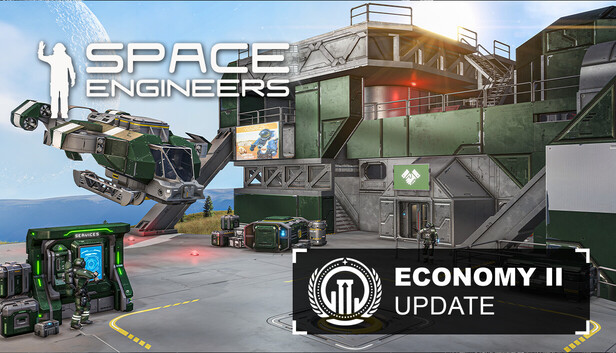
Image: Space Engineers
Tags: space sci-fi, engineering defense, base building, sandbox, Workshop
This title combines engineering construction and base defense with remarkable thoroughness. Players must build turret layouts, reinforce structures, manage energy, and defend against intrusions around space stations, spacecraft, and planetary bases. It is not traditional wave-based tower defense, but it is highly representative within the “engineering-style defense” branch. Thanks to its steady Steam review volume, long-term updates, and Workshop support, it maintains clear and lasting influence in the space-themed sandbox defense niche.
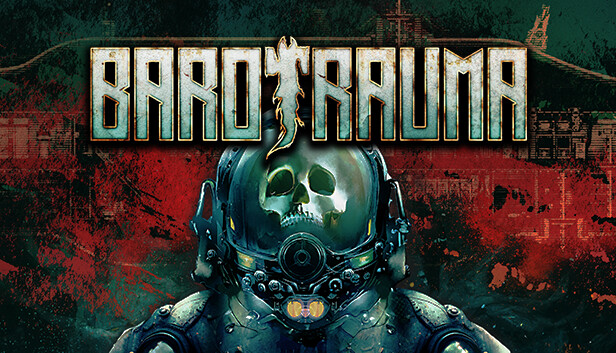
Image: Barotrauma
Tags: sci-fi, co-op defense, vehicle guarding, system damage control, survival
Strictly speaking, this is deep-sea sci-fi rather than outer-space sci-fi, but its submarine compartment defense, system repairs, response to monster intrusions, and cooperative multiplayer guarding share a highly consistent “defend the vehicle/outpost” logic with tower defense in the narrower sense. The game has maintained strong community activity over time and is highly distinctive in co-op defense, survival engineering, and system damage control. If the scope of the list is extended to hard sci-fi defense in closed environments, it has more than enough reason to be included.
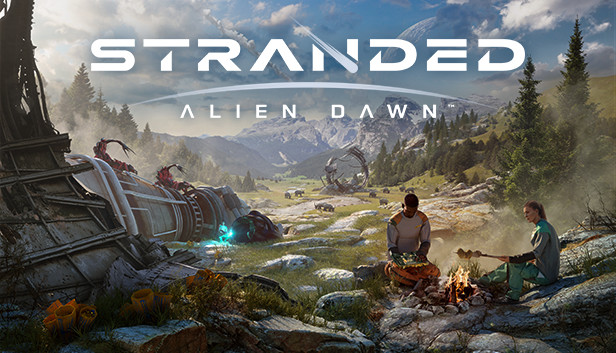
Image: Stranded: Alien Dawn
Tags: alien sci-fi, base defense, survival building, wave attacks, tactical planning
This is a work that combines alien-colony survival and outpost defense quite comprehensively. Players must plan fire coverage, walls, traps, resource chains, and character roles around their base to withstand periodic alien creature attacks. Its defense mechanics are noticeably purer than those of typical survival-building games, and its alien environment and tech tree provide a consistently strong sci-fi atmosphere. While its overall visibility does not match the top-tier titles, its thematic fit is extremely high.
Image: Fallout Shelter
Tags: post-apocalyptic sci-fi, shelter defense, management sim, high accessibility, IP boost
This is a lighter facility-management defense title, but its core loop of “shelter defense” is very clear: room layouts, dweller professions, disaster response, and intrusion handling together form a simplified tower-defense logic. Backed by the Fallout IP and its extremely broad reach, its market penetration far exceeds that of most niche defense games. For mainstream audiences, it is one of the most recognizable representatives of “sci-fi defense management.”
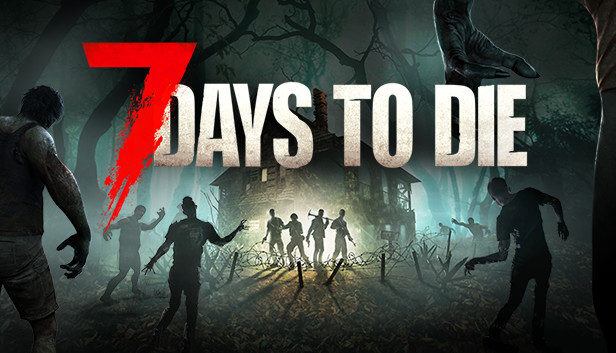
Image: 7 Days to Die
Tags: post-apocalyptic sci-fi, base defense, trap placement, zombie horde waves, survival building
Its setting leans more toward the edge of post-apocalyptic sci-fi, but its cyclical horde defense, fortified bases, automated turrets, and trap setups give it a strong tower-defense character in its “build-prepare-defend waves” structure. On Steam, it has accumulated a massive review count and a stable player base over the long term, giving it far greater influence than most niche tower-defense titles. Although its sci-fi purity is not the highest, the strength of its defense mechanics is enough to justify its place on the list.
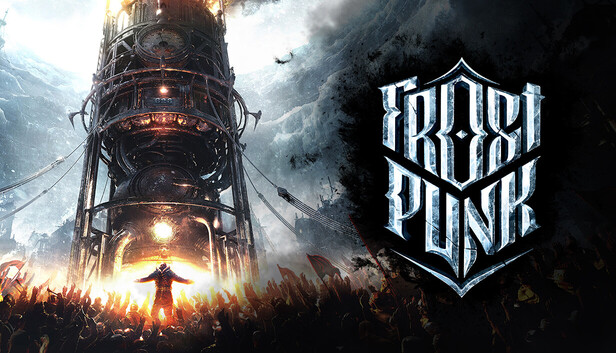
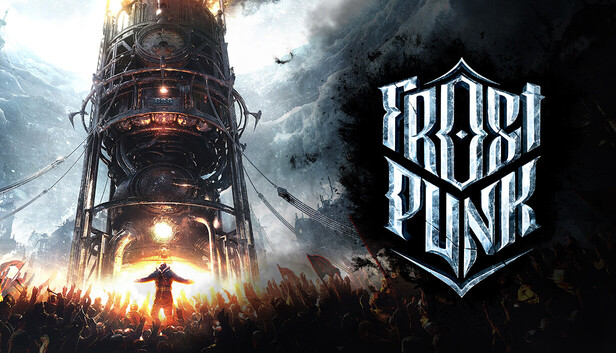
Image: Frostpunk
Tags: speculative sci-fi, city defense, survival strategy, systemic defense, highly acclaimed
This is not a traditional space sci-fi title, but it firmly belongs to the realm of speculative sci-fi survival defense: the city’s central heat source functions like a core tower, while the player builds an overall defense system around resources, population, external storms, and social order. Its market impact, reputation, and genre spillover are all extremely strong, proving that “defense” does not have to be limited to turrets and lanes, but can also mean the systemic safeguarding of an entire city’s survival boundary.
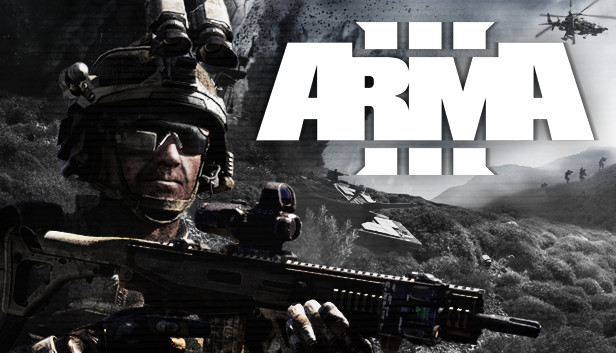
Image: Arma 3
Tags: borderline military sci-fi, outpost defense, tactical sandbox, mod ecosystem, active community
Looking only at the base game, it is not tower defense, but its vast mod ecosystem and mission editor have made “base defense, outpost offense-defense, and future-war frontlines” into long-running and active content forms. The game’s lasting vitality in the military sandbox space, the scale of its creative community, and its capacity for gameplay expansion are all outstanding. As a representative of “defense mechanics spilling over into a larger battlefield sandbox,” its overall influence is more than strong enough.
Image: Totally Accurate Battle Simulator
Tags: strategic deployment, area defense, physics simulation, Workshop, gameplay spillover
This title is fundamentally about unit placement and countering enemy types, but in many levels and player-created modes, its essence is using limited resources to defend an area and block routes. Its cartoonish presentation weakens its sci-fi purity, but the Workshop and level editor make its nature as a “defense testing ground” very apparent. It is more like a physics-deconstructed version of tower-defense logic, so its influence lies mainly in gameplay inspiration rather than thematic purity.
Image: Garry's Mod
Tags: sandbox platform, modded gameplay, sci-fi fan creation, turret defense, long lifespan
Strictly speaking, this is not a prebuilt tower-defense game, but rather a highly flexible gameplay container. Precisely because its sandbox and scripting ecosystem are so strong, user-created content centered on space, aliens, survival outposts, and turret defense has existed for years. It makes the list not because of the purity of its core systems, but because of its continued contribution to the spread of “sci-fi defense gameplay prototypes” and its value as a testing ground for fan-made experimentation.
Image: State of Decay 2: Juggernaut Edition
Tags: post-apocalyptic sci-fi, outpost guarding, community management, horde defense, survival strategy
In the revised list, it is a more reasonable representative of the “defense-oriented survival base” category. The game forms a complete home-defense loop around community outpost construction, watchtowers, resource circulation, zombie horde invasions, and scavenging runs. Although it belongs to post-apocalyptic bio-sci-fi rather than space sci-fi, compared with the JRPG title in the original list that was clearly off-theme, it aligns much better with the list’s criteria in terms of defense mechanics, and its market recognition and player scale are also more solid.
Image: Age of Mythology: Extended Edition
Tags: defense strategy, fortification building, tower lines, RTS, honorable mention
It does not fit the space sci-fi theme, but as a substitute pick, it at least has clear strategic value in mechanics such as defense, walls, arrow towers, and choke-point control. In terms of pure thematic fit, it can only rank near the bottom, but compared with entries in the original list that were even less related to defense and sci-fi, it is more convincing on the hard mechanic of “defensive line construction.” Its inclusion mainly reflects the priority given to preserving the defense-strategy dimension when suitable replaceable candidates on Steam are currently limited.
Overall, the true core criterion of this list is not whether a game “looks like traditional tower defense,” but whether it turns defensive pressure, position management, firepower deployment, border blockades, or outpost guarding into a long-term, verifiable gameplay loop. From a data perspective, titles like Stellaris, Space Engineers, and Barotrauma form the most influential leading samples in this niche thanks to their review volume, community longevity, and systemic depth; meanwhile, Stranded: Alien Dawn, Fallout Shelter, and 7 Days to Die represent defense branches that lean more toward survival building and light management. And precisely because the number of pure-blooded “space sci-fi tower defense” games is limited, what this list ultimately presents is not a closed roster of a narrow genre, but an evolutionary spectrum that expands traditional tower-defense thinking into bases, outposts, routes, and engineering defense.

 Eneba$8.81Steam $8.81Ver preço →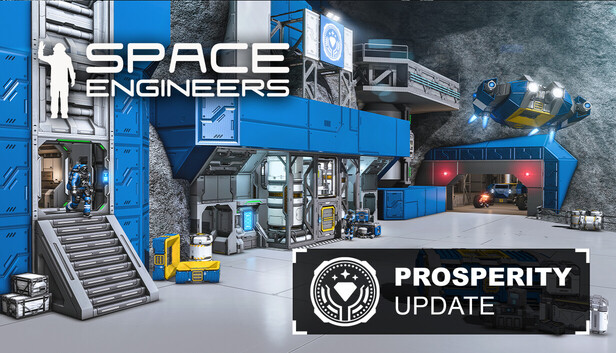

 Kinguin$23.60-31%Steam $23.60Ver preço →
 SteamGrátisVer preço →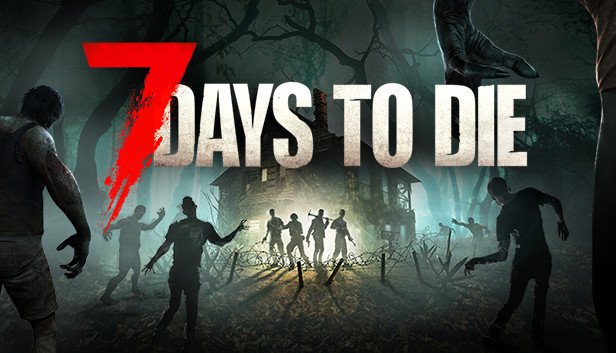
 GOG$2.38-85%Steam $2.38Ver preço →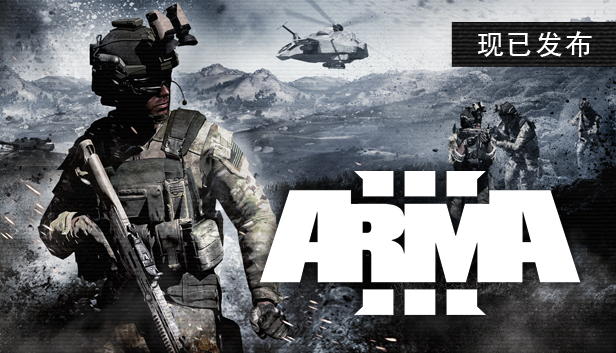










Comentários 0
Queremos saber sua opinião
Participe da discussão e compartilhe sua opinião sobre este jogo.
Ainda não há comentários. Seja o primeiro.