Notícia
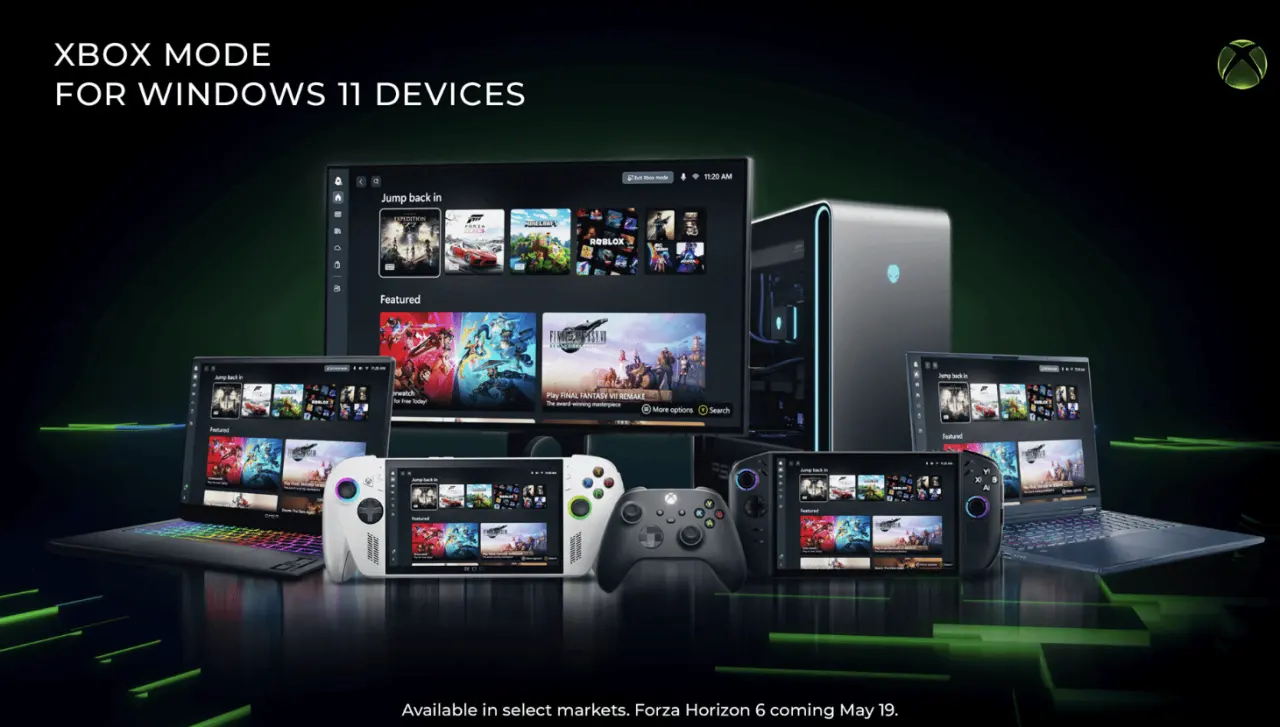
Xbox Mode hits Win11 as Microsoft pushes console experience on PC
Microsoft rolled out Xbox mode to Windows 11 on May 1, delivering a controller-optimized fullscreen
















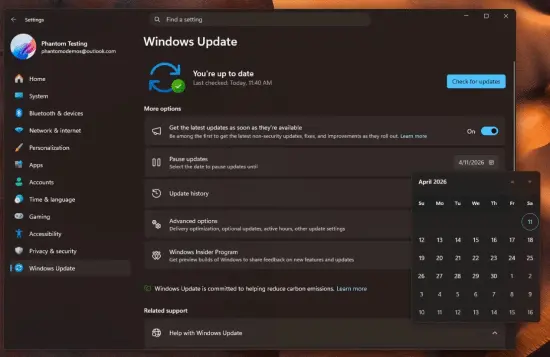
As a long-time player who uses Windows as a gaming platform and also tinkers with the system, when I saw Microsoft veteran engineer Raymond Chen speak out this time, my first reaction was actually: isn’t this just a giant “who’s the real culprit” puzzle stage? We’re used to blaming every blue screen, freeze, or slow disk read on “the latest patch broke something again,” but this time the official stance is basically jumping out to say—don’t be so quick to dump all the blame on Windows Update.

Chen’s core point can be understood as a classic platformer level: you think it’s that final pit that killed you, but what really did you in was the poorly calculated jump point earlier. Many failures we curse as “the patch broke the system” are actually rooted in drivers or software installed much earlier, or in those Group Policy settings IT admins applied from some “mysterious guide.” They change registry permissions, tweak service configurations, or even adjust undocumented parameters, all quietly running in the background and seeming to coexist peacefully—until one day the system finally hits the restart button to install the monthly update.
That restart jump is like a key switch in a puzzle-platformer: all the hidden problems you planted before suddenly get exposed. So from a timeline perspective, it looks like “apply patch → restart → crash,” and naturally users reflexively think: Microsoft broke it again. Chen mentions that this kind of timing coincidence creates the illusion that “the update broke the system,” when in reality the update only makes long‑existing instability surface. For PC gamers who frequently swap hardware and install all sorts of tools, this point is actually pretty instructive.
A recent example is Samsung’s own software running into trouble on Windows 11: the SSD management tool Magician failed to start properly, showed abnormal performance, and even had UI glitches, and Galaxy Connect was reported to make the C drive inaccessible. Many people happened to encounter these bugs right after applying Windows 11 patches, so they naturally blamed the system update. Later investigations found that the root cause of these incidents lay in Samsung’s software itself and had no direct relation to the patches. There was also earlier panic about “updates causing massive writes and bricking SSDs,” but tracing it back showed the real culprit was users running engineering firmware versions of SSDs—essentially doing risky operations by treating test firmware as a production release.
From a gamer’s perspective, I feel neither side can fully escape responsibility in this “blame labyrinth”: on one side, users and enterprise IT behave like level designers randomly smashing switches—layering drivers, optimization tools, and registry-tweak guides on top of each other without recording rollback paths; on the other side, Microsoft has indeed botched quite a few updates in the past, so it’s not out of nowhere that users have developed a “complain first, ask questions later” reflex. It’s like a puzzle-platformer whose early versions had wildly inaccurate hitboxes; naturally that makes players more suspicious of all later new levels.
From a practical advice standpoint, if you also treat your PC as your main gaming platform, I’d recommend treating system maintenance like designing a puzzle flow: first, try to avoid changing too many things at once—apply drivers, system updates, and third-party tools step by step, and keep screenshots and brief notes for each step; second, in enterprise environments, don’t blindly copy “god-tier optimization” guides from the internet—any changes involving the registry or Group Policy should run on a test machine for a few days first; third, once problems appear after an update, first roll back through all the “unofficial switches” you’ve flipped in the last month, rather than just staring at the most recent patch. Many traps were actually dug long before you hit restart.
Looking at the trend, the PC gaming ecosystem is increasingly like a complex, large-scale puzzle-platformer level: vendor software, OS update cadence, and players’ personal tweaks are all stacked on the same map. Raymond Chen’s reminder this time is more like teaching those of us who chase graphics and frame rates on PC to change perspective when reading the level—don’t just stare at the last visible trap. Sometimes, what really makes you fall off the high platform is that seemingly harmless little tweak you made several stages back.
Comentários 0
Queremos saber sua opinião
Boas-vindas! Conte o que achou deste jogo — quem chega primeiro pode ter uma surpresa.
Ainda não há comentários. Seja o primeiro.