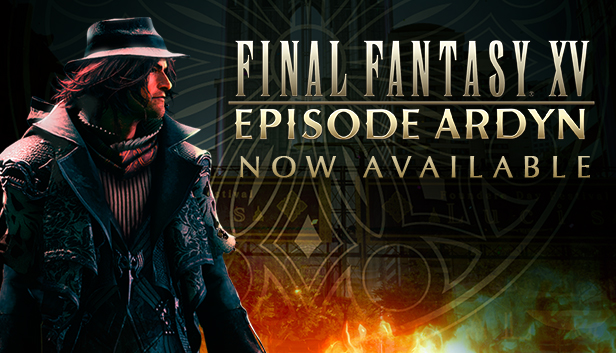
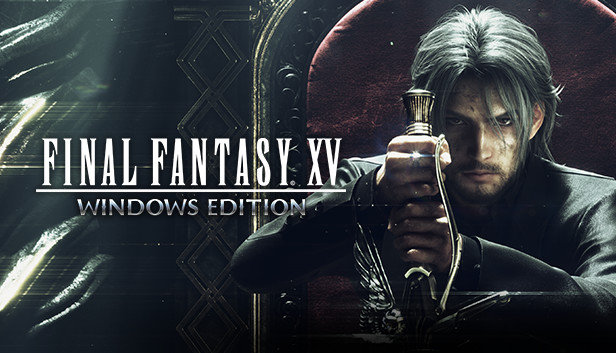
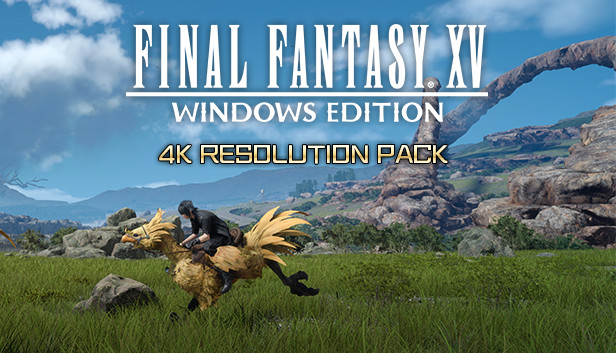
DLCFFXV WINDOWS EDITION 4K Resolution Pack免費→來源: Microsoft Store
“Ten-year development yielding a road-trip RPG with Active X Battle mechanics, thirteen Royal Arms, and a dynamic classic OST, prioritizing bromance atmosphere over compressed storytelling.”
Looking back nearly a decade after launch. Ten-million-plus copies sold, third-highest in series history behind only Final Fantasy 7 and Final Fantasy 14, Metacritic aggregate scores ranging from 81 to 86 across versions, user score sitting at 7.5 — the numbers are what they are. What Final Fantasy 15 actually leaves behind as its irreproducible asset is the road-trip atmosphere, the four-brother characterization, and the three-decade soundtrack retrospective.
The position of Final Fantasy 15 in series history is genuinely strange. It is the first mainline entry with an open world, the first mainline entry with real-time action combat, the first mainline entry with multilingual official voice acting, and the first mainline entry to receive sustained "ship then patch" updates across multiple years. These four firsts make this game the transition piece between the PS2 and PS3 era of the series and the current PS4 and PS5 era. The Final Fantasy 7 Remake with its linear chapter-based storytelling and Final Fantasy 16 with its plot-driven tight encounter design are both direct iterations on lessons Square Enix learned from this entry.
Final Fantasy 16 producer Naoki Yoshida stated the lesson explicitly: this game taught the team that players want complete stories, not open worlds in themselves. That insight directly drove the linear plot-driven direction of Final Fantasy 16. But on sales, Final Fantasy 15 at ten million still exceeds Final Fantasy 16 at seven million, suggesting open-world narratives remain more commercially successful. Square Enix has not publicly committed to a direction for Final Fantasy 17 or Final Fantasy 18, but the road-trip and brotherhood narrative paradigm from this entry still influences subsequent series work. Final Fantasy 15 is best understood as the transition title from the series' turn-based past to its action-game future — its successes and failures both become design references for what follows, making its position in series history genuinely singular.
First: series veterans. If you played any of 6, 7, 8, 9, 10, 12, or 13 — this game is written for you. Hearing a familiar melody change while driving the Regalia, the final-chapter cashout of eighty hours of accumulated brotherhood, the story of the ten-year development cycle itself — only veterans can absorb the full emotional resonance. Bonfire's review put it directly: anyone who has played another Final Fantasy will be moved hearing those familiar melodies while driving.
Second: road-trip atmosphere lovers. If you enjoy slow pace, scenery, banter, camping and cooking, and travel-as-photo-journal storytelling — this is the only game in the JRPG space that delivers that experience. GamerSky's review noted that road-trip framing as core mood is something no other open-world game has attempted to this degree. Chinese-language reception runs notably higher than Western press — the "brotherhood on the road" resonance lands in a cultural register tied to Chinese narratives of camaraderie.
Third: open-world players willing to accept fragmented storytelling. If you are already comfortable assembling a complete narrative from base game plus anime plus film plus DLC, then this game's fragmented approach is not a flaw but a puzzle-completion gameplay layer. Chinese fan communities have published extensive walkthroughs for the "play base game, watch Brotherhood, watch Kingsglaive, then clear four Episode DLCs" complete experience — that piece-by-piece consumption is itself a meta-game.
First: players who want tight narrative pacing. If you play JRPGs primarily for story and prefer the "plot-driven, key-beat emotional payoff" rhythm of Final Fantasy 7 or Final Fantasy 10 — the "long companionship then single-shot payoff" approach here is a deal-breaker. The compressed thirty-hour main story plus the requirement to consume anime, film, and DLC for completion will frustrate you. GameSpot's 8 and Eurogamer's no recommendation speak for this group — the main-story skeletal weakness is objective.
Second: first-time JRPG players. This is not an entry-point JRPG. The three-decade soundtrack callbacks, the context of the turn-based to action transition, and the four-brother bond setup all depend on familiarity with the series. First-time JRPG players should pick the Final Fantasy 7 Remake (complete story, modern combat) or Persona 5 or Xenoblade Chronicles 3 (tighter narratives). This game is a hit single for series veterans, not the introductory anthem.
Third: hardcore action players. If you want the combat feel of Bloodborne, Elden Ring, NieR Automata, or Stellar Blade — the action system here will disappoint. AI companion presence, simplified "weapons as skills" inputs, and the cutscene-feel of link strikes are designed for narrative fluidity rather than tactical depth. Game Informer wrote that the AI party is more narrative presence than tactical presence — that captures the design intent precisely, and explains why action-focused players come away unsatisfied.
First choice: Windows Edition complete bundle on Steam or Epic. Best visuals, all DLC, DLSS support, first-person mode, full 4K and HDR. Steam historical low around 14.99 USD, which Square Enix repeatedly hits during summer sales, winter sales, and series anniversary events. Do not buy at full price. The complete bundle and "base game plus separate DLC" buys cost the same, but the complete bundle is more stable for cloud save and cross-platform progression.
Console first choice: Royal Edition on PS5 or Xbox Series via backward compatibility with PS4 Royal Edition, unlocking 60fps. PSN and Xbox historical low around 19.99 USD. Royal Edition advantages include first console support for first-person mode, full Insomnia capital exploration, and multiple boss-fight reworks — the most complete console experience.
Not recommended: original PS4 or Xbox One (missing story completion and capital exploration), Pocket Edition HD (main-story simplification destroys the road-trip atmosphere), and Comrades multiplayer mode (unstable player base).
Ninety hours of content divided by roughly 14.99 USD yields about ten cents per hour. This is among the cheapest narrative-plus-gameplay-time bundles in JRPG today. Comparable alternatives at this price tier are either lower in content volume (Final Fantasy 13 trilogy entries running thirty to forty hours each), shallower in discount (the Final Fantasy 7 Remake discount line stays higher), or lack the road-trip atmosphere (the Persona series).
This is not the most polished entry in the series. The skeletal main story, fragmented narrative delivery, and AI companion intelligence falling short of expectations are all objective weaknesses. But it is the entry with the highest emotional-resonance density in series history. The four-brother characterization, the road-trip atmosphere, the three-decade soundtrack recycling, and the eighty-hour-accumulation payoff at the final chapter — these irreproducible assets give this game a singular place in the hearts of series veterans.
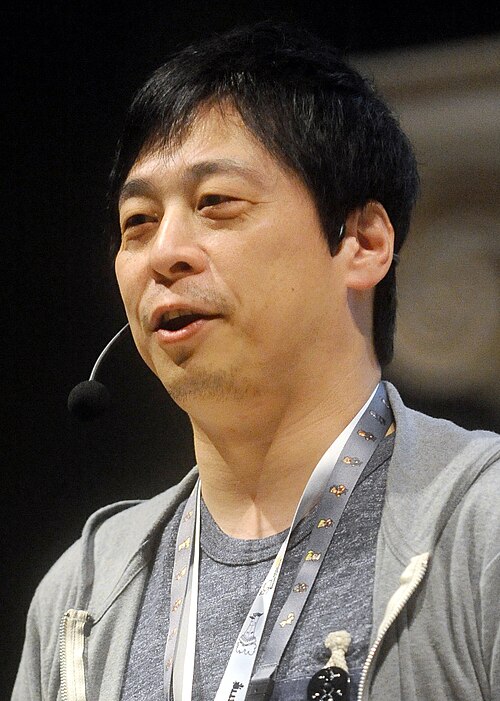
Ten-year development cycle, the director-handoff to Hajime Tabata, the bespoke Luminous Studio engine, sustained post-launch patches over multiple years — this is the longest "ship then keep refining" effort in series history. Square Enix invested in this game far beyond what reasonable commercial recovery would justify. That artisanal polish quality is something the Final Fantasy 13 trilogy, the Final Fantasy 7 Remake, and Final Fantasy 16 simply do not carry.
One last line for the hesitant player: you do not need to clear ninety hours in a single run. Try thirty hours of the main story plus a few hunts plus a few camp-and-cook nights. If by then the four brothers have not moved you — refund the game, no harm done. But if by hour thirty you are seriously considering whether to open Brotherhood the anime to fill in the story — the remaining sixty hours are yours, and no other JRPG can deliver the same density of road trip and brotherhood feeling.
留言 0
歡迎發表遊戲評價
歡迎參與討論,分享對這款遊戲的評價。
暫無留言,歡迎發表評價。