資訊
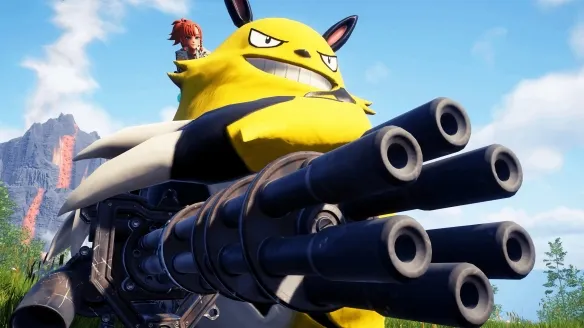
Is Palworld Going Solo With a Palworld Online Trademark Filing
Pocketpair has filed trademarks for Palworld Online in South Korea and the U.S., pointing to possibl















Palworld thrust Pocketpair directly into the spotlight, but the moves the company made after its meteoric rise have not followed the typical “conservative big-studio operations” path. On the contrary, the signals Pocketpair has publicly given are very clear: its financial style remains rough-and-ready, even a bit like a sandbox game’s “build first, optimize later” approach—testing as it goes, earning as it goes, and betting on new directions as it goes.

In an interview with GamesRadar+, publishing head Buckley mentioned that the company is “neither good at spending money nor good at saving it.” It sounds self-deprecating, but it fits Pocketpair well: rather than immediately turning its breakout success into a tightly controlled and conservative financial model, it has chosen to preserve room for high-risk, high-flexibility operations. For a team that broke through with Palworld, this actually feels a lot like an ongoing management sim—resources may not be managed with precision, but a higher tolerance for mistakes has bought them the right to experiment.

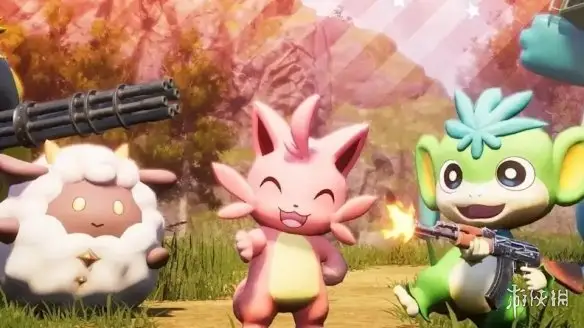
More importantly, Pocketpair is not putting all its chips on Palworld alone. Based on its known plans, the company is pushing forward with the official 1.0 release of Palworld this year, while also publishing several adventure games with distinctly odd styles, and even extending its business into a high-end toy product line set to launch in 2026. This strategy is quite interesting: it is not trying to become a one-hit-repeat machine, but is instead attempting to turn a single wave of explosive attention into the starting point for a multi-line business.
This is also why I think Pocketpair feels most like a “sandbox developer.” After landing a breakout hit, many companies would prioritize reinforcing their moat; Pocketpair, by contrast, seems more interested in continuing to open up the map and seeing what other territory it can claim. Buckley has also reiterated that the ability to take bold risks afforded by a breakout game must coexist with caution. In other words, it’s not that they are unaware of the risks, but rather that they believe they are still in a window well-suited for expansion and experimentation.

From an industry perspective, this approach brings both opportunity and cost. The opportunity lies in the continued growth of Pocketpair’s publishing business as the team expands and accumulates experience; the cost is that if the rhythm of its multiple projects falls out of balance, the cash cushion left by its hit game could be depleted quickly. Buckley admitted that they were indeed worried when they first entered unfamiliar fields, but later increasingly felt that they had “made the right bet early on.” At least for now, Pocketpair still believes in this logic of risk-taking.
For players, the biggest point to watch is still whether Palworld 1.0 can truly round out its content, stability, and long-term live operations this year. Current information for the PC version shows a price of ¥108.00, with the discounted price having once dropped to ¥97.20 (-10%). If you’re the wait-and-see type, I’d recommend deciding once the official 1.0 release arrives; if you already enjoy survival, building, collecting, and messing around in multiplayer, then Pocketpair’s route of continuously expanding the map actually suggests that Palworld may have even more to offer down the line.

My view is this: what Pocketpair most wants to prove right now is not how successful Palworld has been, but whether it can evolve from a one-time breakout sensation into a company that truly dares to make new things—and can keep doing so over time. For the game industry, this somewhat rough-edged growth path may actually be more worth watching than the standard answer.


留言 0
期待聽到你的聲音
歡迎來到評論區!說說你對這款遊戲的看法,第一個發言說不定有驚喜~
還沒有留言,來搶頭香吧!