
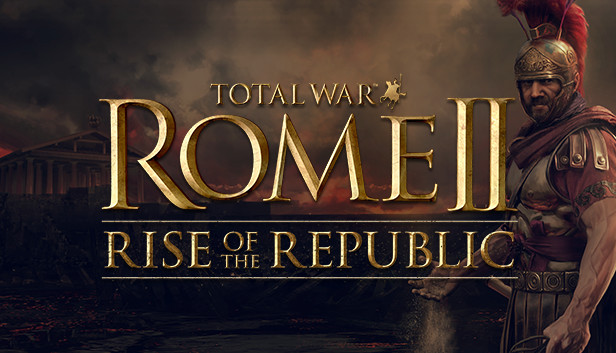
DLCTotal War: ROME II - Rise of the Republic Campaign Pack$11.16$3.72-67%→Prix issus de GOG
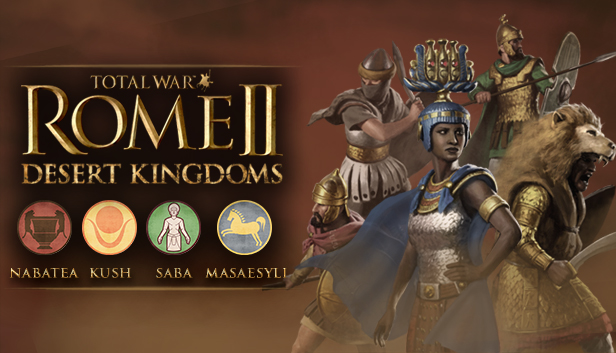
 GOGTotal War: ROME II - Desert Kingdoms Culture Pack
 KinguinTotal War: ROME II - Desert Kingdoms Culture Pack DLC PC Steam CD KeyRendez-vous sur la boutique pour vérifier la disponibilité dans votre région.
 K4GTotal War: ROME II - Desert Kingdoms Culture Pack RoW Steam CD KeyRendez-vous sur la boutique pour vérifier la disponibilité dans votre région.
 GAMIVOTotal War: Rome 2 - Desert Kingdoms Culture Pack DLC GlobalRendez-vous sur la boutique pour vérifier la disponibilité dans votre région.-53%à partir de≈ $4.22(€3.64)Acheter
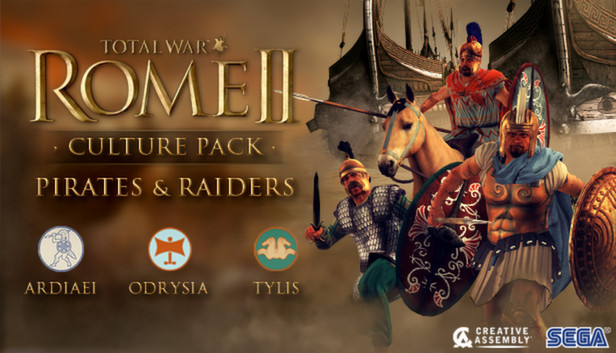
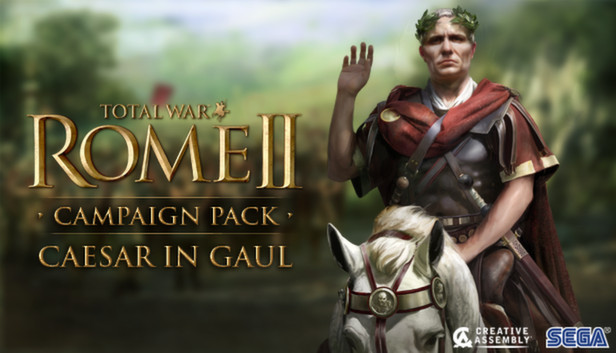
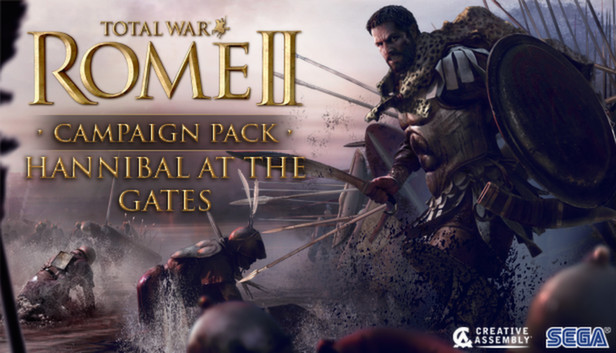
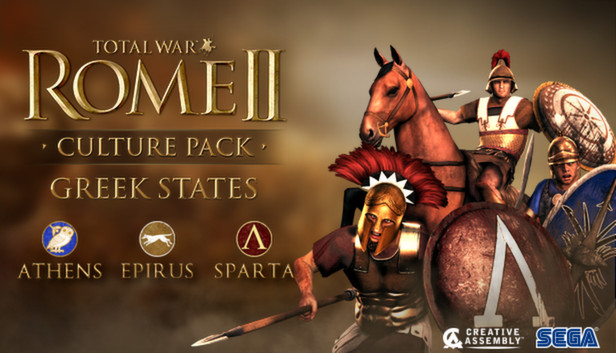
“An ancient epic that survived launch hell and a free Emperor Edition rescue, pairing empire management with mass battles at the series' largest scale”

Rome II's place in history only reads fairly in two acts. At release it shattered the series' records for launch-day sales and concurrent players, moved roughly 800,000 copies in its first month and 1.13 million across Europe and North America in half a year — the fastest-selling Total War of its day, and proof of the pulling power of the Roman setting. Against that commercial surge ran a roller-coaster reputation: a 76 critic average on Metacritic against a 4.5 user score, a rare and glaring gulf that spelled out the launch crashes, the twenty-frame campaign map, the AI that did not work.
The real turn was the free Emperor Edition of 2014. It rebuilt the most-roasted systems — politics, civil war, battle AI — from the ground up, threw in macOS support and a free civil-war campaign, and restored the breath the launch was missing. Looking back now, the verdict has flipped: a steady 87 percent positive across some 54,000 Steam reviews says it finally grew into a sequel worthy of the original in nearly every respect. That comeback curve, not the rage of one week in September 2013, is the thing to keep your eye on.
Who should buy it is plain: the grand-strategy player who loves ancient warfare, wants to pick one of Rome, Carthage, the Greek city-states or Macedon and fold the whole Mediterranean into their borders over hundreds of turns, and is willing to truly learn the province, politics, diplomacy and tech systems. It offers a weight of satisfaction — directing an entire classical epic by hand, from a single city to a sea-spanning empire — that is genuinely hard to find anywhere else in the genre.
Who should not buy it is equally plain: the light-strategy player who wants to jump in without an hour of tutorial, or the series veteran who misses the tighter, more focused scale of the 2004 original. Rome II's direction is consistently bigger, broader, more complex — never smaller, sharper, leaner — and that is best understood before you spend. If you bounce off a menu the moment it sprouts a third sub-tab, this is not the war you want to fight; the systems reward patience and punish the impatient with a wall of edicts, agents and tech nodes on turn one.
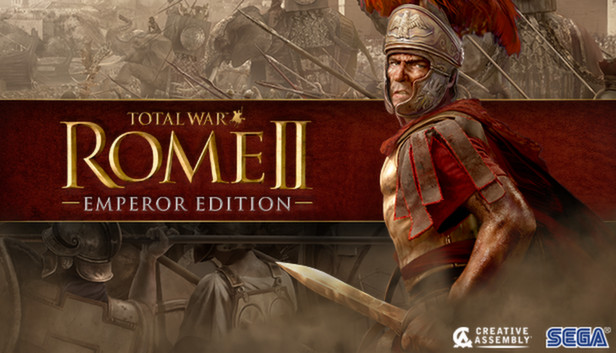
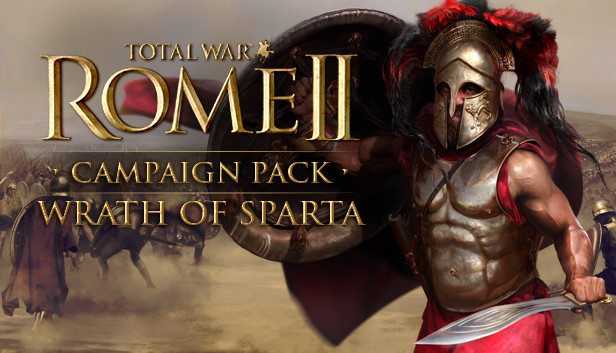
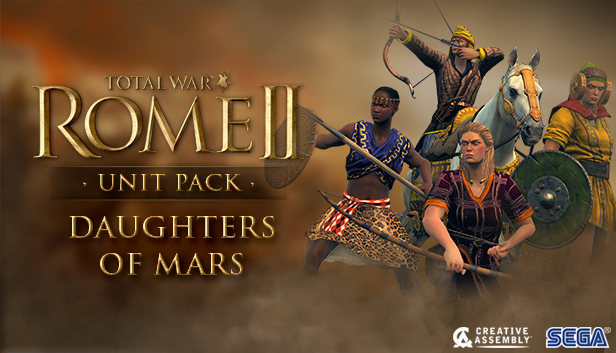
On editions, a clear recommendation: the Emperor Edition you buy now is already that free-overhaul compilation — base game plus the free Imperator Augustus campaign plus every free update through Patch 15 — the version most players own and the most complete one going, so there is no risk of landing back in the launch build. If you also want the Peloponnesian War and more Greek factions, the Spartan Edition stacks Wrath of Sparta, Greek States and Daughters of Mars on top, but the Emperor Edition is the sensible default for a first purchase.
Which returns to the one thing it owns: Rome II folds managing a vast classical empire and personally commanding a mass land-and-sea battle into a single board, at the largest scale the series has ever run. Its sharpest rival, Imperator: Rome, hands you a precise abacus and never a battlefield to step onto — and that is exactly why Rome II, launch scar and all, still earns a firm recommendation to every lover of ancient warfare and grand strategy. It is a game that asked to be judged twice: once in 2013, when it failed, and once in the years after, when it quietly became the thing it had always meant to be. Judge it by the second verdict. On balance, 8.0.
Commentaires 0
Votre avis nous intéresse
Bienvenue ! Partagez votre avis sur ce jeu — une surprise attend peut-être la première personne à commenter.
Aucun commentaire pour l'instant. Soyez le premier.