Which Shooting Style Truly Defines Your Muscle Memory: Bullet Hell, Melee, or Demolition
Sélection de Alex 陈 · ·listDetail.views: 2,734 Commentaires
When we discuss shooters, we tend to default to the "FPS or TPS" binary. But what actually builds muscle memory is the underlying mechanical layer—the relentless movement and resource trading of the *Doom* series, the bullet-hell combat reframed through fighting game systems in *Guilty Gear* and *Dragon Ball FighterZ*, or the three-dimensional maneuvering and lock-on mechanics of *Ace Combat 7*. This article examines 12 titles through the lens of "bullet-hell shooting mechanics," tracing how each establishes its own shooting vocabulary within its respective lane, and why they've maintained 85%+ positive ratings on Steam while shaping the games that followed.
When we discuss shooters, we often default to the "FPS or TPS" binary. But what truly shapes muscle memory runs deeper—is it the relentless mobility and resource warfare of DOOM? The projectile duels reframed through fighting game mechanics in Guilty Gear and Dragon Ball FighterZ? Or the three-dimensional maneuvering and lock-on systems of Ace Combat 7? This piece examines how 12 titles built distinct shooting languages within their respective lanes, why they maintain 85%+ Steam approval ratings, and how they continue influencing successors.
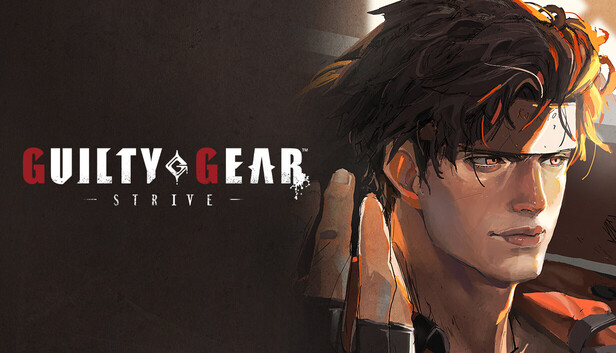
Image: 罪恶装备:斗争
Tags: Action, 2D Fighter, Anime, Fighting, Multiplayer
Arc System Works fuses traditional fighting frameworks with bullet hell suppression theory. Characters like May's laser arrays and Ramlethal's blade storms function as zoning systems driven by fighting game inputs. Steam data shows consistent 3000+ daily peaks, with core players using the RC system (Roman Cancel) to manipulate projectile trajectories in spacetime—this "pause-reconstruct-release" rhythm compresses a shooter's dodge-and-counter exchange into 0.5-second windows.
Image: 龙珠:战斗者Z
Tags: Action, 2D Fighter, Anime, Fighting, Multiplayer
Arc System Works redefined "bullet hell shooting" through fighting game architecture—when Goku's Kamehameha intersects with Frieza's Death Beam, you need frame reads and reactions, not crosshair precision. The 3v3 assist system creates layered projectile suppression: while your point character executes close-range combos, backline characters fire covering energy waves, forcing opponents to chain "identify trajectory-air dash-counter assist" decisions in 0.2 seconds. Behind the 90% approval rating lies Arc's perfect unification of animation cinematography with hitboxes—every ki blast is both visual spectacle and tactical unit requiring precise spacing.
Image: 七龙珠 电光炸裂!ZERO
Tags: Action, 2D Fighter, Anime, Fighting, Multiplayer
When 182 characters fire Kamehamehas simultaneously, you need spatial awareness from bullet hell games, not frame calculations from fighters. This entry transforms 3D arenas into volumetric bullet fields—Goku's Instant Transmission isn't a mobility skill but a survival tool for dodging Master Roshi's 20-shot energy barrage. The 88% rating reflects the series' first "full-roster projectile shootout": Vegeta's Final Flash covers a 120° cone, Frieza's Death Beam requires predicting three trajectory segments. 48,000 reviews prove that when fighting frameworks meet Touhou-level projectile density, muscle memory requires recalibration—not combo cancel windows, but spatial computation identifying 12 intersecting energy beam crosspoints in 0.3 seconds.
Image: 真人快打11
Tags: Action, 2D Fighter, Gore, Fighting, Multiplayer
Fighting games often hide "bullet hell" within combo systems—Mortal Kombat 11's Fatal Blow mechanism pushes this to extremes. The super move triggered below 30% health isn't just visual violence culmination but a single-instance release of 20+ hitbox projectiles. Combined with Krushing Blow's conditional trigger system (14 scenarios including specific counters and consecutive blocks), you must predict opponent attack rhythms like dodging Touhou patterns. Behind the 88% rating, NetherRealm quantified violent aesthetics into trainable muscle memory through frame data—perhaps the most "hardcore" bullet hell shooter.
Image: 终极街头霸王4
Tags: Action, 2D Fighter, Competitive, Fighting, Multiplayer
As the fighting game benchmark, Ultra Street Fighter IV redefined "shooting" through 44 characters' differentiated projectile systems—Ryu's Hadoken, Chun-Li's Kikoken, Guile's Sonic Boom each possess unique velocity, recovery, and hitboxes. The 91% rating reflects player recognition of "reading opponent fireball rhythm" as core skill: you must judge within 0.2 seconds whether to jump over, dash through, or break with EX moves. This trajectory-prediction depth made it a competitive fighting textbook for a decade.
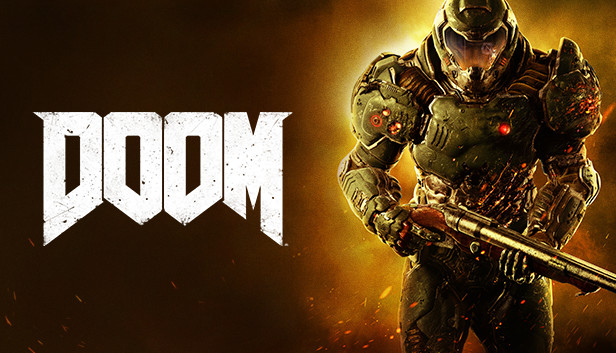
Image: 毁灭战士
Tags: Action, FPS, Singleplayer, Shooter, Gore
The 2016 reboot upended modern shooters with one design philosophy: eliminate ammo anxiety, force players toward enemy clusters for health via "Glory Kill" mechanics. Behind the 95% rating lies precise bullet density calculation—when seeking 3-frame vulnerability windows among Hell Knight fireballs, Imp energy shots, and Summoner portals, you discover this isn't mindless shooting but violent ballet woven from positioning and execution animations. The Super Shotgun's charged shot clears half-screen projectiles, but the 0.8-second windup forces spawn point prediction—this "offense-as-defense" resource loop transformed 150,000 players' muscle memory from "find cover" to "find next execution target."
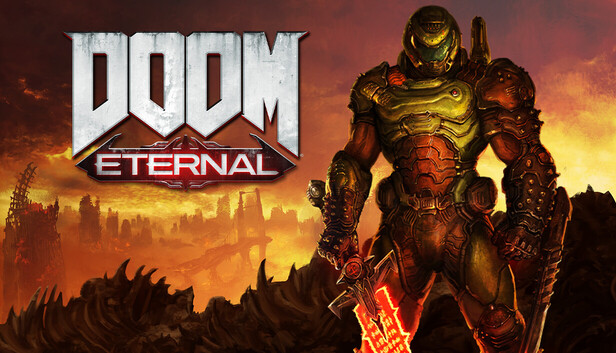
Image: 毁灭战士:永恒
Tags: Action, FPS, Fast-Paced, Fighting, Multiplayer
The textbook case binding bullet hell shooting to resource management. Behind the 91% rating lies "Glory Kill" innovation—melee executions restore health and armor, forcing you into projectile gaps for close contact. Combined with chainsaw ammo refills and flamethrower armor drops in triangular circulation, it completely overturned traditional FPS cover thinking. When 180,000 players witness you using the Super Shotgun's Meat Hook to vault mid-air and calculating rocket ricochet angles through ballistics, they understand why id Software made "perpetual motion combat" the post-2020 shooter design benchmark.
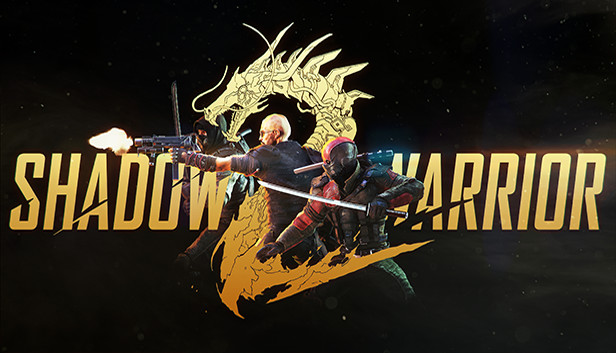
Image: 影子武士2
Tags: Action, Adventure, FPS, Singleplayer, Shooter
When DOOM uses ammo scarcity to force melee, Shadow Warrior 2 makes the katana the primary weapon—behind the 87% rating lies Flying Wild Hog's extreme balance of "projectiles + blades." You must seamlessly switch between SMG bursts and blade executions because enemy projectile density adjusts dynamically to your distance. More aggressive is the RPG weapon modification system: the same shotgun can be modded into an explosive projectile launcher. This design forcing players to oscillate between shooting and melee directly influenced later titles like Ghostrunner's dual-form combat.
Image: 影子武士
Tags: Action, Adventure, FPS, Gore, Funny
Flying Wild Hog redefined "projectile clearing" rhythm with Japanese katanas—behind the 92% rating lies a hybrid system seamlessly linking melee executions with ranged firepower. Unlike DOOM's pure gunplay warfare, Shadow Warrior requires rapid switching between SMG sweeps and katana chains: bullets break enemy armor, blades harvest low-health targets triggering slow-motion executions. This "shoot-melee-execute" three-phase loop transforms projectiles from pure fire coverage into tactical tools creating offensive windows for melee. 15,820 players' positive reviews prove: when Eastern martial arts meet Western FPS, muscle memory must simultaneously adapt to triggers and blades.
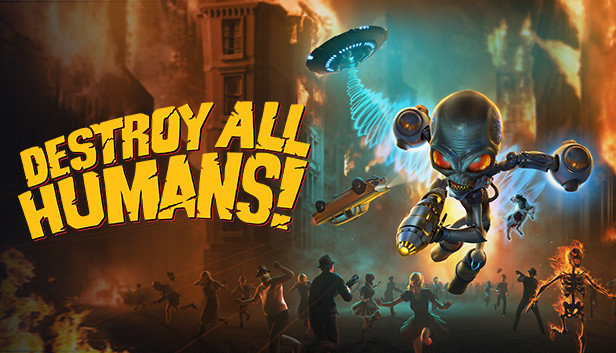
Image: 毁灭全人类!
Tags: Action, Adventure, FPS, Gore, Funny
When DOOM uses ammo scarcity to force melee, Destroy All Humans! does the opposite—the saucer's main cannon's infinite firepower delivers "suppressive fire superiority" satisfaction. The trinity weapon system of death ray sweeps, ion detonations, and psychic control simplifies traditional shooting's "aim-shoot" to "lock-clear," combined with time-stop and levitation abilities forming volumetric suppression nets. Behind the 92% rating lies B-movie black humor: when you scan human brains with probes and abduct cows with tractor beams, shooting stops being survival and becomes alien colonizer daily routine.
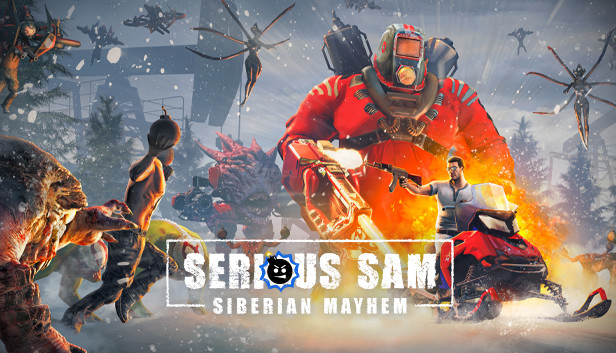
Image: 英雄萨姆:西伯利亚混乱
Tags: Action, Adventure, FPS, Singleplayer, Shooter
Behind the 93% rating lies extreme distillation of Serious Sam's core formula: Siberian open terrain makes "hundred-enemy sieges" not gimmicks but survival challenges requiring lateral strafing to dodge projectiles and weapon switching to break fire vacuums. Compared to DOOM's resource recovery mechanics, this relies more on terrain elevation and sightline management—when Kamikazes scream toward you, you need not precision headshots but finding 3-second breathing windows in projectile gaps. This "counter density with movement" design makes it the benchmark testing players' spatial awareness.
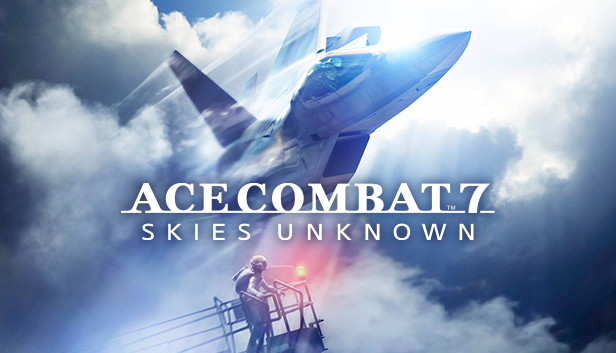
Image: 皇牌空战7:未知空域
Tags: Action, Simulation, Flight, Singleplayer, Arcade
When bullet hell shooting meets three-dimensional airspace, Ace Combat 7 redefines "evasion" through missile trajectories. Behind the 87% rating lies its original "cloud tactics system"—you must predict enemy lock-on windows during high-speed maneuvers, using airflow turbulence to shake tracking projectiles rather than traditional FPS planar strafing. Data validated by 40,000+ players shows: when completing barrel roll evasion and counter-locking 12 missiles at Mach 6, the muscle memory formed completely differs from ground shooters—this is bullet hell grammar belonging to three-dimensional space.
From fighting games' projectile systems to old-school FPS resource management philosophy, these 12 titles interpret shooting's essence through different approaches—they teach players not just aiming, but rhythm, spatial sense, and decision chains.
 EnebaPLN 54.24Steam PLN 54.24Voir le prix →
 GAMIVOPLN 30.38Steam PLN 30.38Voir le prix →
 KinguinPLN 11.15-96%Steam PLN 11.15Voir le prix →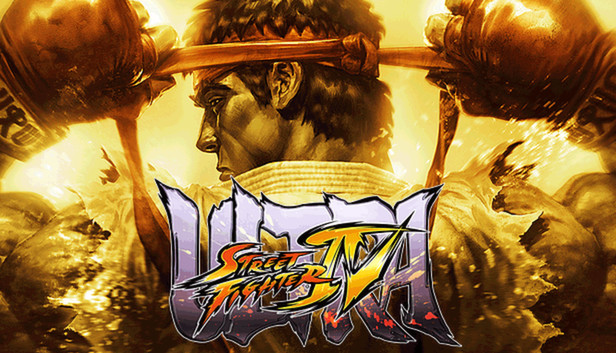
 GOGPLN 6.16-90%Steam PLN 6.16Voir le prix →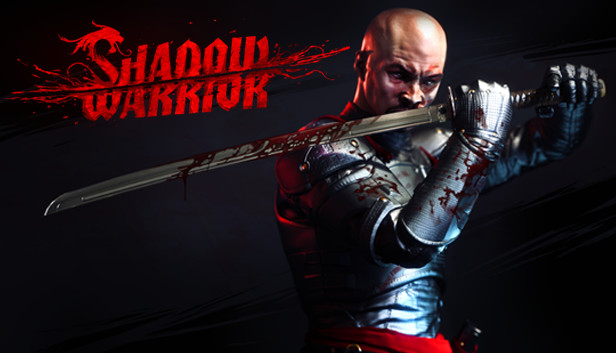






Commentaires 0
Votre avis nous intéresse
Participez à la discussion et partagez votre avis sur ce jeu.
Aucun commentaire pour l’instant. Partagez votre avis.