
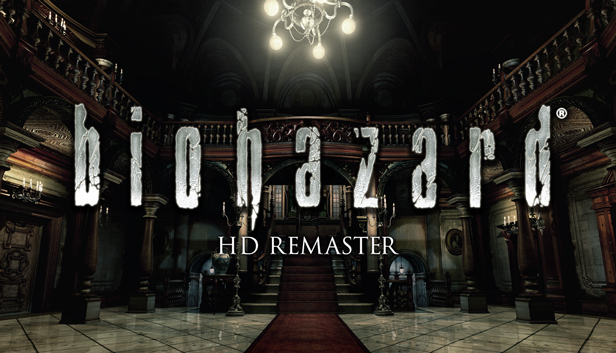
biohazard HD REMASTER
レビュー価格履歴
直近 36 か月 · 毎日更新価格は Steam 公式と 39 社の正規ストアを対象とし、正規の提示価格のみを集計しています。グラフは直近 36 か月について、週ごとの市場下限価格と Steam 公式価格を表示します。
価格履歴は米ドルで記録しています。表示金額は 2026-09-16 時点の欧州中央銀行レートで JPY に換算した参考値です。実際のお支払い額はストアのページをご確認ください。
制作スタッフ

“Tight resource management and mansion puzzles anchor this foundational survival classic, elevated by restrained sound design and era-specific mechanics worth a measured try.”
編集部の総評
If you are willing to spend the ten to twenty-odd hours it asks for, and to accept a brand of survival design that is old-fashioned, restrained, and at times frankly unaccommodating, Resident Evil is worth it. Worth it not because it does everything well, but because one part of it is still genuinely hard: resource management, spatial exploration, and sustained tension combine into a rare kind of pressure. You are not clearing a map. You are trying to survive. The difference is enormous, and it is the difference that has kept this game alive.
What still holds, decades on
The core that endures is the interlock between three systems that lesser games keep apart. Scarcity forces you to weigh every shot; the locked-door architecture turns the mansion into a map that grows in your head; and the audio design uses silence to keep your nerves taut between encounters. None of these are spectacle. All of them are discipline. Together they produce the feeling the whole experience is built to protect, the hesitation of someone who would rather not spend what little they have, and that feeling has aged far better than any of the surfaces wrapped around it. It is worth stressing how unusual that interlock still is. Most games keep their systems in separate lanes, letting you shoot when you want to shoot and solve when you want to solve. Here the lanes are deliberately tangled, so a combat decision is also a resource decision is also a navigation decision, and you cannot optimise one without paying somewhere else. That refusal to let any single system relax is what generates the constant, low-grade pressure the whole experience runs on, and it is why a quiet corridor with nothing in it can still feel more demanding than a set-piece in a louder game. The design trusts that tension, and it earns that trust.
The rough edges the years left behind
It also, unmistakably, carries the burrs its era left on it. The visuals are old, the animation is old, the text and dialogue are old, and the overall volume of content is not generous by today's standards, with replay value leaning heavily on whether the multiple routes and endings are your sort of thing. So it is not a classic you can recommend to absolutely anyone without caveat. It is more like an older film you need to set your expectations for before you start: the pacing is slower, the performances are dated, but the camera language is still rock solid. Against the second-game remake it gives up some narrative scale and overall finish; against the Silent Hill remake it lacks that lingering psychological aftertaste. As the foundational entry of the series, though, it still has a vivid reason to exist. The remakes that followed are, in almost every measurable way, more complete works, and a newcomer chasing the most polished version of this idea should probably start with one of them. But polish and primacy are different virtues. This is the entry where the formula was first set down with conviction, before it had been smoothed and modernised, and there is a bracing directness to that original statement that the later, friendlier versions inevitably soften. Coming to it now is less like playing an inferior draft and more like reading a first edition, rough at the edges yet carrying an authority the reprints cannot quite reproduce.
The verdict
Scored on what a player actually experiences today, it is no masterpiece, and it should not be propped up on nostalgia either. A 7.5 fits. Anyone who loves the history of frightening games, or who wants to try the prototype that survival design grew out of, will not feel cheated by it. Anyone chasing only modern handling and a large volume of content should temper their expectations going in. Its most compelling quality is precisely the set of inconveniences that have become so rare elsewhere. It is irritating. It is also, somehow, addictive. Old enough to feel coarse on the tongue, sharp enough to still unsettle you, it remains a foundation the genre keeps quietly returning to. Approach it the way you would approach any genuine classic, on its own terms and with your expectations calibrated, and it repays the courtesy generously. Rush it, or measure it against the conveniences of the present, and it will only frustrate. The choice of how to meet it is entirely yours, and that, fittingly, is the same kind of deliberate decision the whole game is built to make you take. Few titles this old still ask so much of a player, and fewer still make the asking feel like part of the reward.
プレイヤーレビュー 0
ご意見をお聞かせください
このゲームについての感想や評価をお寄せください。
プレイヤーレビューはまだありません。最初の一件をどうぞ。