Neon lights pull out long trails of light through the curtain of rain, electronic noise hangs like a layer of fog, wrapping every alley and terminal screen—within a cyberpunk world, real battles rarely happen at the trigger, but are completed in the gaps between information, choices, and the human heart. This list is here to lead you into 14 “cyber mazes,” each with its own unique temperament: some are augmentation-packed metropolises lit by blades and gunfire, some are datafied, cold dynastic chessboards, and some are “high-dimensional system chassis” cloaked in fantasy. They are not “puzzle games” in the traditional sense, yet through side investigations, intel-based deduction, and rule deconstruction, they turn every conversation, every skill point allocation, and even every battle into a small-scale reasoning experiment about the truth of their worlds. Ranking them by overall impact mainly serves to help you decide “which door to step through first into this neon jungle.”
1. Cyberpunk 2077 #

 GOG€11.63-70%Steam €11.63Zobacz cenę →
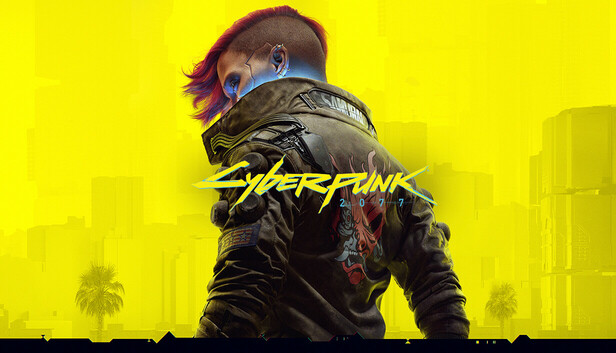
Night City is like a circuit board sliced into countless layers; every side quest and every cyberware upgrade is a tiny probe plugged into it. The puzzles in Cyberpunk 2077 aren’t in trap rooms, but in flows of information: investigating crime scenes, hacking networks, tracking down contradictory testimonies, slowly piecing together corporate conspiracies and relationship webs as side quests intertwine with the main story. You can “crack” encounters with stealth and hacking, or reason out the optimal course of action through dialogue choices and background files. It turns “making choices in a high-density data stream” into the modern benchmark for the cyberpunk puzzle experience.
2. Fallout: New Vegas #
 Kinguin€2.49-75%Steam €2.49Zobacz cenę →
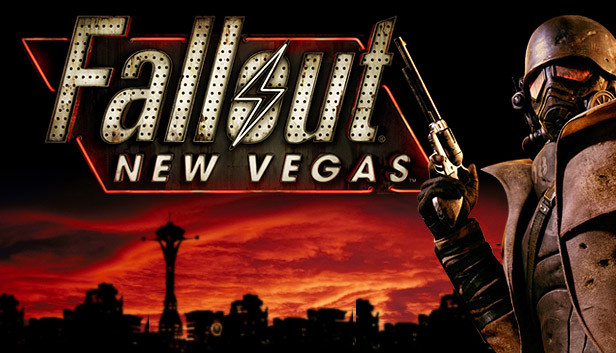
The neon of New Vegas isn’t quite cyberpunk, yet it carries the same cold metallic taste. Here, puzzles arise more from power and positions: you shuttle between factions, collect intel, cross-check testimonies, read terminal logs—it feels like a slow and intricate exercise in political deduction. Behind each seemingly simple fetch quest lies a different answer to questions of order, freedom, and technological control. Through massive branching dialogue and quest clues, the game constructs a network of wasteland power, letting you personally “write” your own version of a post-apocalyptic cyber fable when you decide who lives or dies and who controls technology.
3. Fallout 4 #

 Eneba€3.14Steam €3.14Zobacz cenę →
Under the dim yellow lights, the Boston wasteland feels like a half-crippled data center. Fallout 4 uses layers of terminals, logs, and holotapes to break down a techno-dystopian tale of synths and humans into countless fragments scattered throughout the ruins. Moving between derelict factories and research labs is like reading through a long-corrupted server line by line: password cracking, evidence comparison, and side-quest choices all work together to reveal the true face of the Institute and the other factions. It lacks ornate puzzle contraptions, yet through information gathering and choice-based reasoning, it left a clear template for later tech-driven narrative puzzle design.
4. Radiation: A Post-Nuclear Role-Playing Game #
 CDKeys€1.96-79%Steam €1.96Zobacz cenę →
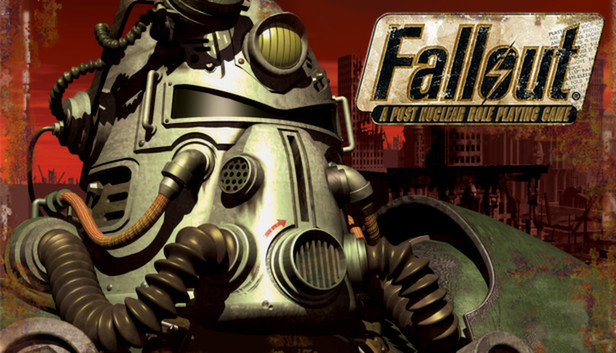
The first Fallout feels like an old technical document with plain formatting—so calm it’s almost cruel. Through copious text, numbers, and branching quests, it breaks a high-tech post-apocalyptic society down into a series of “hypotheses to be tested.” You probe in conversations, rummage through computer terminals, and observe variable changes in quest outcomes—the real puzzle isn’t a contraption, but figuring out why every faction acts the way it does. It’s a primitive yet fascinating form of “information-driven RPG”: treat the world as a system to be simulated and let players find the logic of civilization’s collapse in conflicting reports.
5. Fallout 2: A Post-Nuclear Role-Playing Game #
 CDKeys€2.08-78%Steam €2.08Zobacz cenę →
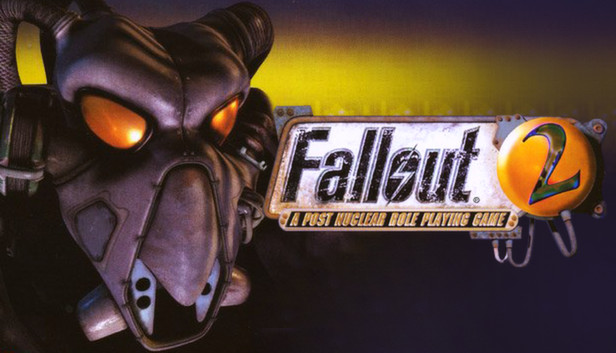
Fallout 2 feels like installing more dangerous and bizarre modules onto that old machine from the first game. Factions multiply and quest structures become more like a tangled circuit board: the same clue can lead to completely different endings, and the same quest segment can be “rewritten” from different standpoints. You switch identities between chip implants, terminal records, and closed-door negotiations like a debugger constantly rebooting, trying to find a solution that both keeps you alive and maintains some semblance of order. The core puzzle is to find the logical chain you accept within a chaotic web of post-apocalyptic tech conspiracies.
6. Crusader Kings 3 #
 GameBillet€11.54-74%Steam €11.54Zobacz cenę →
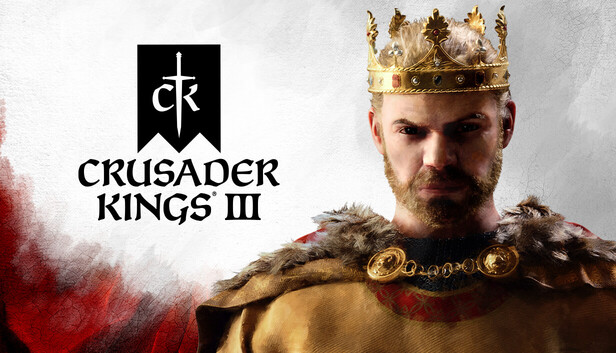
Crusader Kings III looks like a medieval map on the surface, but under the hood it’s a massive data visualization panel. Every character is a dynamically updated “data entity,” with traits, relationships, and secrets stuck to them like tags. Through intel, decisions, and schemes you untangle dynasty-spanning mysteries: who is secretly backing a revolt, which marriage will unlock future inheritance benefits, which assassination is the key node in the chain. It abstracts grand narrative into a logical system that can be simulated, letting you solve a long-form “cyber dynasty” puzzle through UI and numbers.
7. Crusader Kings II #
 GOG€0.00Steam €0.00Zobacz cenę →
In Crusader Kings II, people are no longer just portraits and names, but strings of data waiting to be parsed. Bloodlines, titles, personalities, religions, and grudges weave together into a low-fantasy “cyber society”: you move back and forth between family trees and intel panels like an analyst combing through a database. The puzzle lies in spotting the relationship chains that can be pulled and the conspiracy threads that can be exploited—a coup, a succession, a secret letter; all are logical problems thrown at you by the system. Through event trees and information visualization, it turns “dynastic gossip” into a vast web of intrigue and deduction.
8. Library of Ruina #
 GAMIVO€21.25Steam €21.25Zobacz cenę →
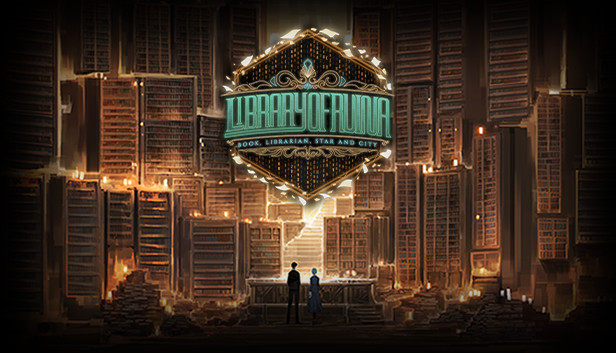
In a towering library of paper, every battle is a dangerous literary experiment. Library Of Ruina uses “page-flipping card combat” to simulate disarming a complex mechanism: enemies’ behaviors are written on pages, and through repeated failures you collect more texts and intel, gradually grasping the underlying logic of this brutal ruleset. The city’s cold lighting and runaway technology suffuse it with a strong, dark cyberpunk feel. The true puzzle lies between deckbuilding and narrative reading, as you slowly uncover the operational secrets of the library, the city, and the organizations behind them—every clear is like completing a ritual-level deduction.
9. Marvel Midnight Suns #
 Kinguin€6.88-91%Steam €6.88Zobacz cenę →
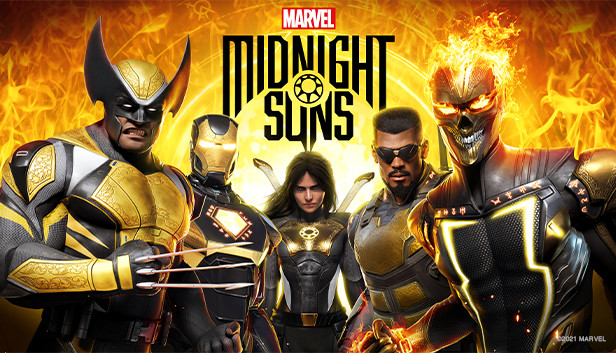
If you tossed superheroes into a processor blending magic and technology, you’d probably get something like Marvel’s Midnight Suns. On the surface, combat is about cards and positional tactics, but underneath is a chain of deduction around intel, relationships, and pre-battle prep: who deploys first, who should team up, which card combinations crack a particular encounter? Base exploration and conversations form another layer of puzzle UI, where clues unlock events and reveal enemy conspiracies. Wrapped in bright comic-book art is a “superhero cyber-conspiracy drama” tightly meshing tactical planning with story-driven reasoning.
10. Age of Wonders 4 #
 Eneba€16.62Steam €16.62Zobacz cenę →
Age of Wonders 4 wears a fantasy cloak, but at its core beats a high-dimensional logic engine driven by rules. Every race template, spell combo, and city decision is a parameter you plug into the system. The fun of puzzling it out lies in reading this world’s “code,” understanding which mechanics will cascade into chain reactions, then projecting the course of an entire match. It lacks the neon and cyberware typical of cyberpunk, yet its sense that “data is truth” gives it an abstract cyber air—finding an optimal path through a dense jungle of rules.
11. DAVE THE DIVER #
 Eneba€4.88Steam €4.88Zobacz cenę →
The blue sea is as gentle as a vacation ad by day, but at night the deep water quietly flickers with cool neon. DAVE THE DIVER wraps a clue trail about ancient civilizations and corporate conspiracies in laid-back management and diving: you collect fragments, ruins, and anomalies on each dive and patch them together through dialogue and quests. The pace is unhurried, like conducting a leisurely underwater cyber investigation: every newly unlocked area further confirms that hidden thread. Beneath the warm pixel art lies a gentle interrogation of capital and the limits of technology.
12. Regicidal Princess — Perfect Edition #
 Eneba€8.41Steam €8.41Zobacz cenę →
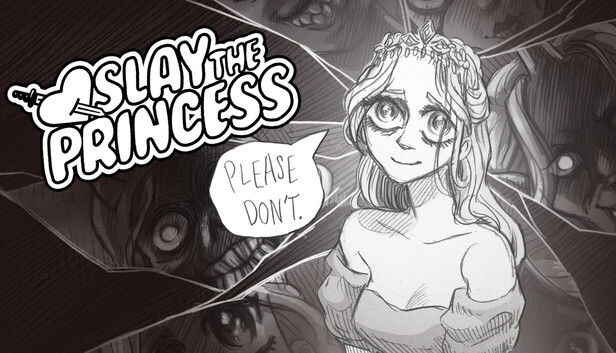
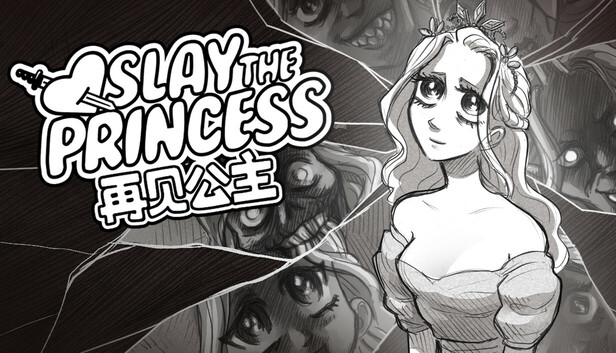
A path, a cabin, a princess—the setup is as simple as a fairy-tale opening, but Slay the Princess hides its true puzzle in time loops and self-perception. With each loop you compare yourself to your past iterations through dialogue, choices, and memory fragments, overturning old conclusions and building new hypotheses. Who is the princess, who are you, and how does this world operate? These questions slowly evolve from a vague sense that “something’s off” into a coherent chain of reasoning. It has almost no cyber exterior, yet its structure and themes are profoundly “cyber”: layered experiments on identity, free will, and narrative control.
13. Halls of Torment #
 Kinguin€5.45Steam €5.45Zobacz cenę →
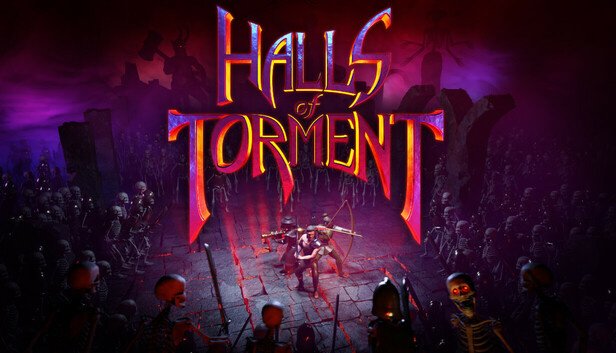
Halls of Torment feels like a dungeon server constantly refreshing its configuration, throwing you into the same “test environment” again and again to probe for optimal solutions. On the surface it’s about mowing down enemies and leveling up, but at heart it’s a puzzle of enemy mechanics and map patterns: when do certain monsters spawn, which routes are safest, which skill builds just barely overcome the next wave of pressure? Each run is a “load-and-debug” pass on the system. When you finally move effortlessly through its familiar dark corridors, the thrill of having fully decoded the rules is very cyber—and very addictive.
14. Vampire Survivors - Vampire Survivors #
 Kinguin€2.86-43%Steam €2.86Zobacz cenę →
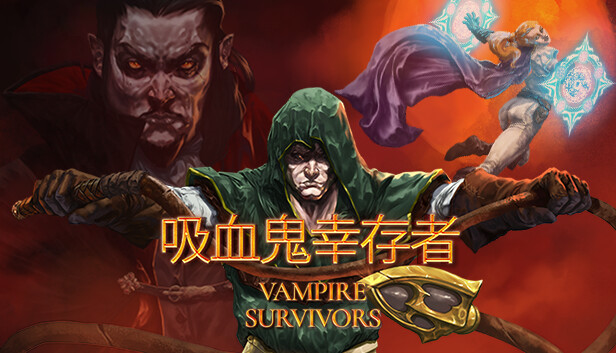
In the pixel noise of Vampire Survivors, you hardly need to operate at all; all the puzzling happens in those few seconds when you choose what to pick. Behind the simple movement and auto-attacks lies a precise build equation: which weapon combos evolve into advanced forms, which passive stacks carry you through specific time thresholds, which goals to prioritize on which maps? Enemy waves roll in like ever-denser streams of code, and you must make the most rational choices under heavy informational pressure. It condenses the high-pressure data streams of cyberpunk into a minimalist yet brutal “build reasoning experiment.”
From augmentation-heavy megacities to wasteland neon, from dynastic data chessboards to minimalist build formulas, these 14 works together form an invisible branch of “cyberpunk-style puzzle RPGs.” They may not share a unified visual style, but through clue gathering, system deconstruction, and choice-based reasoning, they all let players seek truth and self in the flow of information. May this list help you find the entrance to the neon maze that belongs to you.





Komentarze 0
Chętnie poznamy Twoje zdanie
Dołącz do dyskusji i podziel się opinią o grze.
Brak komentarzy. Dodaj swoją opinię.