Aktualność
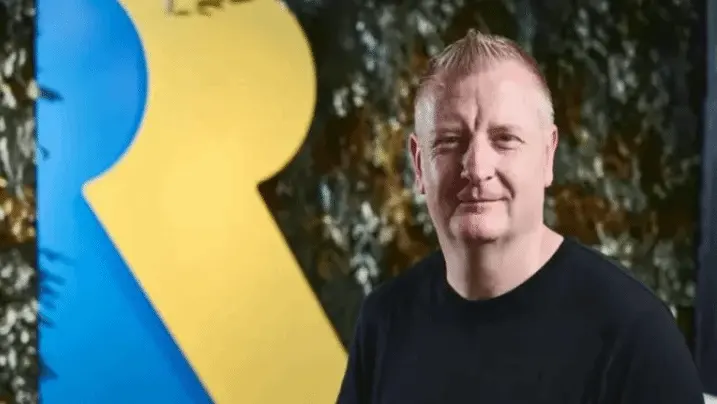
Xbox Game Studios head Duncan resigns, Fable franchise future uncertain
Craig Duncan resigned as Xbox Game Studios head after 14 months. The Game Business confirmed; Micros















Tymon Smektala, franchise director for Dying Light, confirmed on social media today that he is stepping down. After more than ten years at Polish developer Techland, he says he is starting a “new chapter” in life.
For long-time fans, this is not a minor departure. Smektala was never just a name in the credits. He first worked on the original Dying Light as a producer, moved into a design role on the sequel, and eventually became the overall director of the series. Spending more than a decade threading one career path through the same game lineage is unusual in a franchise built on long-term support and repeated content updates. When a figure like that leaves, players naturally start asking the same question: the world may still be there, but will future expansion keep the same identity?

Based on what is known so far, Techland has not given any obvious sign that the series is losing control. In his farewell message, Smektala said Dying Light is currently in “very reliable hands,” and Dying Light: The Beast has already launched successfully. Earlier this year, it also received the major content update “Restored Land.” That matters more than any reassuring statement. This is not a project collapsing midstream, and it is not a content roadmap suddenly going dark. It looks more like a handover inside a system that is already up and running. For players who care about live support, the real indicators are straightforward: are updates still arriving, and is there still a team carrying them forward?

From a series-watcher’s perspective, the most important part of this change is not simply who left, but whether Dying Light becomes more conservative or more willing to change. The franchise has always had a clear sandbox identity: parkour, the day-night cycle, the pressure of melee combat, and open-area resource gathering combined with route planning. At its core, it is a survival sandbox that asks players to set their own rhythm. When a game like that changes key leadership, two paths usually emerge. One is to preserve the existing structure and refine it. The other is to use the transition to rework parts of its expression. There is no answer yet on which direction Techland will take, but ongoing updates for The Beast at least suggest the foundation has not been abandoned.

Community reaction will probably split in two. One side will treat this as the end of an era and thank Smektala for helping carry the series from the first game to where it is now. The other will be more practical and judge everything by future update quality and the pace of new content. That second view is closer to how games like this actually survive. Player loyalty in open-world survival action games ultimately rests on feel, volume of content, and whether the live-service promises are delivered, not on a farewell letter by itself. Smektala also publicly thanked Techland’s development team, publishing team, and the player community, which at least suggests the separation was not especially bitter. There is no reason to assume the worst before any evidence appears.

If you are still deciding whether to try Dying Light: The Beast, the practical takeaway is simple: do not let “director departure” become the whole story. Watch the update cadence, the completeness of the content, and the community response. For existing players, this looks more like a sign that the series is entering a new operating phase. For newcomers, the standards are still the same old ones: does the parkour-and-combat loop hold your attention, is the post-update content dense enough, and can Techland keep maintaining this post-apocalyptic sandbox? As for Smektala’s next move, he has not revealed it yet. For now, that remains an open question. What matters more is where Dying Light goes next.
Komentarze 0
Chętnie poznamy Twoje zdanie
Witaj! Napisz, co sądzisz o tej grze — pierwsza osoba może się mile zaskoczyć.
Nie ma jeszcze komentarzy. Napisz pierwszy.