This list looks at one thing only: which co-op games in a medieval fantasy lane are most worth your money and an entire weekend. The standard is simple—not just setting and surface appeal, but whether the gameplay loop holds up, whether cooperation creates real chemistry, and whether the game’s content and long-term reputation are solid. The ranking goes from most to least recommended, with priority given to games that combine overall quality with that strong “one more run / one more chapter” pull. Some popular games land lower because their fit with the theme, or the way they handle co-op, is less pure.
1. Baldur's Gate 3 #
 GOG¥4,901-30%Steam ¥4,901Ver preço →
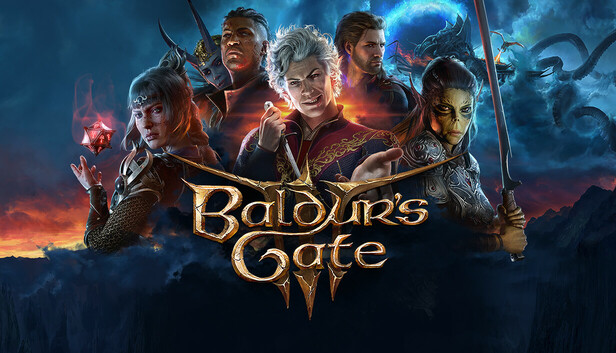
If you want the purest version of party-based tabletop adventuring, Baldur’s Gate 3 is almost untouchable. Its strength is not raw stat inflation, but the way it fuses D&D rules, environmental interaction, and branching narrative into a complete loop. In multiplayer, teammates can split up to sneak, talk their way through, or set up ambushes, and just as easily turn a plan into disaster comedy on the fly. Co-op is not an accessory here; players genuinely share decision-making and room to perform. Within medieval fantasy, its worldbuilding, class construction, and content density are all top-tier.
2. It Takes Two #
 GAMIVO¥951Steam ¥951Ver preço →
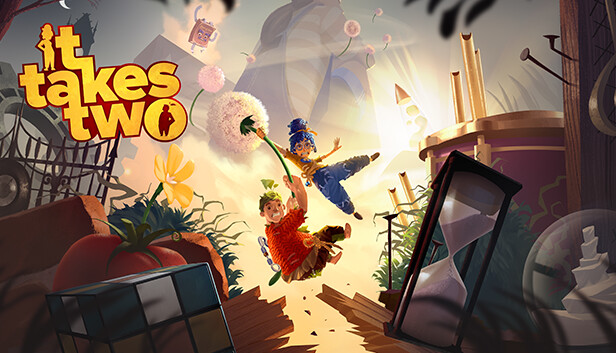
Strictly speaking, It Takes Two is not pure medieval fantasy. It feels more like a blend of fairy-tale puppet theater and magical fable, so it does not lead on thematic fit. As a two-player co-op game, though, it is absurdly strong. Nearly every chapter introduces new mechanics, constantly rotating through platforming, puzzles, combat, and interactive set pieces. Many stages explicitly require role division, synchronization, and mutual support, so one player cannot simply coast while the other carries. In terms of pure two-player design, it remains one of the most reliable picks on this list.
3. Kingdom Come: Deliverance 2 #
 GOG¥2,144-60%Steam ¥2,144Ver preço →
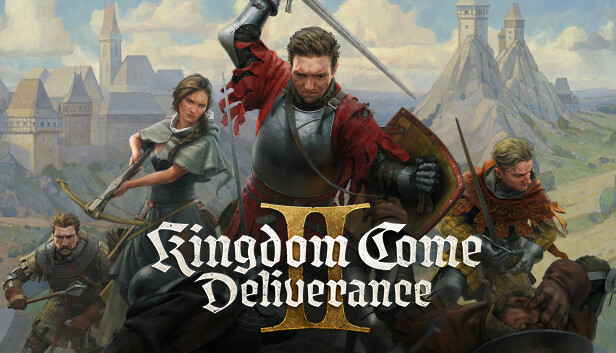
Strictly speaking, Kingdom Come: Deliverance 2 is not fantasy at all, but a highly realistic medieval RPG, so its inclusion on this kind of list is debatable by default. Still, if what you want is the most convincing sense of lived-in medieval life, social order, and historical atmosphere, it has almost no competition. Melee combat with cold weapons is built around tempo and reading attacks; quest progression emphasizes status, speech, and preparation; and the open world is not just a checklist of markers, but a place that lets you inhabit a person in a turbulent age. It ranks lower because it lacks co-op and leans realist rather than fantastical, but on immersion and role-playing depth alone, it is still worth recommending.
4. Dragon's Dogma: Dark Arisen #
 GOG¥542-84%Steam ¥542Ver preço →
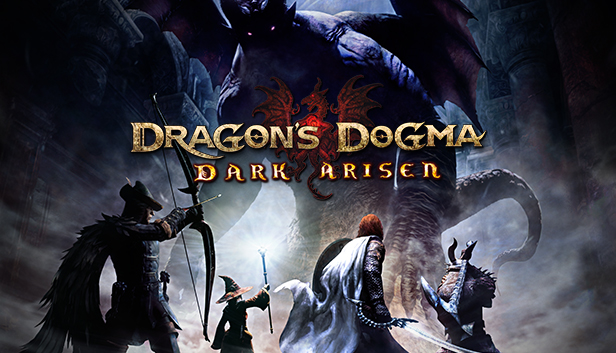
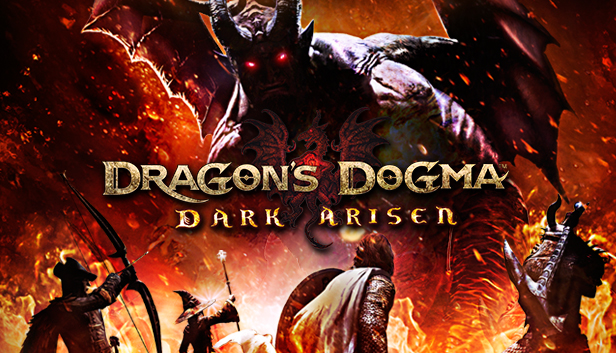
Strictly speaking, Dragon’s Dogma: Dark Arisen is not true multiplayer. But if what matters to you is the feeling of adventuring as a party in a medieval fantasy world, it still holds a unique place. The Pawn companion system creates a stable gameplay loop through class synergy, aggro distribution, and knowledge sharing. Its combat—climbing giant monsters, breaking parts, and targeting weaknesses—still feels demanding today. Bitterblack Isle then ties high-pressure exploration, resource management, and build growth tightly together, giving the game both strong longevity and a clear identity.
5. Remnant 2 #
 Eneba¥700Steam ¥700Ver preço →
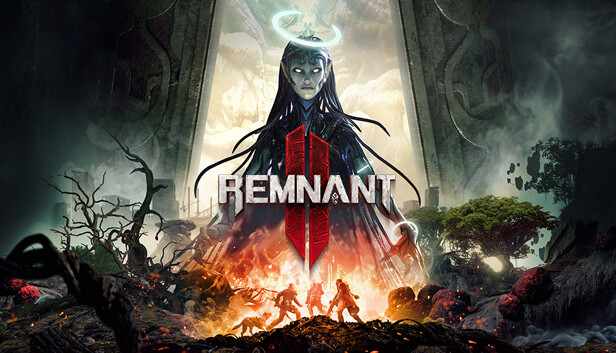
Remnant 2 is not the purest take on medieval fantasy, but it folds melee weapons, class builds, and dark otherworldly spaces into a gun-driven soulslike structure with a very distinct identity. Its co-op value comes from the fact that players are not just tagging along through the campaign. Class skills, revive timing, aggro sharing, and puzzle-solving all create meaningful division of labor. Randomized maps and hidden routes add replay value, while bosses usually bring real mechanical pressure. It is a strong fit for groups that want a demanding progression experience without settling for a standard loot grind.
6. Remnant: From the Ashes #
 Eneba¥608Steam ¥608Ver preço →
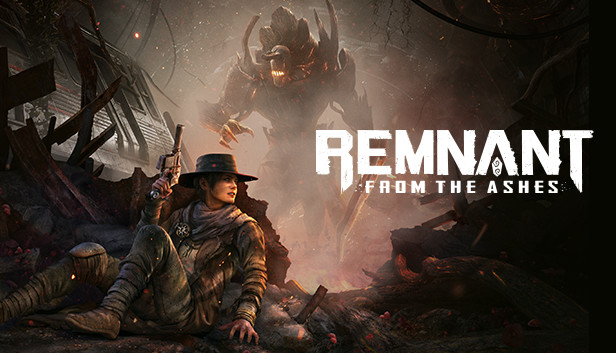
This is not pure melee fantasy either. Remnant: From the Ashes twists post-apocalyptic wasteland, extradimensional monsters, and ancient ruins into a harsh strain of dark fantasy. Where it really stands out is co-op pacing: clearing areas, hunting elites, learning boss patterns, and splitting responsibilities all flow naturally together. Its mix of gunplay and soulslike dodging feels cleaner than in most comparable games. With levels and drops partially reshuffled through randomization, repetition stays under control, and repeated progression with friends still feels fresh.
7. The Elder Scrolls® Online #
 Kinguin¥311-91%Steam ¥311Ver preço →
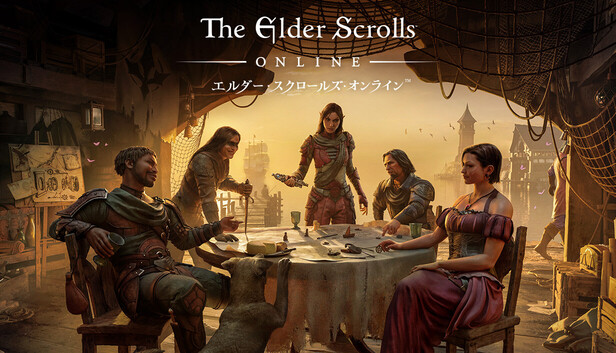
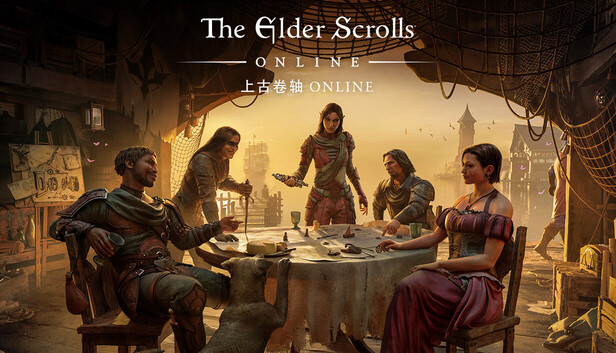
If you want a medieval fantasy co-op world you can live in for the long haul, The Elder Scrolls® Online still carries real weight. Its strength is not one-off dungeon thrills, but turning Tamriel into a shared world built for sustained play. Main story, regional questlines, world events, dungeons, and trials all interlock. The combat feel is not the hardest-hitting in the genre, but class builds, gear sets, and multiplayer role division have enough depth to stay engaging over time. It is especially well suited to a regular group that wants to grow gradually while roaming a world packed with Elder Scrolls flavor.
8. DRAGON QUEST BUILDERS 2: Malhalla and the Empty Isle #
 GreenManGaming¥3,190-50%Steam ¥3,190Ver preço →
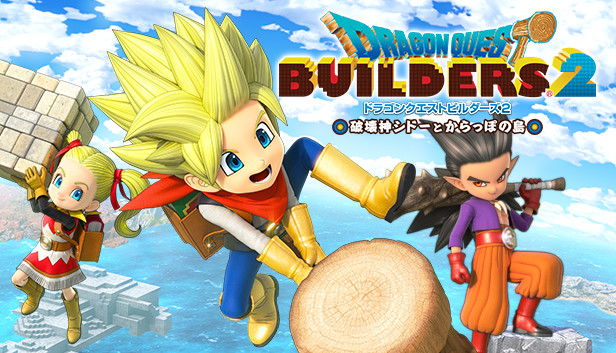
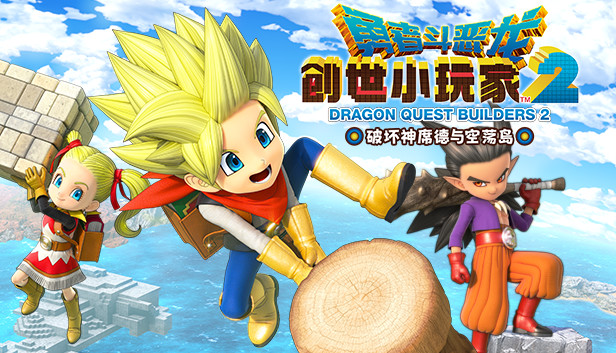
If you are looking for a co-op game with a genuinely medieval fantasy tone, Dragon Quest Builders 2 is easy to underestimate. It is not built around standard loot farming or stage clearing. Instead, it combines gathering, building, farming, defense, and light combat into an easy, satisfying loop. Multiplayer has clear practical value too: dividing work to build towns, reshape terrain, and lay out production lines amplifies the creative appeal far beyond solo play. Its strength is not hardcore challenge, but how addictive it makes the process of watching a kingdom grow from nothing.
9. Rabbit and Steel #
 Kinguin¥544-79%Steam ¥544Ver preço →
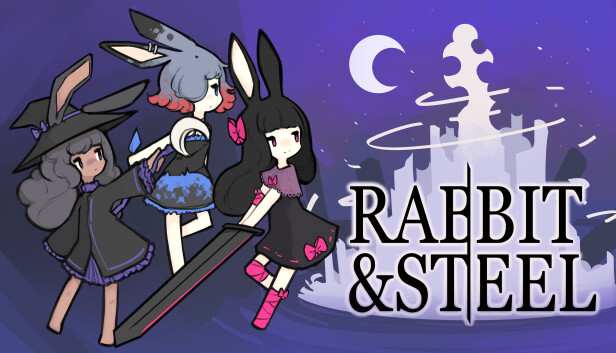
What makes Rabbit and Steel impressive is how it compresses MMO raid fundamentals—class roles, reading telegraphs, positioning, and team coordination—into a fast-paced roguelike run. Its medieval fantasy shell, with anthropomorphic rabbits, is not gritty realism, but the sword-and-magic flavor, mountain strongholds, and boss-fight atmosphere all land well. It works best with a regular group: tank, healer, and damage roles each matter, mistakes are clearly punished, and clearing a run feels more earned than in most casual co-op mob-cutting games.
10. Grounded #
 GAMIVO¥3,213Steam ¥3,213Ver preço →
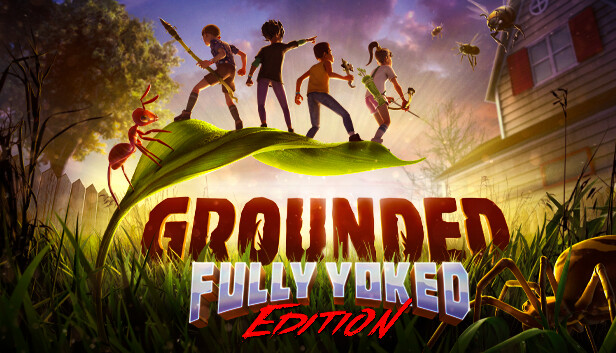
Strictly speaking, Grounded is not medieval fantasy. But if you care most about the chemistry of group adventure, it remains a very strong contender. Its miniature backyard setting ties gathering, building, exploration, and survival pressure into a tightly connected loop. One player lures a ladybug, another hauls materials, another stays on defense repairing walls—division of labor emerges naturally. The game wins by making co-op feel concrete and growth feel readable, from early survival struggles to mid- and late-game base management, and it is very good at making a group stay up later than planned.
11. Grounded 2 #
 Microsoft Store¥3,990Steam ¥3,990Ver preço →
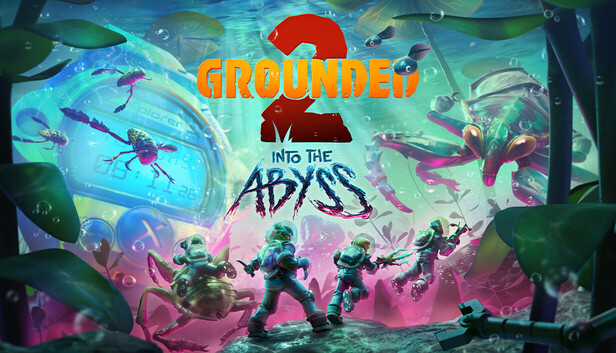
Strictly speaking, Grounded 2 is not traditional medieval fantasy either. What it does is swap the vibe of a tavern party heading out to hunt monsters for a survival expedition through a microscopic backyard world. Its biggest strength is still co-op role division: gathering, building, pulling enemies, controlling space, and rescuing teammates all support clear teamwork. The pressure from swarms and the way terrain can be used also have more layering than in many comparable games. Its Early Access content is still expanding, but judged purely on immediate multiplayer adventure fun and how sticky it is for friend groups, it still delivers.
12. Operation Tango #
 GamersGate¥411-75%Steam ¥411Ver preço →
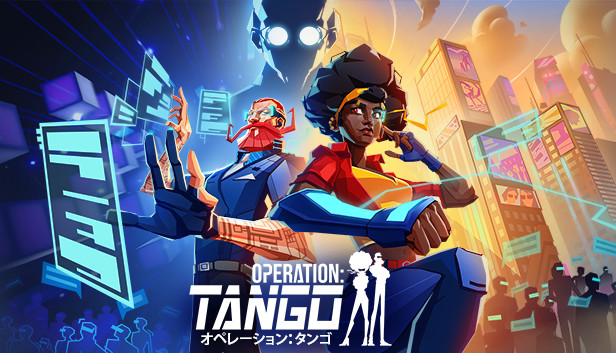
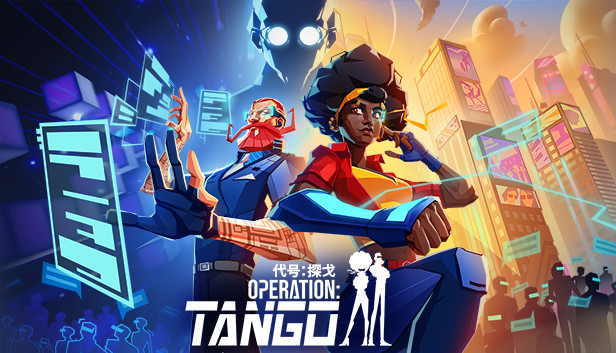
Strictly speaking, Operation: Tango does not belong to medieval fantasy at all. Its core appeal is asymmetric co-op in a near-future spy setting: one player infiltrates on site, the other hacks systems remotely, and information only becomes useful when spoken aloud and completed through communication. Its level design leans heavily on the friction of imperfect communication, which gives both the puzzle pressure and the resulting chaos a lot of punch. The two-player partnership feels more essential here than in many multiplayer games. But on a list tilted toward fantasy, it is more of a wild-card pick powered by unusually strong mechanics.





Comentários 0
Queremos saber sua opinião
Participe da discussão e compartilhe sua opinião sobre este jogo.
Ainda não há comentários. Seja o primeiro.