




















Opening
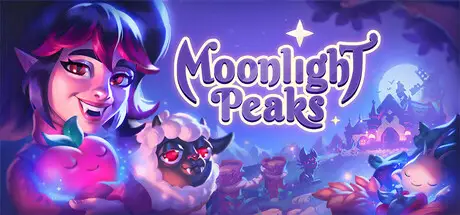
Moonlight Peaks is a cozy supernatural farming sim about being a vampire in a magical town, and what it nails is turning the whole farm-life routine into a nighttime game of pressure, mood, and weird little choices — so yeah, if you’re burned out on normal sunny Stardew-style farming, this one’s worth a look.
The big hook isn’t just “what if farming, but spooky.” It actually commits. Dawn matters. When the sun comes up, you’re done — bat form, back to the coffin. Crops care about moon phases. You’re not just watering turnips with a Halloween filter slapped over the top. The theme runs through the clock, the crops, the magic, the relationships, the whole thing.
And that’s where Moonlight Peaks gets interesting. You’ve got Stamina and Mana fighting for attention, so one more planted field might mean one less spell practiced. Potions aren’t side fluff either — they feed into story progress, gifting, unlocks, and keeping your magic going. That gives the routine a sharper edge than I expected. Just don’t come in expecting instant fireworks: the opening is slow, resources are tight, and a lot of the good stuff stays locked for the first few hours. Steam’s sitting at 87% from 398 reviews, while OpenCritic has it at 75.5 with a 55.6% recommendation rate across 18 reviews, and honestly, that split makes sense. This is charming, focused, and very easy to settle into — but only if you’re okay with a game that makes you live by the moon before it starts handing out the fun stuff.
Story | 8.0/10
劇情: 8/10The best hook here is simple: Dracula’s kid just wants a normal life

The story setup in Moonlight Peaks works because it’s not trying to be some giant chosen-one epic. You’re the son or daughter of Dracula, you’ve got this massive vampire-family shadow hanging over you, and your big act of rebellion is… moving to a magical little town and trying to live like a regular person. Honestly, that’s a good pitch. It gives the whole game a clean emotional spine: you’re not saving the universe, you’re proving you can build a life that isn’t defined by your last name.
And that matters because the farming loop actually backs it up. This isn’t just “Stardew Valley, but spooky” slapped on top. The whole routine is nocturnal. When dawn hits, you’re forced into bat form and sent back to your coffin. Crops grow around moon phases. Your day is literally somebody else’s night. So the story of being an outsider isn’t just in dialogue boxes. It’s in the schedule. It’s in the pressure of every night. It’s in the way the town feels normal to everyone else, while you’re still figuring out what “normal” even means for a vampire trying not to be Dracula 2.0.
That’s where I think the writing earns its 8 out of 10 for me. It has a clear center. Stardew Valley is built around a community healing itself, one villager and one bundle at a time. Moonlight Peaks is more personal. The town matters, sure, but the main pull is this vampire kid growing up, pushing back against a famous family legacy, and learning how to belong somewhere without pretending to be human. That’s a stronger story hook than I expected from a cozy farming sim with werewolves and mermaids hanging around.
Seven supernatural families give the town its warmth, not just its monster gimmick

The side stories are where Moonlight Peaks gets a lot of its charm. The town is built around seven supernatural families, and the important part is that they’re not just costume changes for normal villagers. They’ve got schedules, preferences, and their own character arcs, and critics have been pretty consistent about calling out the writing here as one of the game’s better pieces. That tracks. The spooky shell gets your attention, but the actual tone is much warmer than the screenshots might make you think.
You’re dealing with werewolves, witches, mermaids, and the rest of this supernatural social web, but the game doesn’t treat them like joke NPCs. The better stories are about family expectations, old habits, weird traditions, crushes, grudges, and people trying to make peace with what they are. That’s exactly the kind of thing this genre needs. If you’re going to ask me to give gifts, memorize routines, and show up at the right time with the right item, then yeah, I need these people to be more than walking quest boards.
The romance angle also fits the theme without making a big fuss about it. You’re not boxed in by bloodline or creature type. If you want to romance across the town’s supernatural groups, the game lets that be part of your life there. And the rewards aren’t just hearts filling up for the sake of it. Following different families opens up different bits of story and different blueprints, so the social side feeds back into progression. It’s not a huge branching narrative where every choice changes the ending, and if you’re looking for that, you’ll probably be disappointed. But as a cozy sim structure, it works: who you spend time with shapes what you learn, what you unlock, and how connected the town starts to feel.
The slow opening is the story’s biggest risk, and yeah, it’s going to lose some people

Here’s the catch: Moonlight Peaks takes its time. Maybe too much time. The first few hours hold back a lot. Spells are locked. Areas are locked. Potions are locked. Your economy is tight. Your Stamina and Mana caps are stingy. And because the game is built around that nighttime schedule, every early night can feel like you’re being told “no” before you’ve even had a chance to get comfortable.
Now, I get what it’s doing. The story wants you to feel like a sheltered vampire heir stepping into independence without having all the tools yet. You’re not supposed to arrive fully formed. You’re supposed to earn your place in Moonlight Peaks, learn spellcasting, learn potion-making, figure out the families, and slowly build a life that feels like yours. On paper, that’s smart. It makes the narrative and the systems line up. The problem is, in practice, slow-burn storytelling in a farming sim can feel like the game is just hiding the fun stuff behind a locked door.
This is where player taste is going to decide everything. If you’re tired of instant-reward games and you like a cozy sim that makes you settle in, the pacing might work for you. If you need quick upgrades, big mechanical depth right away, or constant feedback every five minutes, the opening is rough. OpenCritic has it at 75.5 with a 55.6% recommendation rate across 18 reviews, which sounds about right to me: a lot of people respect what it’s doing, but not everyone is going to vibe with the tempo.
And compared to Stardew Valley, that difference is important. Stardew gets you into a clean rhythm fast: farm, meet people, fish, mine, sleep, repeat. Moonlight Peaks adds more narrative identity to that rhythm, but it also makes you wait longer before the full shape appears. For story, I like the ambition. I like that the vampire theme isn’t just paint. But the early game absolutely asks for patience, and not every cozy farming fan is going to have it.
Audio | 6.0/10
音效: 6/10The soundtrack gets the vampire bedtime mood right, but it doesn’t have that one tune you’ll hum later

The music in Moonlight Peaks does its job. Let’s be fair about that. This is a game about living your cozy little vampire life after dark, farming under moonlight, brewing potions, and trying not to get caught by sunrise. So the soundtrack leans into that soft, spooky, slightly storybook-night feeling. It’s gentle. It’s purple. It’s got that “blanket over your shoulders at 1 a.m.” energy.
And that matters, because the whole game is built around flipping the usual farming sim schedule. You’re not waking up with the birds and watering parsnips in the sun. You’re working at night, watching the clock, knowing dawn sends you into bat form and back to your coffin. Crops even grow around moon phases. So yeah, the music has to sell the night, and most of the time, it does. The digital deluxe edition including the OST also tells you the publisher knows the soundtrack is part of the package, not just background wallpaper.
But here’s the catch: it’s atmosphere-first, memory-second. Compared to Stardew Valley, and especially ConcernedApe’s instantly recognizable seasonal tracks, Moonlight Peaks doesn’t really have that one breakout theme. You know, the track you hear once and suddenly you’re emotionally attached to a turnip field. Moonlight Peaks is good at mood. It’s less good at leaving a melody stuck in your skull. For me, that keeps the audio from being a highlight. It supports the fantasy. It doesn’t steal the show.
No big voice acting push, and honestly, that fits the kind of game this is

If you’re coming in expecting a heavily voiced RPG-style cast, this isn’t that. Moonlight Peaks is mostly text-driven, which is pretty normal for a warm, cozy management sim like this. You’re reading conversations, getting to know the werewolves, witches, mermaids, and the game’s seven supernatural families through writing rather than big dramatic performances.
And honestly, I’m fine with that. The writing has been one of the things critics have actually pointed to as a strength, and that tracks with the OpenCritic picture too: 75.5 from Top Critics, 55.6% recommended, across 18 reviews, landing in the Strong tier. That doesn’t mean every line is gold, but it does mean the game’s charm is coming more from its characters and tone than from flashy production. The spooky shell wraps around a pretty warm little social sim.
Would full voice acting make it better? Maybe, but only if it was really strong. Bad cozy-game voice acting can be way worse than none at all. Here, the lack of constant voices keeps things light and readable. It also works better for handheld play, especially since the Switch 2 version is sitting around 80 to 81 on Metacritic and seems like the natural “play in bed, one more night” version. So no, the voice work isn’t a selling point. But it also isn’t a problem. It’s just not where the budget, or the personality, is concentrated.
Night wind, bugs, and bubbling cauldrons do more work than the basic sound effects

The best sound design in Moonlight Peaks is the quiet stuff. The night wind. The insects. The little bubbling cauldron sounds while you’re messing with potions. Those details help the town feel calm, but not totally safe. Not horror-game scary. More like, “this place is cute, but something with fangs definitely lives next door.”
That’s important because potion-brewing and spellcasting are the game’s second big pillar after farming. You’re not just planting and gifting your way through the usual loop. You’re managing Stamina and Mana, deciding whether to spend the night planting more crops or practicing more magic. There are four cauldron tiers, from Iron to Moonstone, and potions tie into story progress, unlocks, gifting, and keeping your Mana going. So the little magical sound cues matter. They help make the witchy routine feel tactile.
But I’m not going to oversell it. The sound effects are competent. That’s the word. Competent. Across reviews, audio is not the thing people are pulling out and praising. Nobody’s really saying, “you have to hear this game.” And after longer sessions, the dark purple spring and summer nights can start to feel a bit samey, visually and sonically. The audio doesn’t do enough to fight that repetition.
So for this part of Moonlight Peaks, I’m at a 6 out of 10. It understands the assignment. It builds the nocturnal vibe. It gives the vampire farming gimmick some texture. But next to the best cozy sims, especially Stardew Valley, it doesn’t have the musical identity or sound design sparkle to become one of the reasons you recommend the game.
Visuals | 7.5/10
畫面: 7.5/10The whole game looks like Halloween got cozy, not scary

Visually, Moonlight Peaks makes one really smart call: it doesn’t try to out-Stardew Stardew Valley. It goes the other way. Stardew is that bright, readable, 2D pixel-art comfort blanket. Moonlight Peaks is a 3D gothic storybook farm sim where everything feels dipped in purple moonlight and little Halloween-shop charm. And honestly, that’s the right move. If you’re burned out on sunny fields and cheerful little cottages, this immediately feels like a new flavor.
What I like most is that the art direction actually matches the premise. You’re not just a farmer with vampire wallpaper slapped on top. The characters, the buildings, the UI, the manor customization, the whole town — it all sits in the same spooky-cute lane. Werewolves, witches, mermaids, gothic homes, magical crops, potion stuff, moon-phase farming — visually, it all speaks the same language. That matters. A lot of farm sims feel like they bought their assets from three different yard sales. This one feels much more put together.
And the manor customization is a big part of why the look works. You can mess with the place from furniture to the outside of the building, so the gothic fantasy isn’t just background decoration. You get to express yourself through it. That’s important in a life sim. If I’m spending hours slowly building a routine, gifting people, farming at night, brewing potions, and crawling back to my coffin at dawn, I want my home to feel like mine. Moonlight Peaks understands that. But here’s the catch: the night-time look is also the thing that wears on you. The purple-heavy darkness is cool at first. It sells the vampire life. It gives the game its identity. But over longer sessions, especially across spring and summer, it can start to feel samey. There’s a point where the mood stops feeling atmospheric and starts feeling like the brightness slider lost a fight. I don’t think it ruins the game, but it does hold the graphics back from being great. Stylish? Yes. Varied enough? Not always.
The UI is part of the costume, and that’s better than a clean-but-boring menu

The UI deserves credit because it doesn’t feel like a generic farming HUD wearing a plastic vampire cape. It fits. The menus, the icons, the general presentation all stick to that gothic picturebook tone, and that makes the game feel more complete. This is the kind of thing you don’t notice when it’s done well, but you absolutely notice when it’s wrong. Moonlight Peaks avoids that mismatch.
That matters even more because this game has more going on than just plant, water, sleep, repeat. You’ve got stamina and mana to think about. You’ve got spellcasting. You’ve got potion-making. You’ve got four cauldron tiers, from Iron to Moonstone, and potions aren’t just side clutter — they feed into story progress, unlocks, gifting, and mana upkeep. So the interface has to make that supernatural life-sim stuff feel approachable, not like a spreadsheet in a haunted font.
Now, to be clear, this isn’t some ultra-slick tech showcase. If you’re looking for the “look at the reflections” game, this is not that segment. The graphics are carried by art direction, consistency, and theme, not by flexing ray tracing, DLSS, or some giant engine feature list. And I’m fine with that. Not every game needs to be a GPU commercial. But it does mean the visuals live and die by mood, readability, and variety — and that’s where the dark palette becomes a double-edged sword.
The best thing I can say about the presentation is that it supports the design. The game’s whole twist is farming at night: daylight hits, you turn into a bat, and you’re forced back to your coffin. Crops grow by moon phases. The world is built around that nocturnal routine. The visuals don’t fight that idea. They reinforce it. That’s why the game lands better than it would if it were just a normal farm sim with fangs.
Switch 2 is the comfy version; base Switch is where I’d be careful

Platform-wise, the version story is pretty simple: Switch 2 seems like the sweet spot if you want this as a slow, handheld, bedtime game. That build is sitting around 80 to 81 on Metacritic and, more importantly for this kind of game, it runs smoothly. For a farm sim, smoothness matters more than people admit. You’re doing tiny repeated actions all the time — moving, planting, harvesting, checking menus, decorating, walking through town. If that stuff stutters, the cozy spell breaks fast.
PC and Steam Deck are also in good shape from what’s out there, and that makes sense for how Moonlight Peaks wants to be played. This isn’t a twitchy action game. It’s a settle-in game. The pacing is slow, the early economy is tight, and the first few hours hold back spells, areas, and potions. So the ideal version is the one that lets you chip away at it comfortably without the machine getting in the way.
The base Switch, though, is the one I’d be more cautious with. The facts around the game point to Switch 2 as the stronger Nintendo option, while the original Switch is weaker. And for a game that already leans dark visually, any extra softness, roughness, or sluggishness is going to stand out more. When your whole screen is purple night tones and cozy gothic detail, you really don’t want the hardware making it feel muddier.
So for graphics, I’m landing at a 7.5 out of 10. Moonlight Peaks has a clear look, and I respect that. It commits. It’s spooky, warm, cute, and consistent in a way a lot of farming sims aren’t. The gothic manor customization gives the player a real visual outlet, and the UI actually belongs in the same world as the characters and buildings. But the dark palette gets repetitive, and technically, this isn’t the kind of game that’s going to wow you on raw visual power. It wins on taste, not muscle.
Combat | 9.0/10
玩法: 9/10Dawn Is the Boss Fight Here, and I Mean That in the Best Way
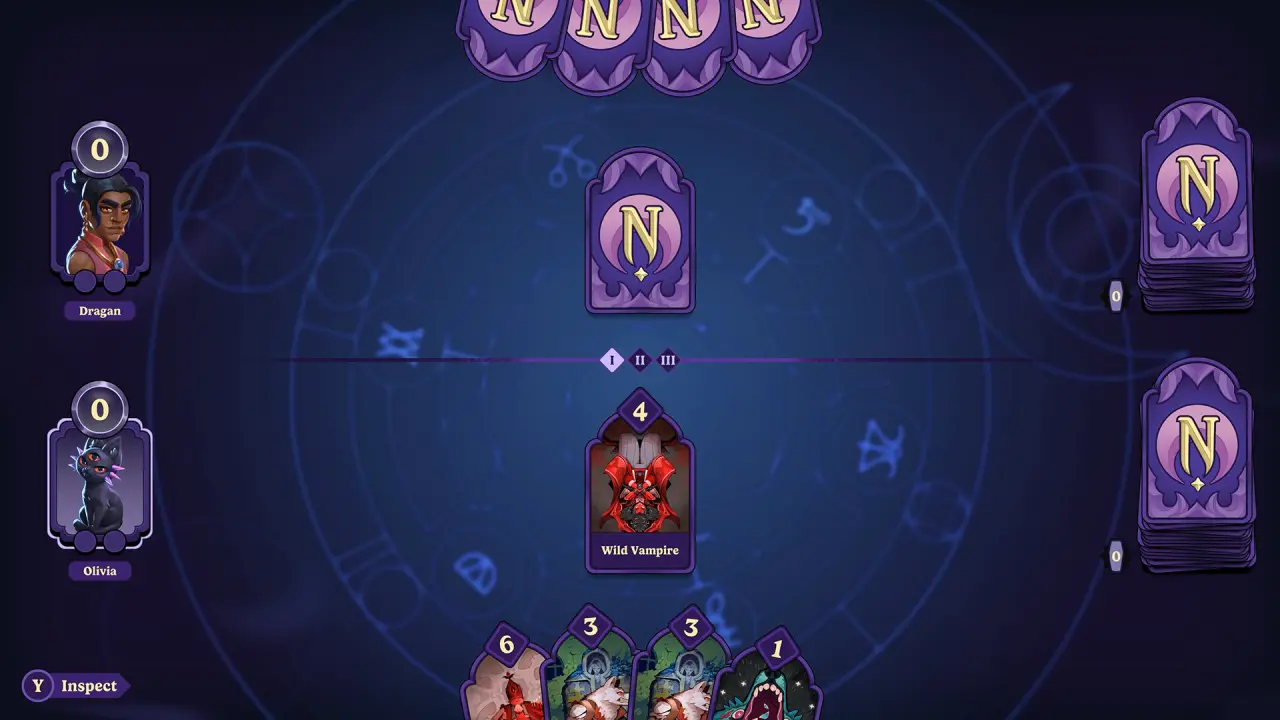
The smartest thing Moonlight Peaks does is simple: it takes the cozy farming routine and flips the clock. You’re not waking up with the sun, watering turnips, and jogging into town before lunch. You’re a vampire. Your day starts at night, and when dawn hits, that’s it. You turn into a bat and get dragged back to your coffin. No “one more errand.” No “I’ll just squeeze in the mine real quick.” The morning shuts you down.
And that changes the whole feel of play. In Stardew Valley, the day timer is pressure, sure, but it still feels like a warm little routine. Here, the timer has teeth. Every night becomes a bet. Do you spend it planting? Do you go gather ingredients? Do you talk to the werewolves, witches, and mermaids? Do you push exploration and risk wasting the last chunk of the night? That forced return to the coffin makes the schedule feel properly vampiric, not just cosmetically spooky.
The moon phase crop system is the other big win. Crops don’t just grow because the calendar says so. Their speed and quality are tied to the moon’s phases, which makes the fantasy theme actually matter mechanically. That’s the difference between “farm game with vampire wallpaper” and “farm game that remembers you’re a creature of the night.” Moonlight Peaks keeps finding little ways to make the premise touch the systems.
And yeah, the transformations help too. Bat, cat, and mermaid forms aren’t just cute flavor. They open up exploration in ways that match the world’s supernatural logic. It gives the map a nice layer of “I can’t do that yet, but I know what kind of weird creature nonsense will probably get me there later.” That’s exactly the kind of progression hook this genre needs.
Stamina and Mana Make Every Night Feel a Little Too Short
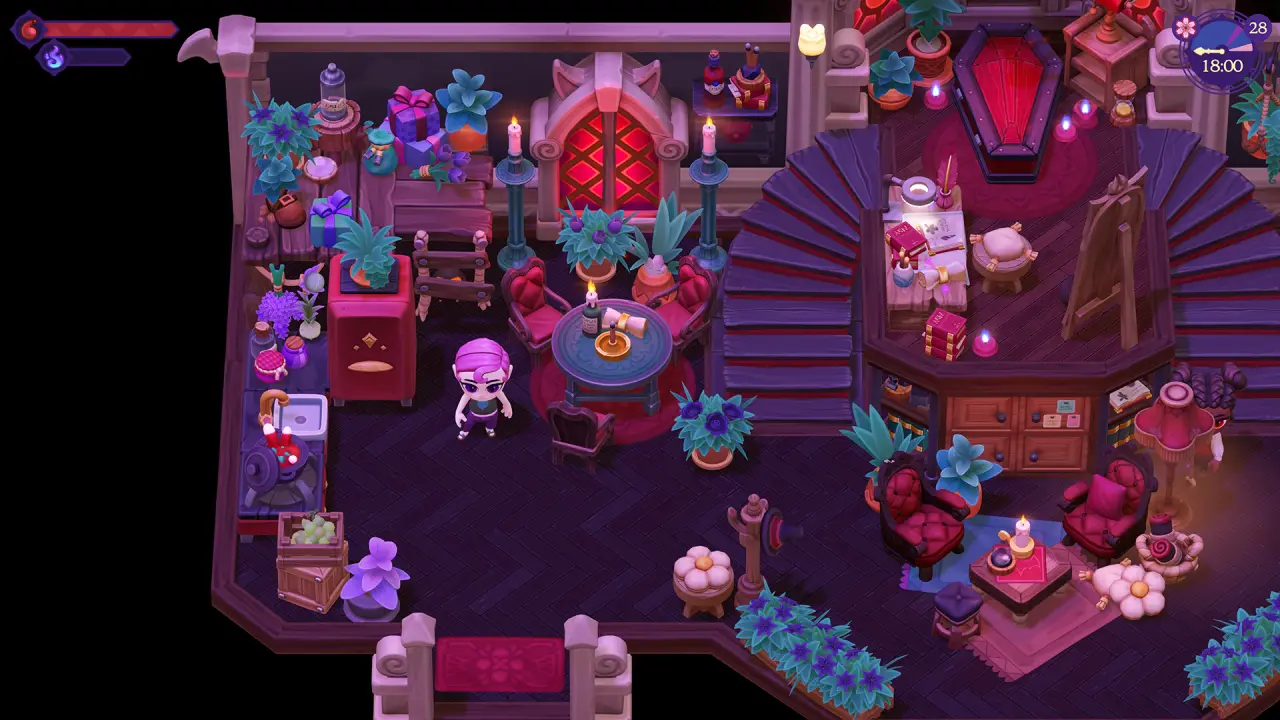
Here’s where Moonlight Peaks gets mean, but in a way I mostly respect: it splits your energy into Stamina and Mana. Farming leans on Stamina. Spellcasting leans on Mana. So instead of one simple bar telling you when to go home, you’ve got two separate limits constantly arguing with each other.
That sounds small on paper, but it matters a lot in play. In Stardew Valley, especially early on, you’re mostly asking, “How much energy do I have left?” Here, you’re asking, “Do I spend tonight expanding the farm, or do I practice magic and push my unlocks?” Planting more crops feels productive. Casting spells feels exciting. You can’t do everything. And because the dawn timer is already breathing down your neck, those two bars turn each night into a little resource puzzle.
The catch is, the early game is stingy. Very stingy. The caps on Stamina and Mana feel tight at the start, and the economy doesn’t exactly shower you with options either. For the first few hours, Moonlight Peaks can feel like it’s holding the fun behind glass. Spells are locked. Areas are locked. Potions are locked. You can see the bigger game forming, but you’re not allowed to fully play with it yet.
That’s going to bounce some people off. If you need quick rewards and constant upgrades, this opening is probably going to test your patience. But if you’re okay with a slow burn, the friction does pay off. I like that the game makes magic feel like a real commitment instead of just another tool on the hotbar. I just wish it loosened the leash a little sooner.
Potions Are the Second Farm, Not a Side Activity
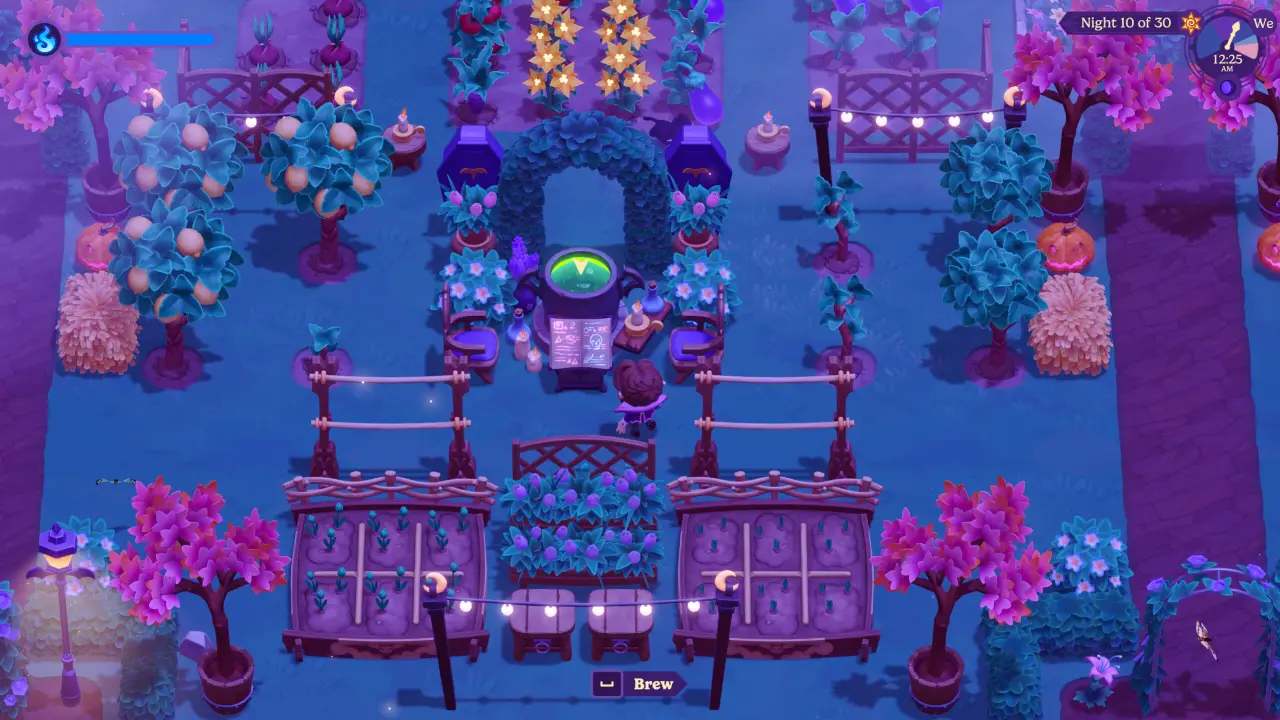
The potion system is where Moonlight Peaks starts to separate itself from the usual plant-mine-gift loop. You’re not just growing crops to sell them, or hoarding flowers because somebody in town likes them. You’re feeding a whole magical production chain. Herbs, crops, and monster drops all roll into potion-brewing, and the game builds that out through four cauldron tiers, from Iron all the way up to Moonstone.
That gives the farm a better sense of purpose. You’re not only asking, “What makes the most money?” You’re asking, “What do I need for this potion? What unlock depends on it? Who can I gift this to? How does this help my Mana situation?” Potions plug into the main story, unlocks, gifting, and upkeep, so brewing feels like a real pillar of the game instead of a decorative crafting bench you forget about after hour two.
Spellcasting sits right beside it. Again, this is where that Mana bar matters. Magic isn’t free, and it shouldn’t be. When a game gives you spells but makes them cost basically nothing, they become chores with sparkles. Moonlight Peaks avoids that. You have to budget for magic, and that makes casting feel more deliberate.
Still, I wouldn’t call the whole gameplay loop wildly new. Peel away the vampire shell, and yes, you’re still farming, mining, gifting, gathering, unlocking, and repeating. That’s the genre. Some critics clearly felt that underneath the gothic charm, it doesn’t escape its ancestors enough, and one review landed at a 7. I get that criticism. If you’re tired of the entire cozy sim structure, Moonlight Peaks doesn’t magically reinvent it.
But for me, the theme integration carries it. The spooky rules aren’t just painted on. They steer the clock, the crops, the crafting, the exploration, and your nightly priorities. That’s why the gameplay lands so well.
Stardew Is Still the Comfort King, but Moonlight Peaks Has Sharper Teeth
Let’s be honest: every cozy farm sim gets compared to Stardew Valley because Stardew is still the comfort-zone benchmark. It nailed the sunny routine. Wake up, water crops, hit the mines, talk to villagers, pass out because you got greedy. It’s clean. It works. It’s why the genre exploded.
Moonlight Peaks doesn’t beat Stardew by doing the same thing louder. It finds a different angle. The night-only structure gives it a stronger identity moment to moment. The forced coffin return at dawn changes how you plan. The moon phase crops make the calendar feel supernatural. The Stamina-plus-Mana setup creates an extra layer of choice. And the whole town — werewolves, witches, mermaids, seven supernatural families getting singled out by critics for their writing — gives the social side a fresh flavor without turning cold or edgy.
That warmth matters. This isn’t a grim vampire survival game. It’s still cozy. It still wants you to befriend people, romance them, decorate your life, and slowly settle into town. The OpenCritic average sits at 75.5 with a 55.6% recommendation rate across 18 reviews, in the Strong tier, and the Steam user side is sitting at 87% Very Positive from 398 reviews. That tracks with how I feel: not flawless, not for everyone, but clearly connecting with the people who want this exact blend.
The weak spots are real. The early hours drag. The resource limits can feel harsh. The purple nighttime look, especially across spring and summer, can get visually samey during long sessions. And the audio does the job, but it’s not the thing you’ll rave about afterward.
Even with that, for gameplay, I’m at a 9 out of 10. Not because it has the deepest systems in the genre. It doesn’t. I’m there because Moonlight Peaks takes one strong idea — farming after dark as a vampire — and actually follows through on it. If you’re burned out on regular cozy farms and want the same comfort with a weirder pulse, this one gets its hooks in.
Content | 7.5/10
內容: 7.5/10The first few hours are stingy, but the game does open up once the coffin lid comes off
Here’s the thing with Moonlight Peaks: if you bounce off slow openings, this one is absolutely going to test you. The pitch sounds instant, right? Vampire farmer, magical town, moon-phase crops, spells, potions, werewolves, witches, mermaids. You hear that and you think, “Cool, let me go nuts.” But early on, the game keeps a lot of the good stuff behind locks. Spells, areas, potion options, the broader shape of the main story — it all rolls out gradually, and those first few hours can feel tighter than they probably need to.
The resource pressure is the big reason. You’re not just watching one stamina bar like in Stardew Valley. You’re juggling Stamina and Mana, and early caps are pretty stingy. So one night might be: do I plant more, or do I practice magic? Do I push for materials, or do I save enough Mana for the stuff the game is nudging me toward? That choice is interesting, but it’s also friction. And if you’re the kind of player who wants fast upgrades, constant rewards, and big “number go up” dopamine every five minutes, Moonlight Peaks is not in a hurry to serve you.
But once the main story starts opening up, the amount of game here is real. This isn’t a tiny aesthetic gimmick stretched over a weekend. You’ve got enough mainline and progression content to carry you for dozens of hours, and the 59 achievements give completionists a pretty clear checklist to chew through. The better version of Moonlight Peaks is the one after the slow squeeze, when spellcasting, potion-brewing, relationships, farming, and exploration are all moving at the same time. That’s when the vampire theme stops being just a cool skin and starts feeling like the actual engine of the game.
And I do like how committed it is to that engine. Dawn isn’t just a clock reset. Daylight forces you back into bat form and back to your coffin. Crops aren’t just “spooky corn” with a purple filter; they grow around moon phases. That stuff matters, because it changes the rhythm. Stardew Valley is the comfort-food king of daytime farming, and it’s been sitting there for nine years with a massive community behind it. Moonlight Peaks can’t out-history Stardew. But it does have a cleaner, sharper hook: farming after dark, with the whole game built around that one idea.
There’s plenty to do, but the town could use more bite between the big systems
My bigger complaint isn’t that Moonlight Peaks lacks content. It’s that some of the optional, day-to-day life around that content feels thinner than the premise deserves. The writing for the seven supernatural families has been one of the things critics keep pointing to, and I get why. The town has charm. The spooky wrapping is cute without being fake-edgy, and the romance angle fits the fantasy setup. Werewolves, witches, mermaids — that’s a good cast direction for a cozy life-sim.
But outside the main story and the core routine, I wanted the everyday social layer to hit a little harder. The plant-mine-gift loop is still very familiar. You farm, you gather, you brew, you gift, you repeat. The vampire coat of paint helps a lot, and honestly, the moonlit structure helps even more. But when you peel that back, there are moments where Moonlight Peaks feels closer to genre muscle memory than a full reinvention. That’s why a 7.5 out of 10 feels right to me for this content side of the game. It’s good. It’s charming. It’s more cohesive than a lot of cozy farming games. But it doesn’t fully escape the shadow of the games it’s clearly standing next to.
The potion system does carry a decent amount of weight, though. Brewing isn’t just a cute side bench you forget about. Potions are tied into the main story, unlocks, gifting, and Mana upkeep, and the cauldron progression runs from Iron up to Moonstone. That gives the second pillar of the game some actual structure. You’re not only farming because farming games need farming. You’re farming to feed the magic loop, and that loop feeds the story back. When Moonlight Peaks is doing that, it’s at its best.
Where it drags is repetition over long sessions. The purple spring and summer nights look good at first, but they can start to blur together. The audio does its job, but it’s not the thing I’d single out as memorable. So if you’re playing in long marathon sessions, the atmosphere can flatten out. This is honestly better as a slower handheld or bedtime game, the kind you chip away at, not the kind you try to inhale in three giant sittings.
The price is fair, but the real question is whether it gets a long tail
On value, Moonlight Peaks is in a pretty reasonable spot. The base game is $34.99, and the Digital Deluxe Edition is $44.97 with the art book and soundtrack. That’s not impulse-buy cheap, but for a cozy life-sim with dozens of hours, 59 achievements, and the amount of system interlock it’s going for, I don’t think the price is out of line. If you’re already sold on the vibe, the Deluxe version is mainly for people who care about the extras. If you just want the game, the base version is the sensible pick.
There are also 2 DLC items in the picture, which helps the package feel less bare at launch, but I wouldn’t oversell that as some gigantic content roadmap. Right now, the meaningful value is still the base game: the nocturnal farming loop, the story progression, the romanceable supernatural town, the spell-and-potion ladder, and the achievement chase. That’s the meat. The extras are nice, but they don’t magically fix the slow opening or make the social side deeper than it is.
And this is where the Stardew Valley comparison gets a little unfair, but also unavoidable. Stardew has had nine years to grow, patch, expand, and build a ridiculous mod ecosystem. Moonlight Peaks just launched on July 7, 2026. It does not have that kind of long-tail gravity yet. So if you’re asking, “Will this become my next forever farm game?” the honest answer is: maybe, but not based on launch content alone. That depends on updates, community support, and whether the developers keep adding reasons to return after the main story and achievements are done.
Still, the launch reception tells you this isn’t some throwaway cozy clone. Steam is sitting at 87% positive from 398 reviews, with a Very Positive tag, and OpenCritic has it at 75.5 with a 55.6% recommendation rate across 18 reviews. That sounds about right. People like the idea, and the game follows through on the idea more often than not. But the caveats are real: slow start, tight early resources, familiar loop underneath, and a town that could use a bit more everyday texture. If you’re tired of standard sunny farming and you want something warmer, weirder, and more gothic, Moonlight Peaks is easy to recommend. If you need depth on the level of a nine-year farming giant with mods for everything, yeah, you may want to wait and see how this one grows.





留言 3
歡迎發表遊戲評價
歡迎參與討論,分享對這款遊戲的評價。
What I want to see is whether the dawn bat-transform and forced return to the coffin creates meaningful route planning, since tying crop growth and story spells to nighttime could make the schedule matter.
Making the whole loop nocturnal is such a smart twist, and the moon-grown crops plus coffin-at-dawn setup actually makes it feel different from the usual farm sim vibe.
I agree, the all-night setup sounds fresh; my only concern is whether the coffin reset and story spellcasting stay engaging long-term instead of feeling like a gimmick.
已顯示全部留言