
Indie RPGs tend to fail in one of two ways: the systems are interesting but unfinished, or the narrative aims high and cannot carry the full game. This ranking only looks at games that hold up over long stretches of play, with priority given to closed gameplay loops, content density, late-game support, reputation over time, and how hard each title is to replace within its niche. The order runs from strongest to weakest overall, but it is not based on scores alone. It also reflects how complete and influential each game feels in its own lane. Some earn their place through freedom, some through narrative impact, and a few through mechanical depth so absorbing that they keep players running simulations in front of the save screen.
1. Stardew Valley #
 GOG¥1,132Steam ¥1,132Ver precio →
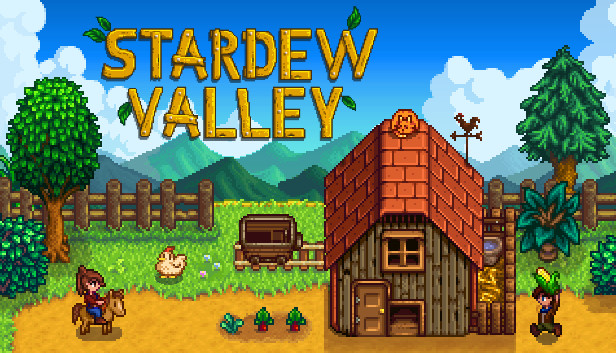
Stardew Valley stands out for the sheer density hidden beneath its relaxed surface. Farming, mining, fishing, social links, and seasonal planning all lock together. Early on, resources are tight and the pace is brisk; later, the focus shifts toward route planning and efficiency. The feedback loop stays clear the whole way through. Unlike many games in the same space that lean mostly on atmosphere, this one turns progression, collection, and small-town relationships into a genuine long-term driver. Add multiplayer and continued updates, and its replay value and stable reputation are still very hard for newer challengers to dislodge.
2. Project Zomboid #
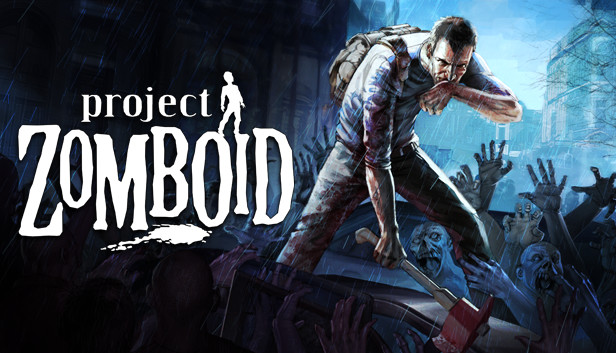
 Kinguin¥1,086-57%Steam ¥1,086Ver precio →
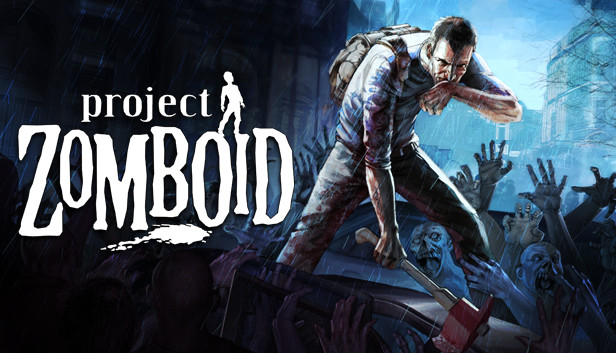
Project Zomboid excels because it makes survival a web of connected systems rather than a sequence of isolated thrills. Carry weight, injuries, noise, vision, weather, food spoilage, and power outages all chain together and force decisions. It does not offer the usual empowering RPG growth curve, and characters often die because of a single bad call. That is exactly why scavenging, fortifying, farming, car maintenance, and multiplayer role division feel so convincing. Beneath the rough exterior is an unusual level of credibility for the apocalypse setting, along with serious long-term playability.
3. OMORI #
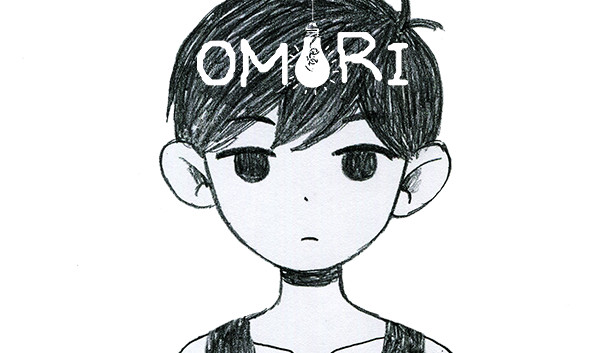
 Steam¥1,980Ver precio →
OMORI is not great because of traditional stat-building. Its strength is the way it fuses turn-based JRPG combat, dreamlike exploration, and psychological horror into one coherent whole. The opening stretch lowers your guard with bright art and slightly absurd interactions, then the back half steadily tightens the screws through emotional backlash, missing memories, and the cost of choice. The narrative control is remarkably precise. Even the emotion system in combat is not just a gimmick; it is tightly bound to character relationships and thematic expression, which makes the ending hard to shake off.
4. Darkest Dungeon #
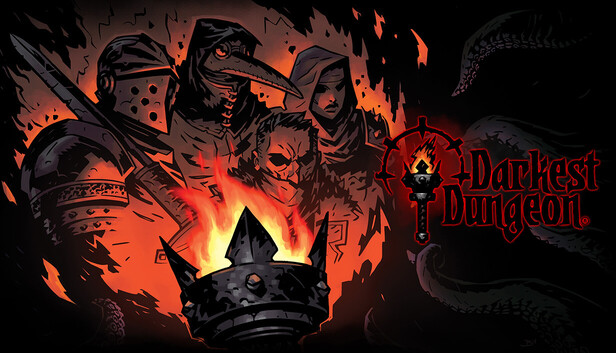 GOG¥259-86%Steam ¥259Ver precio →
What makes Darkest Dungeon® special is not just that it is hard. It turns stress into a core resource that genuinely drives decision-making. Party positioning, skill matchups, supply allocation, and retreat timing are all continuously magnified by mental collapse and negative quirks. Dungeon runs are not simply about winning or losing one mission. They are part of a broader cycle of resource management and roster rotation across the campaign. The game can be punishing, but its post-failure analysis is even more valuable. Unlike more conventional loot-grind RPGs, it builds its identity through high-pressure decision-making, party construction, and risk management.
5. Library of Ruina #
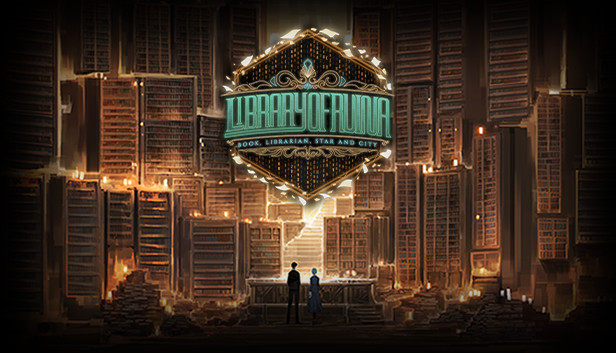 Steam¥3,090Ver precio →
Library Of Ruina earns its place by combining deckbuilding, body-part suppression, and speed-die mind games into a dense competitive combat system. You are not just stacking numbers. Every turn is about breaking down enemy options, stealing tempo, and calculating resources. The barrier to entry is real, and the early hours can feel dense enough to push some players away, but once the rules click, the ceiling on stage strategy and page combinations becomes extraordinary. More importantly, character growth, chapter progression, and worldbuilding reveals are tightly bound together. The story is not a side reward. It is core fuel for the next round of theorycrafting.
6. Wandering Sword: Legend of Wind and Cloud #
 Eneba¥1,573Steam ¥1,573Ver precio →
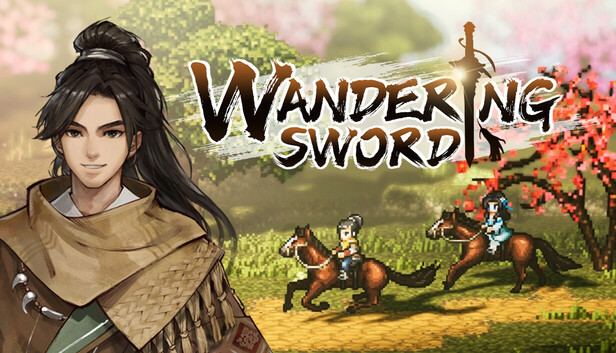
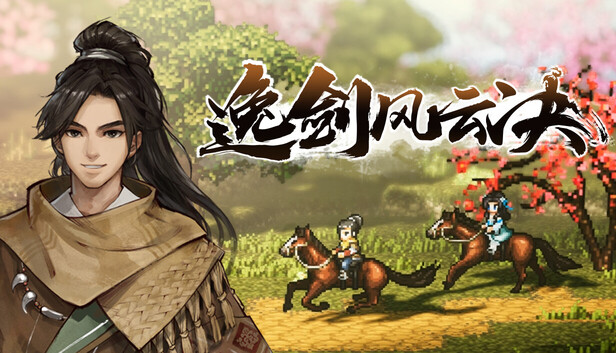
Wandering Sword succeeds by giving wuxia-style character growth real mechanical weight. Visible encounters and turn-based combat are paired with tactical positioning, while lightness skills, meridians, and weapon paths all directly affect battle rhythm instead of merely inflating numbers. Just as importantly, it captures the jianghu atmosphere well. Sects, favors, side stories, and recruitable companions connect into a believable martial world. It may not be the sharpest narrative RPG on the market, but among Chinese indie wuxia RPGs, it is one of the steadiest packages for systems, campaign flow, and immersion.
7. Divinity: Original Sin Enhanced Edition #
 Steam¥398¥3,980-90%Ver precio →
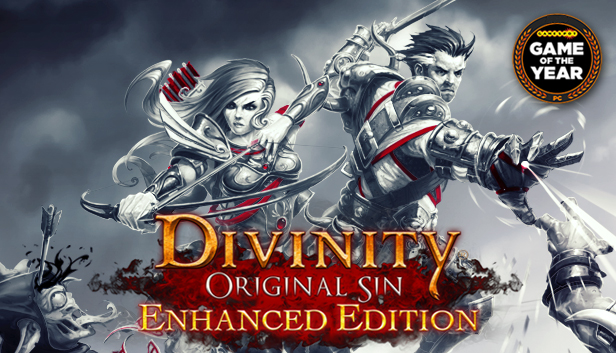
Divinity: Original Sin - Enhanced Edition shines because its rules interact rather than simply scale upward. Oil, water, electricity, fire, and terrain states all bite into each other, and many fights feel like dismantling a system that was built to be exploited. The two-protagonist party setup and class development leave plenty of room for experimentation, while the turn-based pacing stays readable. Co-op in particular amplifies the fun of tactical discussion. It may not be the most accessible CRPG, but in environmental interaction, freedom of quest solutions, and support across a full campaign, it remains a hard benchmark for the genre.
8. Drova - Forsaken Kin, the Land of Trapped Beasts #
 GOG¥2,169Steam ¥2,169Ver precio →
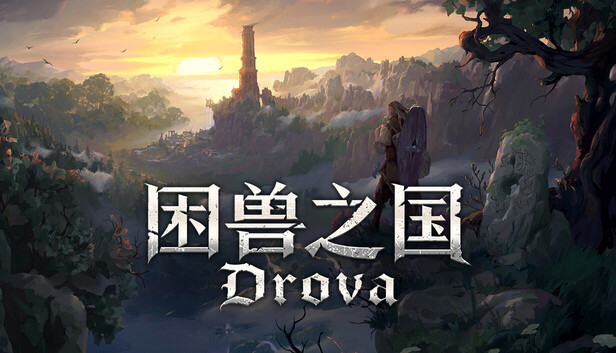
Drova - Forsaken Kin is strongest when it brings old-school top-down RPG exploration together with more modern faction choices and an open quest structure. It does not pad itself out with inflated numbers. Instead, it keeps rewarding active exploration and information judgment through a dense map, dangerous regional divisions, and high-quality side quests. Combat has real pressure, and character growth demands meaningful route choices. Most importantly, the world responds to your decisions with chain reactions, giving the game unusual immersion and strong replay value within the indie field.
9. Monster Sanctuary #
 Eneba¥360Steam ¥360Ver precio →
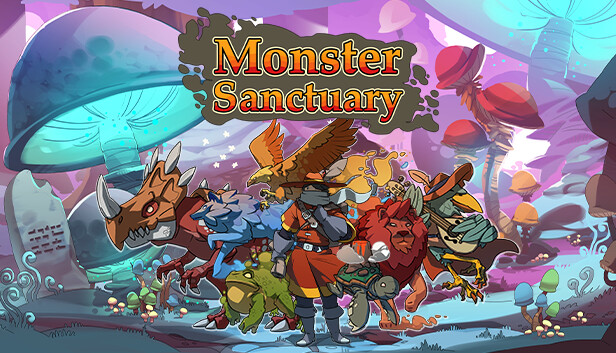
What makes Monster Sanctuary impressive is not the "Pokemon plus Metroidvania" pitch by itself. It is that the game truly binds those two ideas together. Exploration progression depends on monster abilities opening paths, while team-building directly determines your combat ceiling. Its 3v3 turn-based battles emphasize combos, synergy, and division of roles through talent trees, and the late game gives clear rewards for farming gear, tuning affixes, and switching archetypes. The map design may not be the most dazzling part, but there is almost no disconnect between progression, puzzles, traversal, and combat. It is the kind of game whose completeness becomes clearer the longer you play.
10. WitchSpring R #
 Kinguin¥1,963-68%Steam ¥1,963Ver precio →
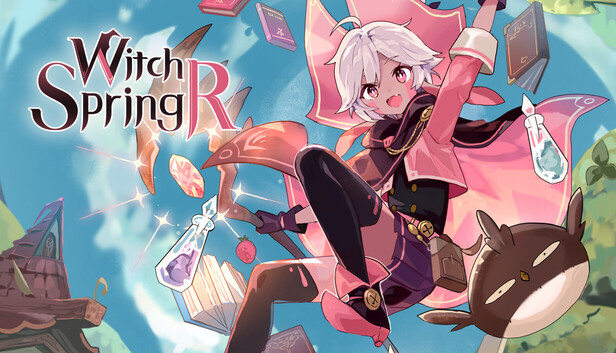
WitchSpring R is especially good at controlling pace through light progression and strong feedback. Gathering, forging, training, collecting pets, and battle advancement are all tightly linked, with dense stat growth and very little downtime through the early and middle game. It does not win through highly complex builds. Instead, it uses clear goals, reliable rewards, and a polished campaign structure to make a relatively compact RPG unusually replayable. Its art and presentation also do a lot to support that sense of adventure beneath a cute exterior. It is a strong fit for players who want a story-driven RPG without having the experience dragged down by overextended systems.
11. The One in the Deep Space Dream #
 Kinguin¥89-97%Steam ¥89Ver precio →
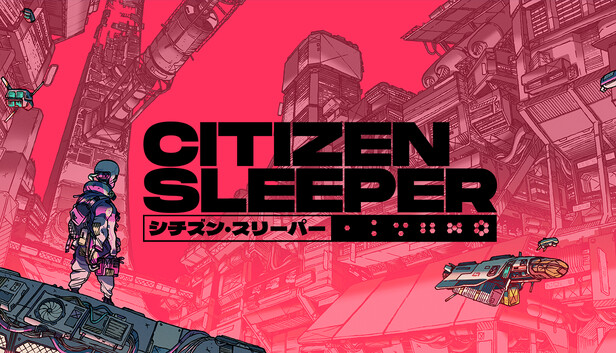
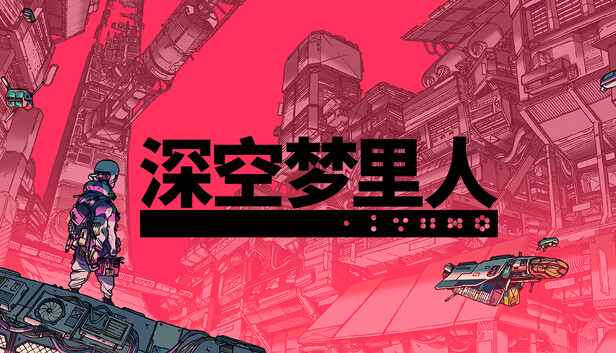
Citizen Sleeper works because it turns dice-based survival into a decision game built on sustained pressure. Your usable actions each day are limited, while bodily decay, debt pursuit, relationships, and resource gathering all pull against one another. The result is constant trade-offs between surviving the short term and trying to rebuild your future. It does not rely on combat to carry momentum. Instead, it uses dense writing, clear numerical feedback, and multiple character questlines to make its space station feel like a marginal society you can actually inhabit.
12. Elin #
 Steam¥2,980Ver precio →
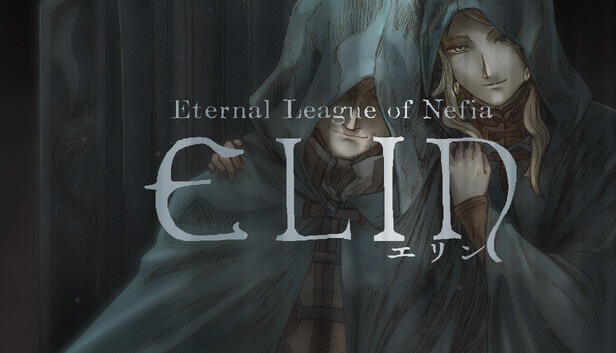
Elin is at its best not because it lets you do many things, but because it binds survival, management, exploration, and character growth into a system where each part affects the others. You can dive into dungeons, run trade routes, farm, and build a base, but you also have to handle resource loops, risk-reward trade-offs, and long-term development paths. Compared with similar games that often feel scattered, Elin offers denser sandbox feedback and randomness with more strategic value. The longer you stay with it, the easier it is to sink in and keep optimizing your own world.
Across these 12 indie RPGs, the ones most worth prioritizing are not defined by novelty of setting. Their shared strength is that the systems, content, and feedback loops are all sturdy enough to last. Whether your preference is farming survival, narrative adventure, or hard-edged strategy, this ranking favors the games with the strongest overall quality.






Comentarios 0
Nos interesa tu opinión
Participa en la conversación y comparte tu opinión sobre este juego.
Aún no hay comentarios. Comparte tu opinión.