




















Opening
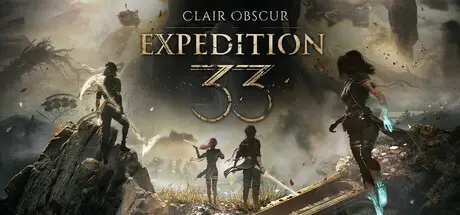
Clair Obscur: Expedition 33 is a single-player turn-based RPG with real-time parries, it nails the rare trick of making menu combat feel dangerous, and yeah — if you can handle the timing, it’s absolutely worth your time.
Here’s the thing: this isn’t just “pick attack, watch animation, repeat.” Sandfall Interactive takes that classic turn-based rhythm and bolts action-game pressure onto it. You’re reading enemy tells, trying to parry, trying not to panic, and when the punish lands, it feels filthy in the best way.
And then the game wraps all of that in this Belle Époque France-inspired nightmare painting, with Lorien Testard and Alice Duport-Percier’s music doing serious damage in the background.
The whole thing has this tragic, beautiful, slightly doomed energy from minute one. It looks elegant, but it does not play nice.
If you want a chill RPG where you coast through menus while half-watching something else, this might drive you up the wall. But if you like heavy stories, gorgeous worlds, and combat that actually asks you to lock in, Expedition 33 is one of 2025’s big ones. Metacritic has it at 91, Steam is sitting at 95% positive, and honestly, I get it.
Story | 9.2/10
劇情: 9.2/10The Number 33 Makes the Whole World Feel Like a Countdown

Here’s the hook, and it’s a nasty one: in Lumiere, death has a schedule. Every cycle, the Paintress marks a number on the Monolith, and everyone that age gets erased by the Gommage. Not killed in some normal RPG-war way. Erased. Gone. This year, the number is 33. So Expedition 33 isn’t a grand heroic field trip. It’s basically a doomed, one-way mission led by Gustave, with people who know they’ve got one year left if nobody stops her.
That setup does so much heavy lifting because it gives the story a ticking clock without needing constant exposition dumps. You understand the fear immediately. You understand why these people would march into the impossible. And you understand why the game’s beauty feels wrong in the best way. Sandfall Interactive wraps all this grief in Belle Époque France-inspired oil-painting scenery, so you’re walking through a world that looks gorgeous while the premise keeps whispering, “Yeah, but everyone here is waiting to disappear.”
For me, that’s where Clair Obscur hits harder than something like Persona 5 Royal. Persona’s urban youth drama and presentation are incredible, no argument. But it’s still working inside a cleaner, more stylish command-RPG fantasy. Expedition 33 is messier, sadder, and more adult in the way it uses fantasy as a pressure cooker. The main story isn’t just “go beat the villain.” It starts there, sure, but the deeper you get, the more the game keeps pulling the floor out from under you.
The Midgame Twists Work Because They Hurt, Not Because They’re Clever

The best thing about the story is that it doesn’t treat twists like party tricks. Around the middle, the perspective starts shifting. Truths you thought were locked in start bending. The canvas, the doubles, the family trauma behind all of this — that’s where the game stops being only about saving a city and starts becoming something much more intimate and much more uncomfortable.
That’s also where the key characters start to matter beyond their roles in the party. Gustave gives the expedition its doomed dignity. Maelle and Verso become the emotional fault line the ending eventually splits open. And the writing from Jennifer Svedberg-Yen and Guillaume Broche understands that tragedy works better when everyone has a reason, not when one side is just obviously foolish or evil. You can disagree with characters here, but you usually get why they’re clinging to what they’re clinging to.
Now, I do think some of the criticism about the late-story pacing is fair. A minority of critics have said the back half can feel like it’s losing control, and yeah, I can see that. The game stacks revelations fast, and depending on your tolerance for dream-logic fantasy storytelling, that can either feel intoxicating or a little messy. For me, the emotional throughline holds. But if you need every reveal to land with perfect clean-room precision, this is where the story may wobble for you.
The Ending Choice Is Brutal Because Neither Answer Fixes Everything

The ending comes down to a choice between Maelle protecting the canvas and Verso destroying it, and I love that the game doesn’t hand you the comfortable “true good ending” escape hatch. This is not a morality quiz where one option glows gold and the other is for edgy players. It’s a tragic split between two wounded answers to an impossible problem. One protects something precious. One tears it down to end the pain. Neither one lets you walk away clean.
That matters because choice in this story isn’t about branching into twenty wildly different campaigns. This is still a roughly 30-hour, single-player RPG, not some endless replay machine. The choice system is concentrated, and honestly, that’s the right call. The final decision lands because the game has spent hours making you sit with loss, denial, memory, and the ugly little ways people try to survive grief.
The side material works best when you treat it the same way: not as a checklist competing with live-service bloat, but as extra texture around a doomed expedition. If you’re here for dense character mood, strange beauty, and emotional fallout, it feeds the main journey. If you’re looking for endless branching questlines, no, that’s not really the pitch. The story’s strength is focus. It knows the knife it wants to twist.
A 9.2 Story, Even With the Late-Game Wobble

For the story side of Clair Obscur: Expedition 33, I’m at a 9.2 out of 10. Not because every beat is perfectly paced. It isn’t. But because the game has an identity most RPGs would kill for: real-time tension in the combat, a painted French fantasy nightmare in the visuals, and a tragic narrative where the big questions don’t have tidy answers.
And when you stack that against the wider reception, the praise makes sense. This is sitting at 91 on Metacritic, 92.1 from OpenCritic Top Critics with a 97.5% recommendation rate, and 95% positive on Steam from 175,870 reviews. Those numbers don’t automatically make a story great, but they do tell you the emotional swing connected with a lot of people.
If you want cozy menu-clicking and a story that pats you on the head, this might frustrate you. If you’re willing to meet it halfway — to accept the real-time pressure, the grief, the ambiguity, and the fact that some answers just hurt — Expedition 33 delivers one of the most memorable RPG stories in years.
Audio | 9.5/10
音效: 9.5/10Lorien Testard’s 154-Track Score Does Half the Storytelling Before Anyone Speaks

Honestly, the music in Clair Obscur: Expedition 33 is not background dressing. It’s one of the main reasons the game hits as hard as it does. Lorien Testard built a 154-track soundtrack over five years, with around thirty musicians and a nine-person choir, and yeah, you can feel that scale. Not in a “look how expensive this sounds” way. More like every major emotional turn has already been planted in your ear before the script lands the punch.
The range is wild, too. One minute it’s leaning into classical opera, the next it’s pushing into metal and rock, and somehow it doesn’t feel like a playlist got shuffled by accident. The trick is the recurring motifs. Themes come back, bend, darken, soften, or get swallowed by bigger arrangements as the story gets worse for everyone involved. That matters in a game about marching toward death, grief, and choices with no clean answer. The score keeps reminding you that beauty and doom are basically holding hands here.
And Alice Duport-Percier’s French vocals? That’s the sound I’ll remember years from now. They give the whole thing this ghostly, human texture that fits the Belle Époque oil-painting look perfectly. Some reviews have gone as far as giving the audio a 10 out of 10 and calling it one of gaming’s best soundtracks, and look, I’m usually allergic to that kind of hype. But here? I get it. The music doesn’t just support the tragedy. It teaches you how to feel it.
The Combat Sounds Like Turn-Based RPGs Finally Got a Pulse

Here’s where it gets good: the audio isn’t only pretty. It’s useful. Clair Obscur’s whole combat identity is built around turn-based decisions getting interrupted by real-time parries, dodges, and Gradient Counters, so the sound design has to carry pressure. If those cues were mushy, the whole system would fall apart. But the hits, blocks, enemy wind-ups, and counterattacks have enough bite that you start listening with your thumbs. That’s exactly what this game needs.
The battle music also knows when to get out of the way and when to punch you in the chest. During big fights, the rhythm locks into the read-parry-punish loop, so landing a perfect response doesn’t just feel mechanically satisfying. It sounds earned. And when the game reaches its decisive moments, melodies get rewritten into heavier choral versions, turning familiar themes into something bigger, colder, and more final. That’s a smart move. It makes the finale feel like the score has been walking beside you the whole time, then suddenly steps in front of you.
The catch is, this also makes the game less chill than some turn-based fans may want. If you’re here to casually click menus and coast, the audio is basically telling you, “Nope, pay attention.” Parries have a steep floor, and the sound cues are part of that learning curve. But for me, that tension is the point. Compared with Persona 5 Royal, which is cleaner and more traditional as a command RPG, Expedition 33 sounds more dangerous moment to moment. It has nerves.
The Performances And World Audio Sell The Painting As A Place
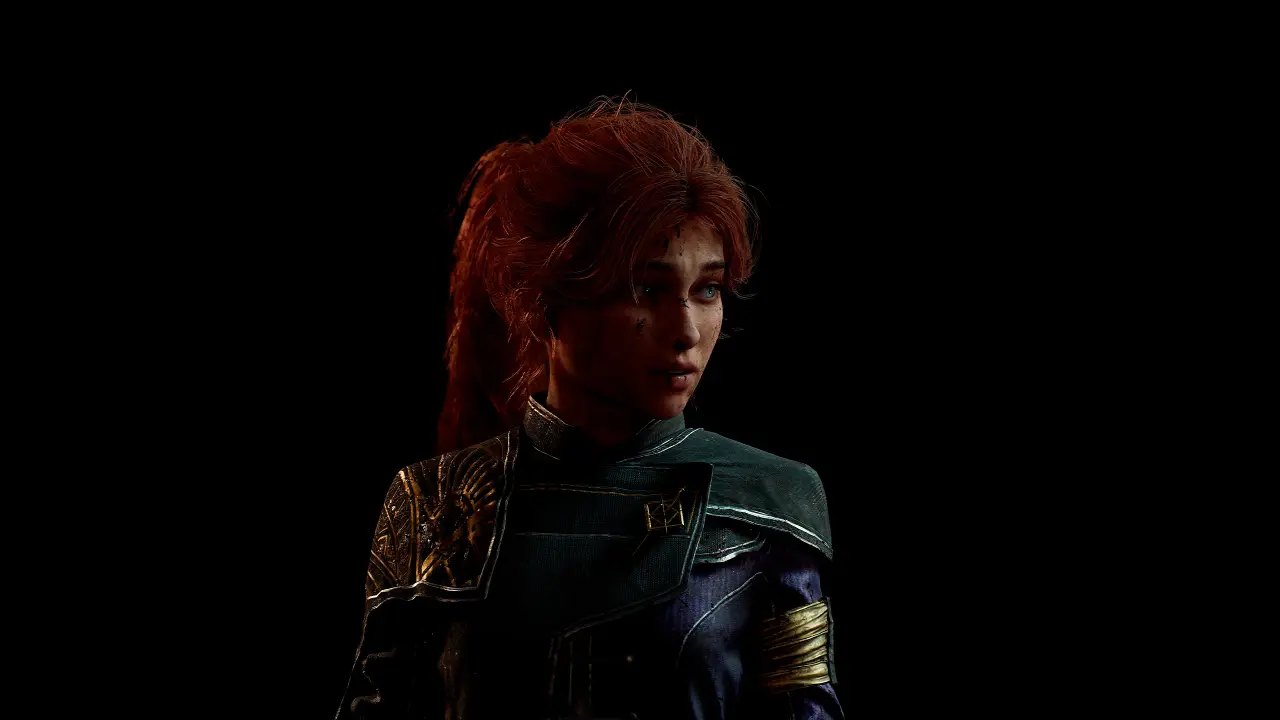
The voice work has to do a lot of heavy lifting here, because this is not a goofy adventure where everyone gets a clean emotional lane. Jennifer Svedberg-Yen and Guillaume Broche’s writing is built around loss, denial, sacrifice, and that nasty feeling when both options are wrong. The performances understand that. The stronger scenes don’t sound like actors announcing lore. They sound like people trying to stay composed while the world keeps taking pieces out of them.
That restraint matters. In a game this visually theatrical, with its Belle Époque France inspiration and oil-painting fantasy world, the acting could’ve tipped into melodrama fast. Instead, the delivery mostly lets the sadness breathe. You get pauses, fatigue, anger that doesn’t always explode, and quiet lines that land harder because nobody is begging you to cry. That’s the right call for a tragic single-player RPG. The story already has enough weight. The cast doesn’t need to underline every sentence in red.
The environmental audio helps sell the same illusion. Expedition 33 looks like a moving painting, but the sound keeps it from feeling like a museum piece. Spaces have air. Encounters have texture. UI actions, magical attacks, creature noises, and traversal sounds all sit inside that dreamlike world without breaking it. It’s not the loudest soundscape ever made, and it doesn’t need to be. The win is cohesion. Music, voices, and effects all push toward the same mood: beautiful, doomed, and just a little too sharp to relax into. That’s why the audio side of this game feels essential, not optional.
Visuals | 9.0/10
畫面: 9/10Lumière Looks Like Someone Dragged an Oil Painting Into Unreal Engine 5
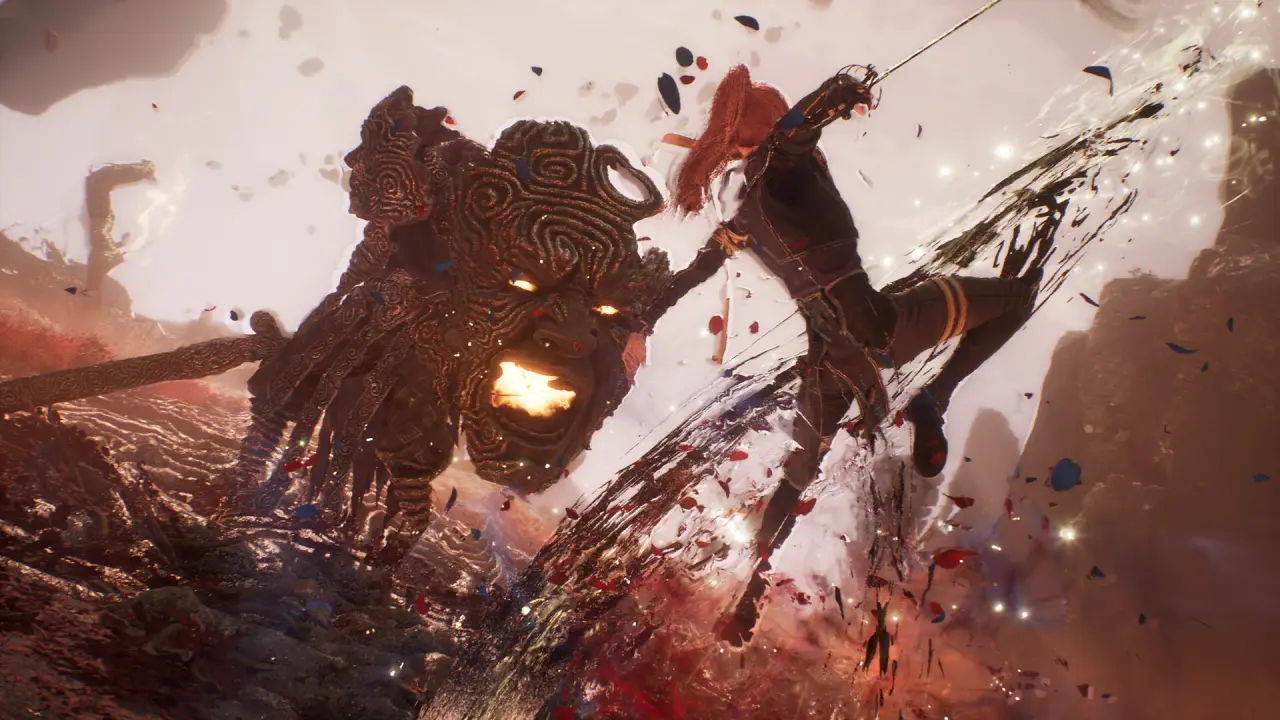
Look, the easy line here is “this game is pretty.” And yeah, obviously. But that undersells why Clair Obscur: Expedition 33 hits so hard visually. Sandfall Interactive built this in Unreal Engine 5, and the whole thing has this thick, brushed, oil-painting look that makes screenshots feel staged instead of captured. It’s not chasing plain realism. It’s going for mood. Texture. That slightly unreal glow where every street, cliff, ruin, and battlefield feels like it was composed before you walked into it.
The Belle Époque France influence is doing a ton of work. The architecture, the clothing, the golds, blues, creams, and deep reds — it all gives the game an identity you can spot in half a second. That matters. A lot of RPGs look expensive. Fewer look unmistakable. Lumière especially has that dreamlike, doomed-city beauty where you want to stop moving just to take in the shape of a balcony or the way light cuts across stone.
And yeah, this is why the Chinese community keeps circling around words like “beautiful,” “atmosphere,” and “immersion.” That tracks. You don’t need the same cultural background to get what this art direction is doing. It sells tragedy before anyone opens their mouth.
Esquie Turns the World Map Into the Game’s Best Visual Payoff

Here’s where the graphics do more than just look nice: the world keeps unfolding. The dreamlike areas aren’t just pretty backdrops between fights. They feel like places pulled out of grief, memory, myth, and fever. That sounds dramatic, but honestly, that’s the vibe. Expedition 33 is about chasing the Paintress before she can paint death again, and the environments understand that premise. They don’t look safe. They look magical, sad, and slightly wrong.
Esquie is a big part of why exploration works visually. The creature itself has this storybook weirdness that fits the world without feeling like random mascot design, and as the world map opens up layer by layer, the game keeps finding new ways to surprise you. It has that old-school RPG joy of seeing something strange on the horizon and thinking, “Wait, can I actually go there?” Then the answer becomes yes, and the view earns it.
Compared to Persona 5 Royal, which has flawless urban style and razor-sharp presentation, Clair Obscur wins a different fight. Persona looks designed. This looks haunted. For this particular kind of adult tragedy, that gives it more visual weight.
The Tech Is Strong, but the Art Direction Is the Real Flex

I’m giving the graphics a 9 out of 10, but not because I’m counting rendering buzzwords like a checklist. Yes, it’s an Unreal Engine 5 game, and on PC it has the kind of modern image quality you expect from a 2025 release sitting at a 91 on Metacritic and a 95% Steam rating from 175,870 reviews. But the reason it sticks isn’t “look, shiny tech.” It’s that the tech serves the painting. The lighting, staging, materials, and camera work all push the same idea: this world should feel gorgeous and doomed at the exact same time.
On platform differences, the honest take is simple: this is clearly a game that benefits from stronger hardware, especially if you care about clean image quality, dense scenery, and those big scenic reveals. The PC version is the one with the public Steam numbers and PC Metacritic score, so that’s the version I’m comfortable judging from. If you’re playing elsewhere, expect the core art direction to carry the experience, but don’t pretend every version will show the same sharpness or performance ceiling.
The UI also deserves credit for staying out of the painting’s way. It’s readable, stylish, and it doesn’t smother the screen with junk. In a game this visually rich, that restraint matters.
Combat | 9.0/10
玩法: 9/10The Turn-Based Part Is Familiar, Until the Game Makes You Earn Every Breath
The basic pitch sounds simple: this is a turn-based RPG. You pick skills, spend AP, build your party, watch enemy patterns, and try not to get folded. But Clair Obscur: Expedition 33 is not the kind of turn-based game where you can lean back, sip a drink, and lazily click the biggest number on the menu. The game keeps your hands involved.
Every enemy turn is a little test. Dodge too early, parry too late, misread the wind-up, and suddenly your perfect plan is bleeding out on the floor.
And that’s the hook. Sandfall Interactive welds real-time defensive timing right into the turn-based structure. Parries don’t just save you from damage. They feed the system. Nail them and you can get AP back. Nail enough of them and you turn defense into offense, because clean parries can trigger counter chains. So the fight stops being “my turn, your turn.” It becomes this push-and-pull where the enemy’s attack is also your chance to build momentum.
That AP economy is what makes the combat sing. If you play messy, you’re scraping together resources and praying your next turn is enough. If you play sharp, the whole thing snowballs. You defend better, you get more AP, you fire off stronger skills, you build into bigger damage windows, and suddenly you feel like you’re conducting the fight instead of surviving it. It has that Persona-like energy in how stylish and snappy it feels, but it’s way more demanding on your hands.
The catch is obvious: if you hate action timing, this will annoy you. Not “mildly inconvenience” you. Annoy you. Pure menu-only players who want a relaxed RPG stroll may bounce off this hard, because the skill floor is real. This is still a single-player, third-person fantasy RPG, but the defensive rhythm asks for patience in a way that’s closer to a parry-heavy action game than a traditional command battler.
Gradient Counters Turn Panic Moments Into “Oh, I’ve Got You” Moments
The coolest mechanic here is the Gradient Counter, because it understands something a lot of RPG combat forgets: big danger should feel like a big opportunity. When the screen darkens and the game signals one of those nastier incoming attacks, your brain does that tiny panic spike. You know something ugly is coming. But if you read it, time it, and answer correctly, that threat flips into a burst window. That’s the good stuff. That’s the moment where the whole combat system clicks.
This is why the Sekiro comparison makes sense, even though this is clearly not Sekiro. It’s not about copying the genre. It’s about the pressure. Expedition 33 wants you to stare down an attack instead of hiding from it. You’re not just waiting for the enemy turn to end. You’re watching shoulders, delays, fake-outs, rhythm changes, and animation tells. The game says, “Okay, you want the big reward? Then don’t blink.”
And honestly, that tension is what separates it from Persona 5 Royal in the gameplay conversation. Persona 5 Royal is still immaculate when it comes to pace, style, menus, and turn-based flow. No argument there. But Persona stays fully command-driven. Expedition 33 adds this layer of real-time danger that makes every enemy action feel personal. You’re not just optimizing a spreadsheet. You’re proving you can read the fight.
That also means the difficulty curve has teeth. Early on, you can get by with decent timing and basic builds. Later, the game expects more. You need to understand when to dodge, when to parry, when to cash out AP, and when to hold resources for a better window. If you’re willing to learn, it’s thrilling. If you’re impatient, it’s going to feel like the game keeps slapping your hand away from the menu.
Pictos And Lumina Let You Break The Game, Sometimes Too Hard
The buildcraft is the other half of why Expedition 33’s combat works so well. Pictos are your gear layer, but the real madness comes from Lumina passives, because those effects can cross over between characters. That means you’re not just making one character slightly better at one job. You’re stitching together party-wide synergies, stacking passives, chasing weird loops, and finding ways to make your favorite character do something completely broken.
This is where the game gives tinkerers a ridiculous amount to chew on. You can build around AP generation. You can build around counterplay. You can build around burst turns. You can create setups where a clean defensive sequence feeds straight into a huge offensive payoff. And because the combat already rewards precision, the best builds don’t feel passive. They feel like you earned the right to become unfair.
But here’s the blunt part: the late-game balance can crack. Not bend. Crack. Once you really understand the system, some builds get so overtuned that bosses can evaporate. There are setups that can one-shot the final boss in the first round, and that’s funny, but it’s also a problem. Then the post-game swings the other way and spikes hard, like the game suddenly remembers it handed you an overpowered superweapon and starts throwing walls at you.
So no, the balance isn’t perfect. And for a roughly 30-hour single-player campaign, this also isn’t a live-service treadmill you’ll grind forever. But I’d rather have a combat system with too many sharp edges than one that’s clean, safe, and forgettable. Expedition 33’s fights have identity. They have nerves. They have that “one more attempt” pull, because when you lose, you usually know exactly what you mistimed or what part of your build isn’t working.
For gameplay, I’m at a 9 out of 10. Not because it’s flawless. It’s not. The parry timing will push some players away, and the late-game numbers can absolutely go off the rails. But when it works, this is one of the freshest RPG battle systems in years: turn-based strategy with action-game tension, gorgeous Belle Époque oil-painting presentation, and enough build freedom to keep your brain busy long after the fight ends.
Content | 6.5/10
內容: 6.5/10Thirty Hours Is Plenty, But Don’t Expect This To Become Your Second Job
Clair Obscur: Expedition 33 is built like a proper single-player RPG, not a forever-game wearing RPG clothes. And honestly, I respect that. The main campaign sits around that roughly 30-hour mark, and for a story this heavy, that feels about right. You’re not being dragged through filler continents just so the back of the box can brag about playtime. You’re leading Expedition 33 toward the Paintress, the game keeps its eyes on that tragedy, and the pacing mostly benefits from being focused.
The catch is, if you’re judging value by “how many months can I grind this,” this is where the 6.5 out of 10 starts to make sense. This isn’t Persona 5 Royal in terms of sheer sprawl, and it definitely isn’t a live-service ecosystem. Persona 5 Royal gives you that giant urban routine machine: school days, confidants, palaces, side activities, the whole lifestyle loop. Expedition 33 is tighter. More intense, more emotionally concentrated, but also less able to keep feeding you after the credits roll.
That said, I’d rather have a 30-hour game that actually lands than a 70-hour game that starts begging me to care. Expedition 33 feels complete as a narrative single-player package. You get the Belle Époque-inspired world, the turn-based battles with real-time parries, the big tragic swings, and that two-choice ending that doesn’t let anyone walk away clean. It’s not endless, but it doesn’t feel chopped up either. It feels authored. It has a beginning, a climb, and a hard emotional stop.
The Optional Stuff Is Real, But The Post-Game Bites Back
There is extra meat here if you want it. Hidden Pictos matter because builds in this game aren’t just stat padding; they feed into Lumina passives and cross-character experimentation, which is one of the best reasons to keep poking around after the main path. Esquie unlocks also give exploration more purpose, so full-clearing isn’t just you vacuuming up map icons while your brain shuts off. If the combat clicks for you, chasing those extra tools can absolutely stretch the runtime in a satisfying way.
But here’s where I’m going to be blunt: the post-game difficulty spike is not subtle. This game already asks more from you than a normal command-based RPG because parries and timing are part of the deal. After the story, that demand gets sharper. If you love the read-parry-punish loop, great, this is where you prove it. If you were barely surviving the timing windows during the campaign, the optional endgame can feel less like a victory lap and more like the game asking, “So, did you actually learn this?”
The balance also gets weird late. A maxed build can reportedly one-shot the final boss, while the post-game can turn around and slap you with brutal spikes. That’s not elegant tuning. It makes the long-tail content feel exciting when you’re optimizing, but uneven when you’re just trying to see everything. So yes, there’s meaningful optional content here. But it’s not casual comfort food. It’s for players who enjoy tinkering with builds and don’t mind being punished for sloppy timing.
The DLC And Achievements Add Shape, Not A Whole New Life
On Steam, Clair Obscur: Expedition 33 has 4 DLC items listed along with a deluxe edition upgrade, plus 55 achievements. That gives completionists something to chew on, and I do think the achievement list helps frame the game as more than a one-and-done sprint. If you’re the kind of player who wants to squeeze every hidden Picto, clean up exploration, and push builds until they break, there’s a decent amount to chase.
But don’t mistake that for a massive content pipeline. The DLC situation adds value around the package; it doesn’t transform Expedition 33 into some long-running hobby platform. And that’s fine, because this game’s strengths aren’t really seasonal updates or endless progression bars. Its strengths are mood, combat tension, music, and story. Lorien Testard’s soundtrack alone gives the whole thing an identity most RPGs would kill for, and the world is memorable because it’s so visually specific, not because it keeps expanding forever.
So the long-tail verdict is pretty simple. If you want a complete single-player RPG with optional cleanup, buildcraft, achievements, and a tougher post-game, Expedition 33 delivers. If you want something you’ll still be logging into every week six months from now, no, that’s not what this is. Its replay value comes from new builds, full-clearing, and revisiting a brutal story with fresh eyes. That’s valuable, but limited. And for this content dimension, that lands it in good-but-not-great territory.






留言 0
歡迎發表遊戲評價
歡迎參與討論,分享對這款遊戲的評價。
暫無留言,歡迎分享對本篇評測的看法。