Post-apocalyptic wasteland settings haven’t been in short supply these past two years, but what really makes me willing to camp out for a day-one launch isn’t just a world bleak enough—it’s whether the gameplay and systems can make “staying alive” feel genuinely stressful, and “stepping into it” genuinely compelling. This list looks only at upcoming or recently releasing new titles, ranked by my personal level of anticipation: some have teams with rock-solid track records, some have already shown off their pacing and game feel through a Demo, and others have seen community buzz steadily heating up, clearly showing breakout-hit potential. Whether you prefer ruin exploration, survival pressure, sci-fi collapse, or stronger action feedback, every game here is worth adding to your wishlist first.
There has been no shortage of post-apocalyptic wasteland games over the past two years, but what actually makes me willing to camp out for a launch day release isn’t just whether the setting is bleak enough. It’s whether the gameplay and systems can make “surviving” feel stressful, and make “venturing into it” feel compelling. This list only covers upcoming or recently released new titles, ranked by my personal hype level: some have teams with seriously strong track records, some have already shown off their pacing and feel through demos, and some have seen community buzz steadily heating up, with obvious breakout potential. Whether you prefer ruin exploration, survival pressure, sci-fi collapse, or stronger action feedback, every game here is worth adding to your wishlist first.
Image: Death Stranding 2: On the Beach
Tags: Action, Adventure, 2, 22, 23
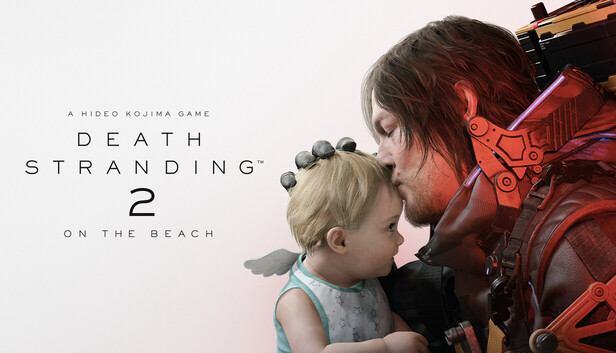
If most wasteland games are really selling “fight monsters and survive,” what makes DEATH STRANDING 2 rarer is that it continues to treat delivery, terrain-based strategy, and asynchronous online interaction as the core driving forces. Its apocalypse isn’t just desolation for desolation’s sake, but a world cut apart by the environment and reshaped through reconnection. The first game already proved that route planning on foot, vehicle logistics, and shared infrastructure could create a uniquely compelling rhythm; as long as the sequel pushes combat, stealth, and mission structure one layer further, that immersive feeling of “rebuilding order” still has no real substitute.
Epic Game Store$48.99-30%Steam $48.99Zobacz cenę →
Image: Resident Evil: Requiem
Tags: Action, Adventure, 2, 22, 29
If resource scarcity is the usual hallmark of wasteland fiction, Resident Evil Requiem is better at creating the spatial pressure that comes after order has completely collapsed. The series has always been reliable in how it balances exploration, puzzle-solving, and combat encounters, and what makes this one especially exciting is whether it can rein in its high-end spectacle and return to a survival rhythm where every step costs blood. More than pure action cleanup, I’m betting on it using enclosed spaces, limited supplies, and enemy-player tension to make the fear of a broken world feel solid again.
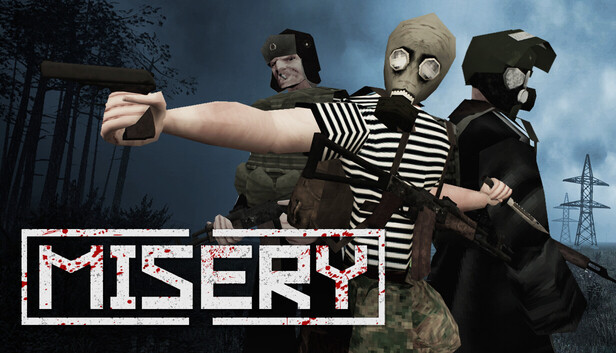
Image: MISERY: Surviving at the Nuclear Core
Tags: Action, Adventure, Indie, Massively Multiplayer Online, Simulation
If what you want isn’t just another monster-fighting gathering game wearing a wasteland skin, MISERY is worth watching. It turns the threat of a nuclear disaster zone into the core of its online survival loop: when you head out scavenging, you have to juggle radiation, resource scarcity, and combat risk all at once, and once you return to base, you’re forced to weigh building, defense, and gear progression. Its 1–5 player co-op isn’t just simple role division, but a system that amplifies the cost of decisions and the consequences of mistakes. What makes it appealing is how the pressure of ruin exploration and the long-term goals of base management lock tightly together.
Image: The Last Caregiver
Tags: Action, Adventure, Indie, Simulation, Early Access
Most wasteland games revolve around scavenging junk and fighting mutants, but The Last Caretaker does something rare by shifting the focus to “repairing civilization.” After rising sea levels have swallowed the surface, you aren’t a survivor, but a caretaker still carrying out its mission. Its appeal lies in how it links seafaring exploration, resource recovery, facility restoration, and the cultivation of human embryo stock into a complete loop, with a pace that leans more toward systems management than pure survival suffering. If the full release can really deliver on the mobile sea base, environmental storytelling, and mid-to-late-game progression, this could be the most distinctive wasteland release of the year.
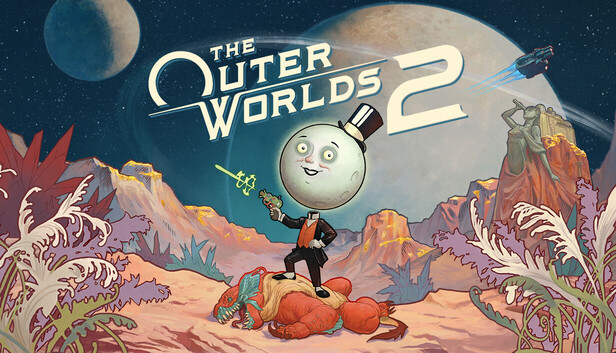
Image: The Outer Worlds 2
Tags: Action, Adventure, Role-Playing, 2, 22
If what you want isn’t a pure “scavenge to survive” style of wasteland, but a sci-fi collapse with some dark humor and satire of corporate rule, The Outer Worlds 2 is absolutely worth keeping a close eye on. Obsidian’s greatest strength is still the way it twists factions, branching quests, and dialogue options into an RPG structure that runs coherently on its own terms, making the wasteland more than just a backdrop for decay—it becomes a space that carries choice, consequence, and character-building. This kind of “systems-driven wasteland” remains rare on the market.
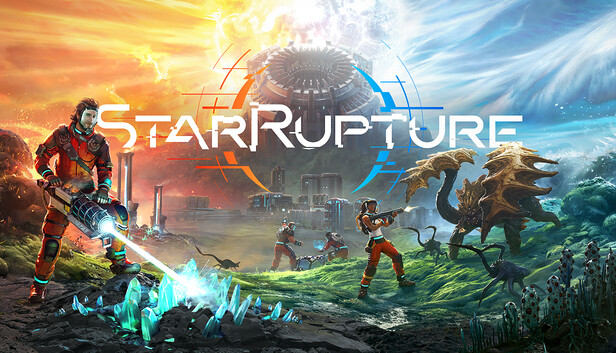
Image: StarRupture (StarRupture)
Tags: Action, Adventure, Indie, Simulation, Early Access
What makes me willing to place an early bet on StarRupture isn’t just the surface-level appeal of an “alien wasteland,” but the way it ties base management, surveying and gathering, and first-person combat into a single gameplay loop. The planet’s environment keeps changing, which means your outpost layout, resource routes, and expedition risks all have to be recalculated on the fly—it’s not just checklist-style mining. Add in the option to play solo or in four-player co-op, and it offers both survival pressure and room for large-scale advancement. It’s exactly the kind of game where, once the systems lock together, it becomes dangerously easy to get hooked.
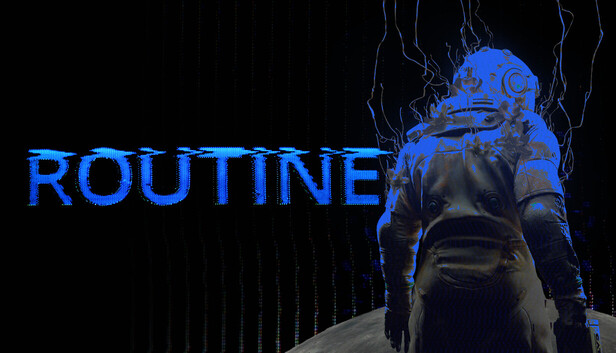
Image: Lunar Mission
Tags: Action, Adventure, Indie, 2, 22
What struck me most about Moon Mission isn’t just the “haunted moon base” premise, but how vividly it captures the feel of technological wreckage in abandoned space: 1980s-futurist interfaces, outdated equipment, and disconnected systems create a kind of space-wasteland atmosphere that’s genuinely rare. Its first-person exploration and the pressure of an unknown threat don’t focus on firepower release, but on route judgment and survival decisions made with incomplete information. If the final version can hold together its patrol mechanics, resource management, and environmental storytelling, this could be one of the more distinctive sci-fi horror titles out there.
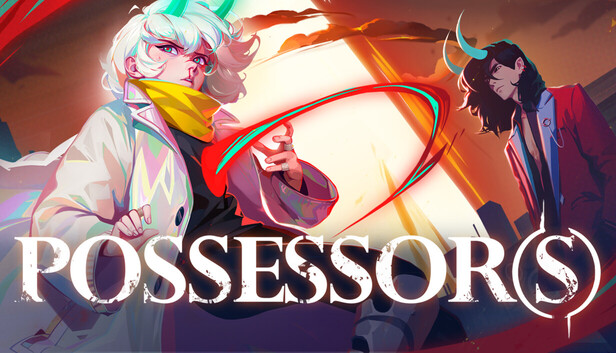
Image: Possessor
Tags: Action, Adventure, 2, 22, 23
What interests me most about Possessor(s) isn’t the post-apocalyptic setting itself, but how it turns “parasitic symbiosis” into two sides of the same coin for both combat and narrative. Its fast-paced side-scrolling offense, defense, pursuit, and movement chaining feel rooted in classic platform-action strengths, but its visual tone is clearly darker and more urban-ruin oriented. If it can really bind together the risks of exploration, the sense of losing control in character relationships, and satisfying combo feel, it could become one of the sharper, more cutting wasteland games this year.
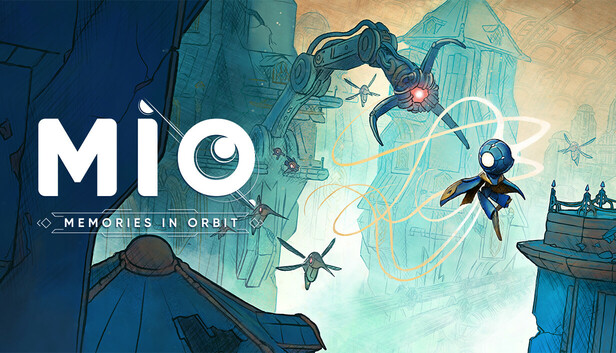
Image: MIO: Memory in Orbit
Tags: Action, Adventure, Indie, 2, 22
MIO takes the wasteland out of dusty highways and into a derelict orbital ark gone off the rails: metal chambers overtaken by plant life, silent instruments, and the remains of civilization transformed into a metroidvania labyrinth. What draws me in isn’t the sheer scale of the apocalypse, but how ability unlocks reshape routes, combat, and the rhythm of exploration. If the level loops and action feel hold up, this could become a more polished, precision-crafted kind of sci-fi ruins adventure.
Image: The Land of Ashes
Tags: Action, Adventure, Indie, Role-Playing, Early Access
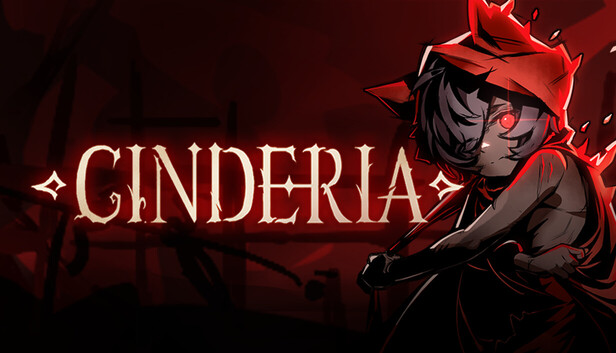
What made me mark down Cinderia early isn’t just that it’s another wasteland game, but that it directly turns “scavenging through ruins” into build-crafting fun: skills, combos, passives, and equipment can all be freely mixed and matched, making it clearly more of a high-speed action Rogue-lite built around explosive run-based loops. Unlike others in the genre that emphasize survival management, it’s betting on in-run growth and the upper limits of combat feel. As long as level density and balance hold steady, this route of going increasingly wild while fighting through a world of ashes has real dark horse potential.
Image: An Orphan Girl Trapped in a Nightmare
Tags: Action, Adventure, Indie, 2, 22
孤女困魇 feels more like a post-apocalyptic wasteland compressed into a nightmare of a girl’s escape: its otherworldly settings aren’t just passively ruined and broken, but use monsters, gunfights, and narrative fragments to constantly create the suffocating sense of being hunted. Its 90% positive rating shows that its short-form emotional pacing and shooting feedback have already landed, making it a strong pick for players who want wasteland atmosphere without having to grind through another open-world checklist.
Image: Charm Hunt
Tags: Action, Adventure, Casual, Indie, Early Access
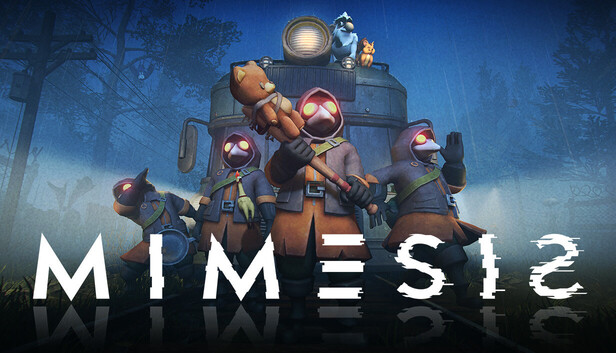
It doesn’t build its wasteland feel through sheer spectacle—the real hook is the mechanical pressure created by the fact that “your teammates may not actually be your teammates.” The cursed rain twists co-op, survival, and identity-based suspicion together, while mimics can accurately copy player behavior, turning standard actions like scavenging, extraction, and rescue into high-pressure mind games. Compared with end-of-the-world games that only emphasize resource scarcity, it makes the cost of trust into the core gameplay, which gives it strong streaming and co-op viral potential.
What most often ruins wasteland games is when nothing remains but the visual atmosphere. The ones truly worth anticipating are the games that can tie exploration, survival, combat, and narrative into a single cohesive whole. This ranking prioritizes team pedigree, demo performance, and player buzz, and the core point is simple: don’t just look at how bleak it is—look at whether it’s actually fun.
 Kinguin$55.81-40%Steam $55.81Zobacz cenę →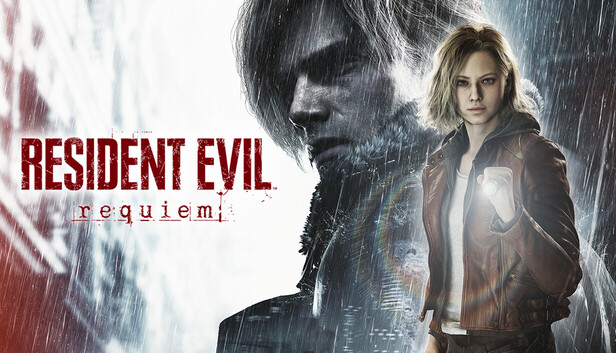
 Epic Game Store$48.99-30%Steam $48.99Zobacz cenę →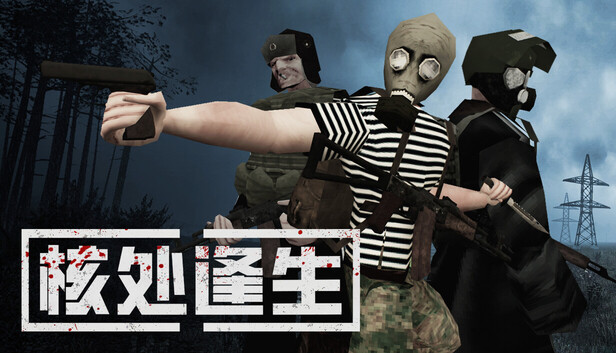
 K4G$7.27-36%Steam $7.27Zobacz cenę →
 Blizzard$69.99Steam $69.99Zobacz cenę →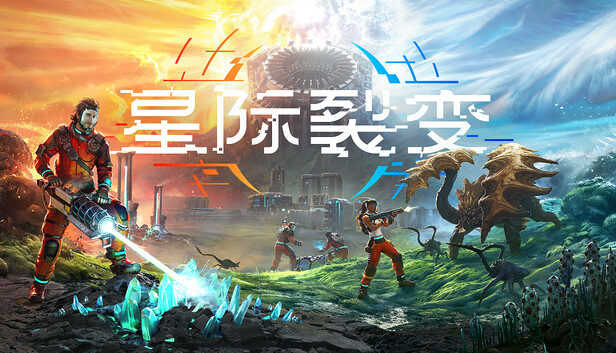

 GOG$1.49-76%Steam $1.49Zobacz cenę →





Komentarze 0
Chętnie poznamy Twoje zdanie
Witaj! Napisz, co sądzisz o tej grze — pierwsza osoba może się mile zaskoczyć.
Nie ma jeszcze komentarzy. Napisz pierwszy.